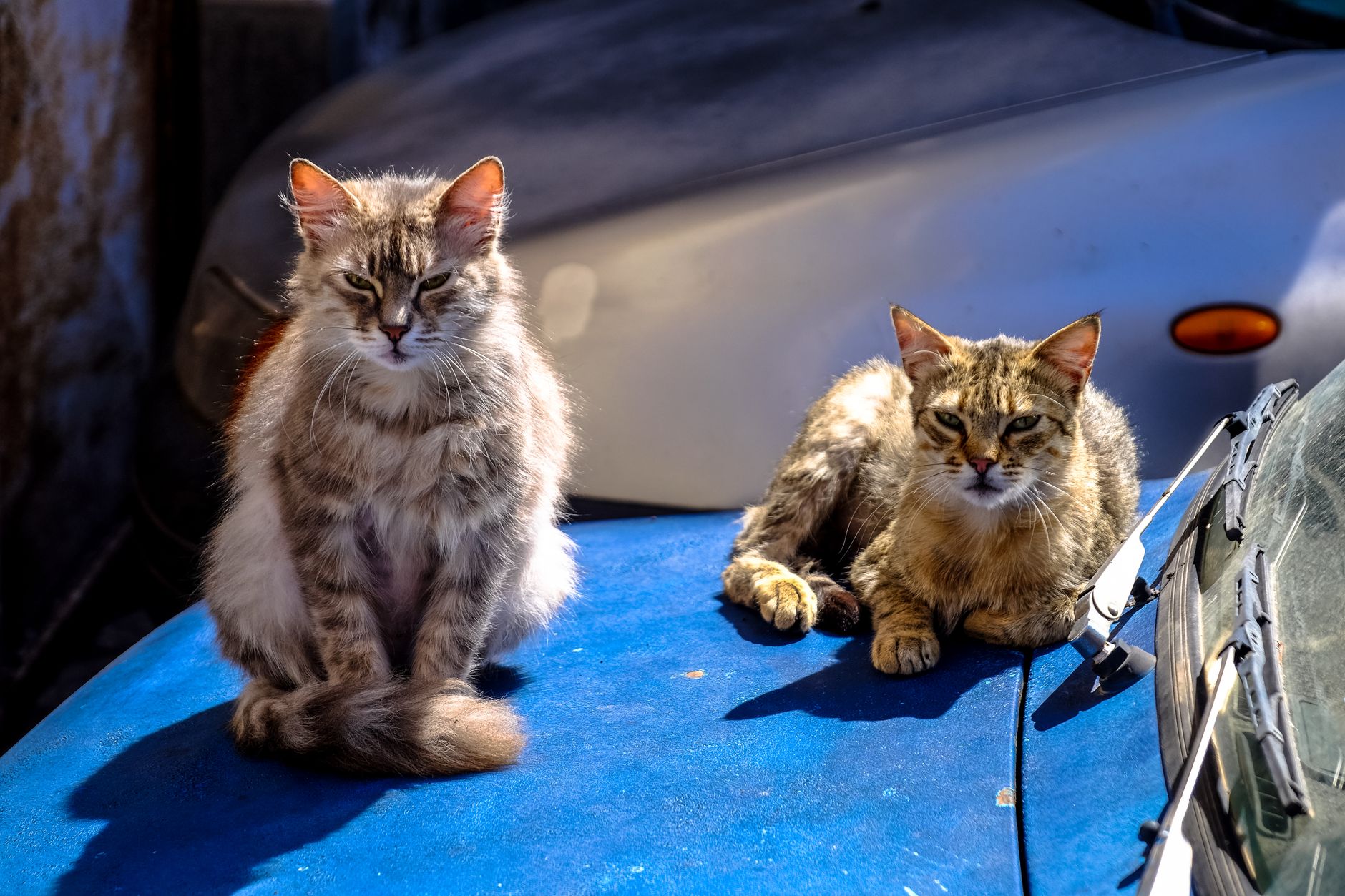
Reus collected 89 abandoned cats by July 13, 2026, but evidence does not show that they overwhelmed or disabled its feline colony program. The documented concern is that abandonment compromises CER—capture, sterilization, and return—by adding animals that require more time, resources, and coordination. The total includes adult cats, kittens, socialized animals, and cats without microchips. These cases create separate needs, from locating possible owners to arranging adoption and protecting established colonies.
Table of Contents
- What the 89-cat count actually shows
- Why new cats disrupt colony management
- What happens to an apparent newcomer
- What residents should do instead of abandoning a cat
What the 89-cat count actually shows
Reus City Council reported that it had collected 89 abandoned cats during 2026 with help from Reus Gats. The cases occurred in Montserrat, Immaculada, Aigüesverds, Camí del Roquís, central Reus, Sant Bernat Calvó, and Parc Sant Jordi. One litter was left outside a veterinary clinic, according to the council's July 13 announcement.
The figure covers only the period through July 13. Reus recorded 161 abandonments during all of 2025, so the available numbers do not establish that 2026 surpassed the previous year. They do show that abandonment remained a substantial, citywide problem. The mix of kittens, adults, socialized cats, and unidentified animals also means the cases cannot all be handled as established community cats.
Why new cats disrupt colony management
A managed feline colony is not an informal place where unwanted pets can be released. Colony work includes feeding, population records, health care, CER control, and monitoring new arrivals. Reus's Project GAT began in 2011 and recorded 1,913 sterilizations through 2023.
Mapping conducted in 2023 and 2024 identified 66 colonies containing roughly 600 cats, according to the city's local feline colony plan. Abandoned cats add cases outside the planned sterilization and monitoring cycle. Kittens may need adoption arrangements, while socialized adults may have owners or be suitable for homes. Each arrival must be assessed instead of automatically becoming part of the colony.
What happens to an apparent newcomer
Reus's plan requires newly arrived or apparently abandoned cats at feline settlements to be captured and removed from public space. The next step is to locate an owner or arrange adoption, rather than adding the animal to the colony by default. That distinction protects both the newcomer and the managed group.
A socialized cat found near a colony is not necessarily a community cat, while the absence of a microchip does not reveal how or why it arrived. Residents and colony caregivers should therefore flag unfamiliar cats promptly. Useful details include the exact location, the animal's condition, whether it approaches people, and whether kittens are present.
What residents should do instead of abandoning a cat
Spanish law prohibits abandoning cats in feline colonies. Abandonment is generally classified as a serious offense, with fines from €10,001 to €50,000 under Spain's Law 7/2023.
Anyone unable to keep a cat should pursue an owner-surrender or adoption route before the situation becomes urgent. Leaving a cat at a colony, veterinary clinic, park, or roadside transfers the risk to the animal and disrupts planned colony care.
- Contact the municipality or an animal-welfare organization for available rehoming options.
- Report an unfamiliar colony arrival rather than assuming it belongs there.
- Keep kittens with their mother when safely possible while seeking qualified guidance.
- Provide accurate information about the cat's health, behavior, identification, and ownership history.
- Never leave an animal unattended outside a clinic or colony feeding site.