
A playful cat breed is one characterized by a natural inclination toward frequent, enthusiastic interaction, active play, and social engagement with their human companions and environment. Breeds like the Bengal, Abyssinian, and Tonkinese exemplify playful temperaments, demonstrating high levels of curiosity, energy, and a desire to participate in activities with their owners. Rather than spending most of their time resting quietly, playful cat breeds actively seek stimulation, entertainment, and mental engagement throughout the day, making them ideal companions for households that can provide interactive play sessions and enrichment opportunities. This article explores what defines a playful cat breed, examines the most notably playful breeds, discusses the practical realities of living with a highly active cat, and provides guidance on selecting and managing a playful feline to ensure both enrichment and harmony in your home.
Table of Contents
- What Makes a Cat Breed Playful?
- Popular Playful Cat Breeds and Their Characteristics
- Energy Levels and Daily Play Requirements
- Selecting a Playful Breed for Your Household
- Common Challenges and Behavioral Issues
- Play Behavior Across Life Stages
- Creating an Enriching Environment for Playful Cats
- Conclusion
What Makes a Cat Breed Playful?
Playfulness in cats stems from a combination of genetic predisposition and breed-specific selective breeding that has emphasized traits like high prey drive, social confidence, and curiosity. Playful breeds typically display shorter attention spans in quiet activities but remarkable focus during interactive games, a trait inherited from their wild ancestors’ hunting behaviors. Abyssinians, for example, were originally prized for their resemblance to ancient Egyptian cats and were bred for their tireless activity levels; these cats will climb, jump, explore, and pounce throughout their environment with seemingly boundless energy.
The neurological makeup of playful breeds includes heightened responsiveness to novel stimuli and a lower threshold for activation of play behavior compared to more reserved breeds. A Bengal’s intense reaction to moving toys or laser pointers reflects its relatively recent ancestry with Asian Leopard Cats, giving it behavioral patterns that differ substantially from a British Shorthair’s more measured approach to interaction. This genetic foundation means that a playful breed’s desire to play is not merely a learned preference but an intrinsic part of their temperament and nervous system.

Popular Playful Cat Breeds and Their Characteristics
Several breeds stand out for their consistently playful nature and high energy levels. Bengals are perhaps the most visibly active, with their muscular builds, agile movements, and intense focus during play that can seem almost aggressive to the uninitiated, though it remains playful rather than truly aggressive. Abyssinians rank among the most energetic domestic cats available, described by breed enthusiasts as “cat-shaped gremlins” due to their propensity to be involved in every household activity and their near-constant movement when awake.
Tonkinese cats combine the social warmth of Siamese with the playfulness of Burmese ancestry, resulting in cats that actively solicit attention and initiate play games with their owners. However, it’s important to note that even within playful breeds, individual personality varies significantly; not every Bengal will have identical energy levels, and some Abyssinians may be less intensely active than others. Additionally, while playful breeds provide more obvious entertainment value, they also require substantially more environmental enrichment and attention than less active breeds—a mismatch between owner expectations and actual time investment is a common reason playful-breed cats end up rehomed or developing behavioral problems like excessive meowing or destructive scratching.
Energy Levels and Daily Play Requirements
Playful cat breeds typically require 45 minutes to 2 hours of active play or engagement daily, distributed across multiple sessions throughout the day to match their natural hunting and activity cycles. A Burmese cat might initiate several short play sessions on its own, pouncing on toys or chasing imaginary prey, but they genuinely benefit from scheduled interactive play where an owner uses wand toys, laser pointers, or other engaging toys to channel this energy productively. In contrast, less playful breeds like Persians or Ragdolls often appear satisfied with 15 to 30 minutes of gentle play daily, reflecting their more sedentary temperament.
The distinction matters for lifestyle compatibility. A household where everyone works long hours without enrichment structures in place will likely experience an unhappy, destructive, or vocally demanding playful-breed cat. The same household with a calm, reserved breed might find the cat contentedly resting and waiting for owners to return. Playful breeds also tend to maintain high energy levels well into adulthood and old age; while other cats may slow down significantly by age 10, Abyssinians and Bengals often remain notably active well into their senior years.

Selecting a Playful Breed for Your Household
Choosing a playful cat breed requires honest assessment of your available time, living space, and tolerance for active, sometimes noisy companions. Apartments accommodate playful cats well if enrichment is adequate, whereas a small studio where the cat cannot climb or explore will rapidly become insufficient territory. A family with children or multiple active household members often suits a playful breed better than a quiet, adult-only household seeking a low-demand companion; playful cats thrive on the unpredictability and engagement that active families provide.
Consider practical tradeoffs: Sphynx cats are playful and engaging but require weekly baths and careful temperature management due to their lack of fur. Somali cats deliver the playfulness of Abyssinians but with longer fur that demands regular grooming. Maine Coons are playful and social but reach substantial sizes, potentially overwhelming smaller living spaces. For someone working full-time without care arrangements, a less demanding breed with independent streak may provide a better match than a playful breed that will likely develop behavior problems from insufficient interaction.
Common Challenges and Behavioral Issues
Playful breeds can develop undesirable behaviors when their high energy and stimulation needs go unmet. Excessive vocalization, destructive scratching, aggressive play that injures household members, or obsessive behaviors like constant window-watching or repetitive play with small objects often emerge when a playful cat lacks adequate outlets. A Bengal with insufficient enrichment may redirect its hunting drive onto your hands and feet during petting, learning that mild scratching elicits play responses, whereas the same cat with adequate interactive toys and play sessions channels this drive appropriately.
Weight management can become a concern in the opposite direction; some playful breeds, particularly Burmese cats and their crosses, have a genetic predisposition toward weight gain if their natural activity levels decline with age or if food portions aren’t carefully controlled. Additionally, the same boldness and curiosity that makes playful cats entertaining creates safety hazards—they’re more likely to attempt escapes, investigate dangerous household items, or find their way into spaces where they become trapped. Playful breeds also adapt less readily to significant environmental changes or the loss of attention due to family schedule changes, potentially developing stress-related behavioral issues where a calmer breed might adjust more smoothly.
Play Behavior Across Life Stages
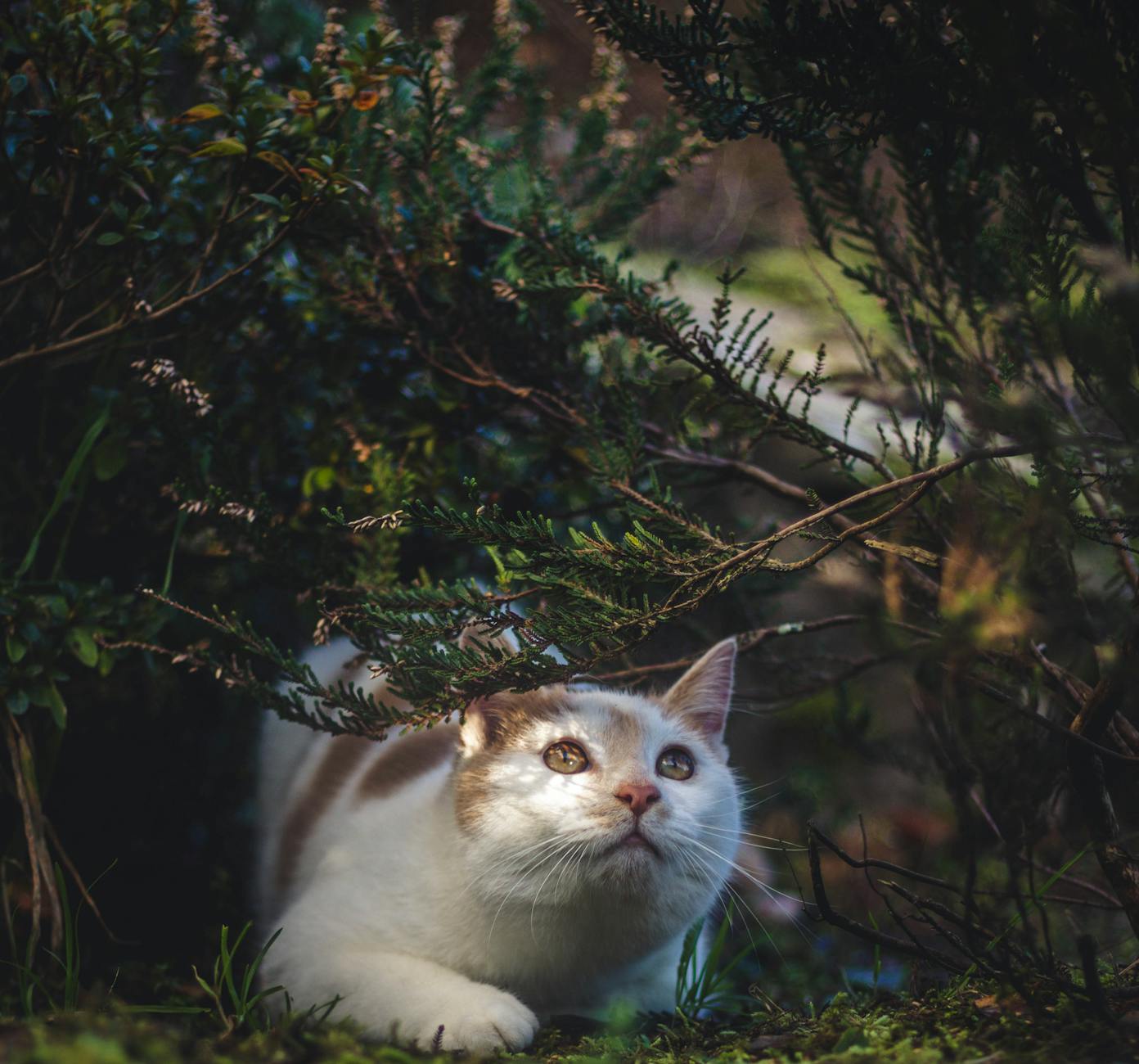
Kittens of playful breeds display explosive energy, with play sessions that last hours if encouraged and can include acrobatic feats that seem physically impossible. A young Bengal kitten might spend an entire afternoon climbing every surface in a room, pouncing on toys, and engaging in elaborate chase games with littermates or human playmates. By young adulthood (around 1-2 years), playful breeds typically reach peak energy and athleticism, often maintaining this level longer than other breeds.
Even senior cats of playful breeds frequently retain interest in interactive play, though the duration and intensity may moderate slightly. A 12-year-old Abyssinian often still initiates play sessions and responds eagerly to toys, distinguishing it markedly from senior cats of less active breeds who may show little interest in play. This extended engagement with playfulness can be both positive—providing mental and physical stimulation that supports longevity—and challenging for aging owners who may struggle to keep pace with their cat’s energy demands.
Creating an Enriching Environment for Playful Cats
The most successful homes for playful cat breeds prioritize environmental enrichment as seriously as nutrition and veterinary care. Tall cat trees with multiple levels, wall-mounted shelves for climbing and surveying territory, window perches for bird-watching, and a rotating selection of interactive toys prevent boredom and provide appropriate outlets for natural behaviors. Interactive feeding tools like puzzle feeders transform mealtime into cognitive engagement, satisfying both hunger and mental stimulation simultaneously.
Establishing interactive play routines—using wand toys, balls, or laser pointers for 10-to-15-minute sessions several times daily—provides both owner and cat with structured engagement that strengthens your relationship while channeling the cat’s energy productively. Forward-thinking approaches like leash training or building a secure catio allow playful cats safe access to outdoor stimulation while preventing escape risks. As understanding of feline enrichment continues to evolve, more cat-focused homes are adopting multi-sensory environments with vertical territory, varied textures, and regular novelty, recognizing that a truly content playful cat is one whose significant energy and curiosity are consistently engaged.
Conclusion
Playful cat breeds are defined by their natural inclination toward frequent interaction, high activity levels, and enthusiastic engagement with their environment and human companions. While their entertaining personalities and athletic abilities make them rewarding companions for the right household, they require substantially more time investment, environmental enrichment, and active engagement than less playful breeds. Selecting a playful breed without ensuring you can meet these needs often leads to behavioral problems, stress for both cat and owner, and potential rehoming situations that harm the animal.
Before selecting a playful cat breed, carefully evaluate your lifestyle, available time, living space, and genuine desire for an interactive, high-energy feline companion. If your circumstances align with the demands of breeds like Bengals, Abyssinians, Tonkinese, or Burmese cats, you’ll find these breeds provide years of entertainment, affection, and engaging companionship. Investing in proper enrichment, interactive play, and environmental stimulation from the beginning ensures that your playful cat’s natural energy becomes a source of joy rather than frustration for everyone in the household.