Kitten Care Guide Update 2026: Products, Evidence, and Safety

Use food labels, lot checks, preventive schedules, and home-safety rules to make safer kitten-care decisions in 2026.
Cat Health, Behavior and Care Guides
Cat safety, hazards, and poison prevention
Use food labels, lot checks, preventive schedules, and home-safety rules to make safer kitten-care decisions in 2026.

Learn to compare cat food labels, weigh recent nutrition evidence, and act on 2026 thiamine and H5N1 alerts.

Create a safer cat-care plan covering clean litter, veterinary visits, parasite products, poisons, bites, and scratches.

Learn how to choose cat food, plan preventive care, groom safely, and respond to raw-food or lily hazards.

A rabies-positive stray cat attacked five people and a puppy in Florida before being located deceased, highlighting risks of feeding unvaccinated outdoor cats.

Three emerging feline viruses—including a strain that killed thousands in Cyprus—are now threatening adult cats across the United States, with one crossing into human populations.
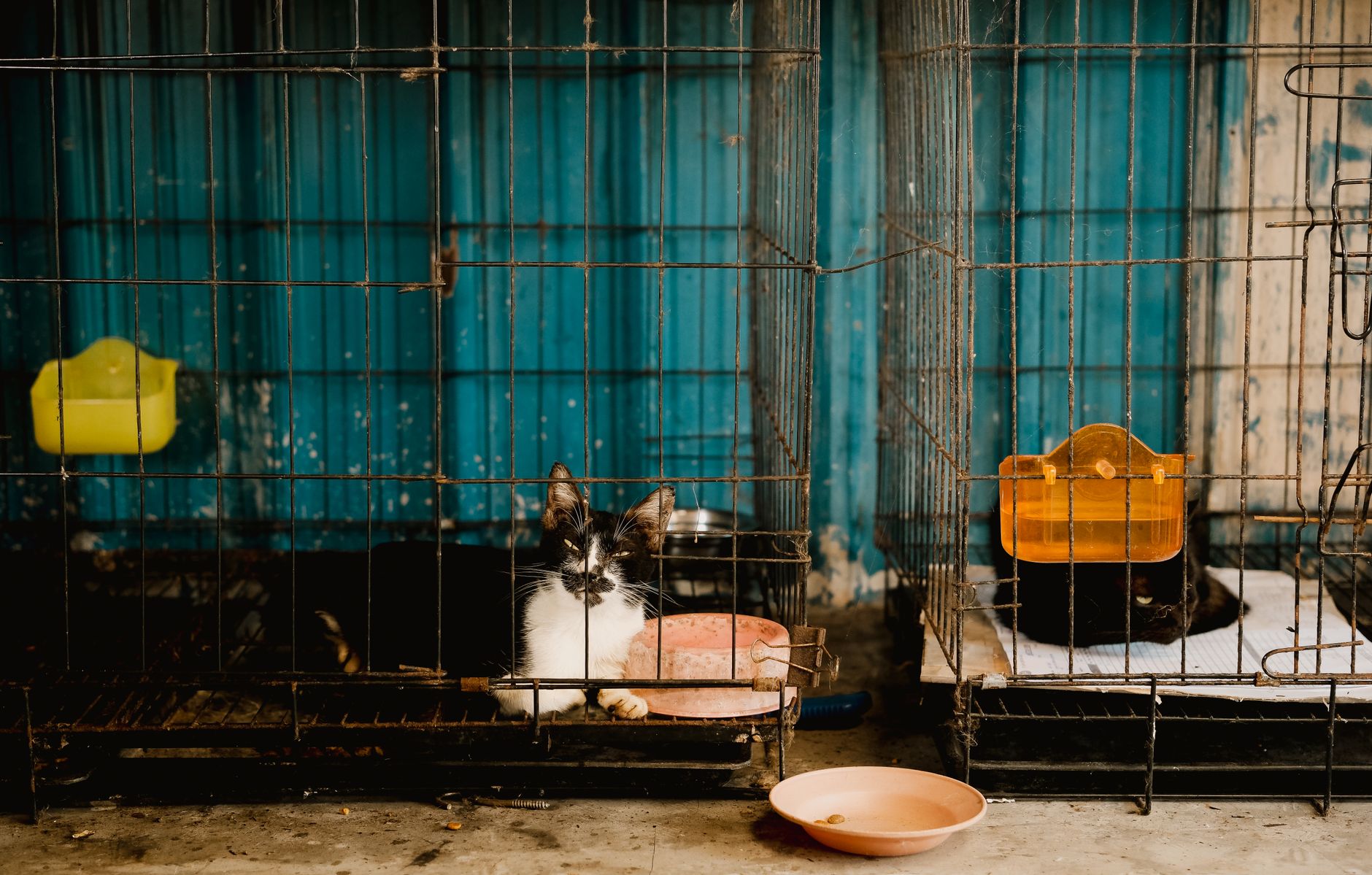
Adopted cats require health screening, home safety preparation, and close monitoring during adjustment to prevent medical emergencies and behavioral problems.

Safer kitchen habits start by replacing a rewarding high-risk perch with one your cat is encouraged to use.

Outdoor cats live dramatically shorter lives, averaging 2–5 years instead of 12–18 indoors.

Indoor cats live longer and avoid major outdoor dangers, but only if their indoor environment provides adequate enrichment, space, and veterinary care.