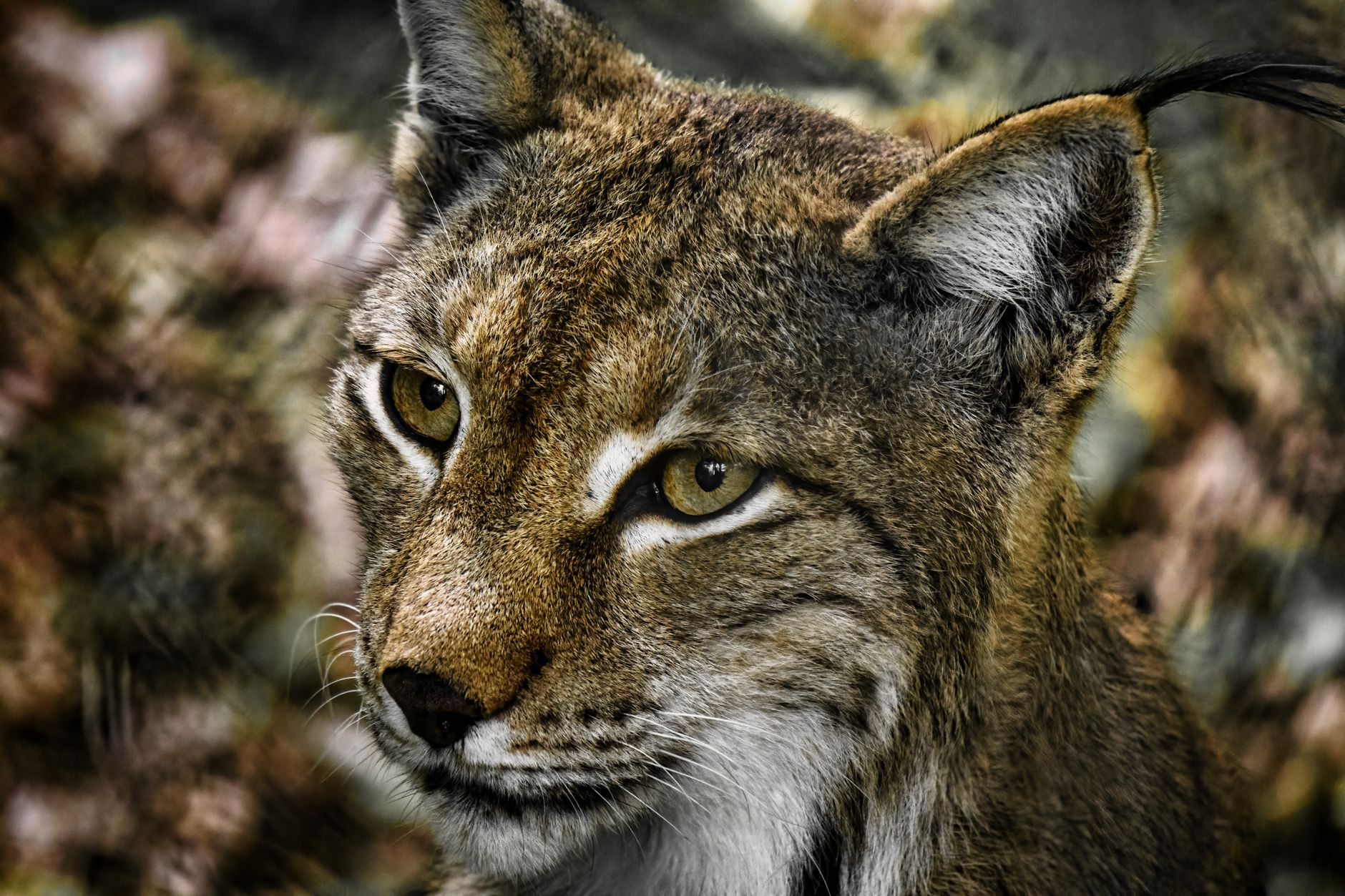
A lynx kitten currently resides at New Bedford Zoo as part of the facility’s wildlife care and conservation efforts. This young feline represents the growing commitment many accredited zoos make to endangered species preservation and education.
Lynx kittens in zoo settings typically receive specialized care adapted to their unique developmental needs, different from domestic cat kittens in significant ways that reflect their wild ancestry and behavioral requirements. Lynx species face ongoing conservation challenges across their global ranges, making facilities like the New Bedford Zoo important to breeding programs and public awareness. Young lynx in professional care settings benefit from environments designed to encourage natural behaviors while maintaining the safety and health standards required in captive settings.
Table of Contents
- What Makes Lynx Kittens Different from Domestic Cat Kittens?
- Zoo Habitat Design for Endangered Lynx Populations
- Feline Health Monitoring in Captive Young Lynx
- The Role of Accredited Zoo Programs in Lynx Conservation
- Enrichment and Behavioral Development for Lynx Kittens
- Comparing Lynx Care to Other Wild Felids in Captive Settings
- The Future of Lynx Kitten Care and Conservation Programs
- Frequently Asked Questions
What Makes Lynx Kittens Different from Domestic Cat Kittens?
Lynx kittens develop along a different timeline than domestic cats, with stronger predatory instincts and more complex behavioral needs even at young ages. Their solitary nature in the wild means they require careful socialization protocols in captive settings that differ substantially from how domestic kittens learn to interact with humans. A lynx kitten’s play behavior, while resembling domestic cat play, contains more intense stalking and pouncing elements rooted in their role as wild predators.
The physical development of a lynx kitten reflects its adaptation to harsh climates and challenging terrain. Their distinctive ear tufts, large paws, and dense fur begin developing early, providing advantages in their native environments that have no parallel in domestic cats. Caregivers at facilities housing lynx kittens must account for these developmental differences when planning enrichment activities and health monitoring.
Zoo Habitat Design for Endangered Lynx Populations
Creating appropriate habitats for lynx requires understanding their preference for dense vegetation, vertical space, and areas that allow them to exhibit stalking and climbing behaviors. Zoo environments must balance the animal‘s welfare needs with public viewing requirements and safety protocols, which often means compromising on the vast territories lynx occupy in the wild. A lynx kitten in a zoo habitat will typically have access to climbing structures, varied terrain, and hiding spaces that encourage natural behaviors—features that would cover several square miles in a wild setting but must be condensed into a manageable enclosure.
Habitat temperature control matters significantly for lynx, particularly younger animals, since their thick coats evolved for cold climates. Zoo facilities in warmer regions face the limitation that climate-controlled areas, while necessary for animal welfare, reduce the natural thermoregulatory challenges lynx experience in their native ranges. Substrate, vegetation types, and enrichment items all require careful selection based on lynx biology and behavioral research.
Feline Health Monitoring in Captive Young Lynx
Young lynx in zoo care receive regular veterinary attention that focuses on parasites, dental development, and metabolic health specific to their species. Nutritional requirements for a growing lynx kitten differ from domestic cats; their carnivorous diet demands high protein levels and specific micronutrient balances that zoo nutritionists must carefully maintain.
A kitten’s growth rate, vaccination schedule, and preventive health measures all reflect scientific understanding of lynx physiology rather than protocols designed for domestic animals. Behavioral health monitoring becomes increasingly important as lynx kittens mature, since signs of stress, improper development, or social issues emerge through subtle changes in activity patterns and interaction styles. Zoo staff monitor for both obvious illness indicators and the less visible psychological factors that affect captive wild animals’ quality of life.
The Role of Accredited Zoo Programs in Lynx Conservation
Accredited facilities participate in species survival plans and breeding programs designed to maintain genetically diverse captive populations that may serve as insurance populations should wild populations face catastrophic decline. Breeding decisions for lynx in zoos follow genetic recommendations developed through intensive data analysis across multiple institutions.
A lynx kitten born in a zoo setting often represents years of coordinated reproductive planning involving veterinarians, geneticists, and conservation biologists across multiple facilities. Educational programs centered on animals like this lynx kitten help the public understand wild felid conservation needs and the threats facing lynx populations in their natural ranges. However, captive breeding also presents the limitation that animals born in zoos develop differently from wild-born individuals and may face reintroduction challenges should that become necessary.
Enrichment and Behavioral Development for Lynx Kittens
Preventing behavioral problems in young lynx requires ongoing enrichment that engages their hunting instincts, territorial behaviors, and problem-solving abilities in constructive ways. Frozen prey items, scent enrichment, and novel obstacles keep lynx kittens mentally stimulated and physically active—necessities that distinguish professional zoo care from inadequate private ownership.
A lynx kitten deprived of appropriate enrichment may develop stereotypic behaviors, aggression, or lethargy that indicate compromised welfare. The warning here involves the risks of improper handling and socialization; a lynx kitten that becomes too comfortable with human contact may lose appropriate wariness and develop dangerous behavioral patterns. Even well-intentioned public interaction can undermine the animal’s natural instincts and create situations where the lynx becomes unpredictably aggressive.
Comparing Lynx Care to Other Wild Felids in Captive Settings
Lynx present different management challenges than other endangered felids like tigers or clouded leopards, partly due to their smaller size, solitary nature, and specific habitat preferences. Each species in zoo care requires species-specific protocols developed through research and collaboration, meaning a lynx kitten’s care plan looks substantially different from that of a young ocelot or margay kitten, despite all being endangered felids.
The Future of Lynx Kitten Care and Conservation Programs
The presence of young lynx in accredited zoos reflects decades of conservation work and represents an ongoing commitment to understanding and preserving the species. As climate change and habitat loss continue affecting wild lynx populations across their ranges, the role of facilities like New Bedford Zoo in maintaining healthy, genetically diverse captive populations grows more significant for long-term species survival planning.
- —
Frequently Asked Questions
How is caring for a lynx kitten different from caring for a domestic kitten?
Lynx kittens have higher exercise needs, require species-specific nutrition, and demand enrichment focused on their natural predatory behaviors. Their development timeline differs, and they lack the domestication traits that make domestic kittens adaptable to human environments.
Why do zoos keep lynx in captive breeding programs?
Accredited zoos participate in coordinated breeding efforts to maintain genetically healthy captive populations as insurance against wild population collapse, while also advancing scientific knowledge about the species and conducting public education.
What habitat features are essential for a lynx kitten’s welfare?
Vertical climbing structures, dense vegetation for hiding, varied terrain, appropriate temperature control, and enrichment items that encourage natural hunting and exploration behaviors are all necessary components of proper lynx habitat.
Can a lynx kitten be kept as a private pet?
No. Lynx are wild animals with specialized needs that exceed private ownership capabilities. They require professional veterinary care, appropriate facilities, and training that only accredited institutions can provide. Private ownership is illegal in most jurisdictions and harmful to the animal’s welfare.
How long does a lynx kitten stay in zoo care?
Lynx live approximately 12-14 years in captive settings, meaning a kitten entering a zoo program will remain there for its entire lifespan unless transferred to another accredited facility as part of breeding recommendations.