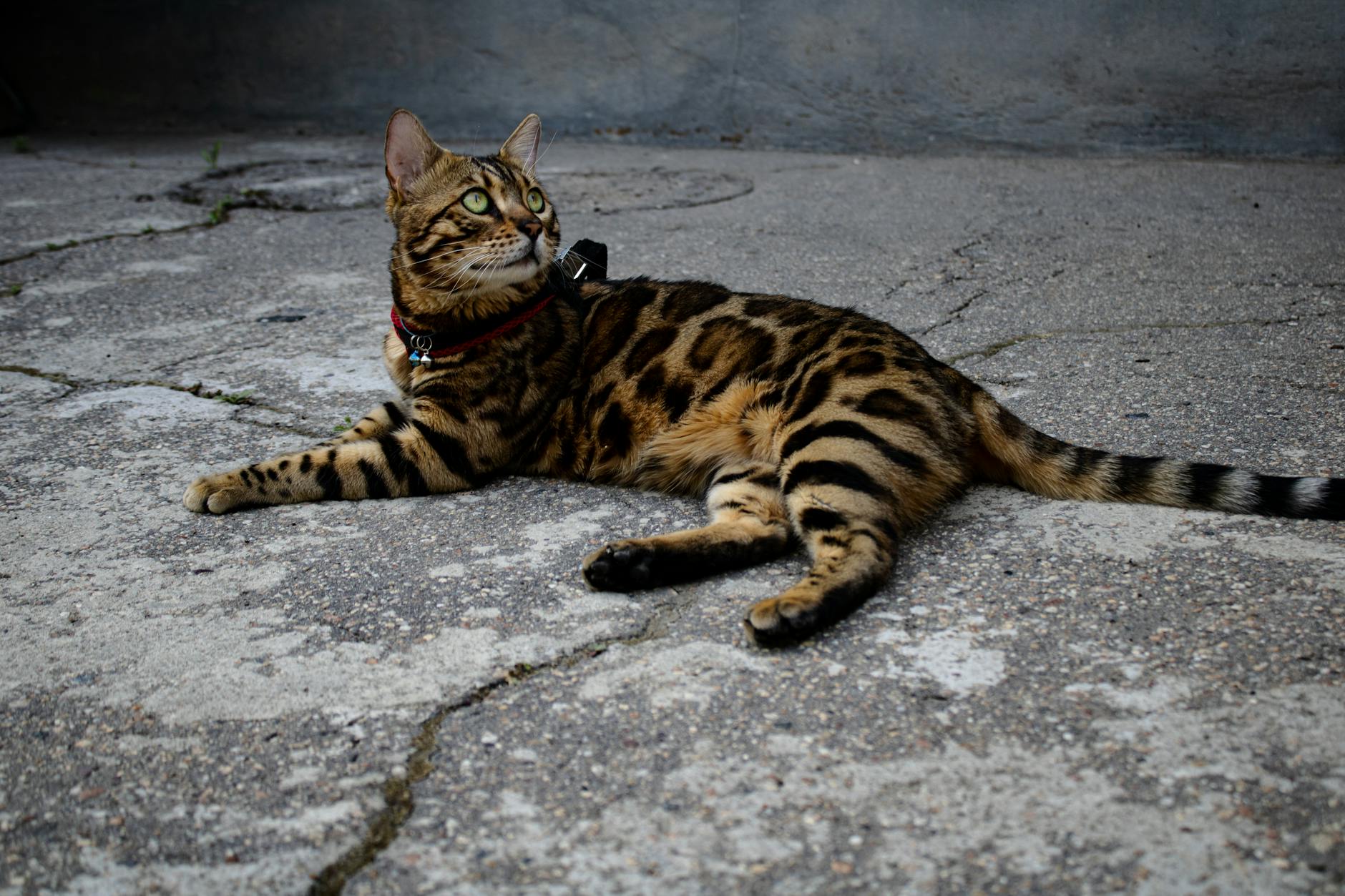
The spotted cat breed with blue eyes isn’t a single breed but rather a category encompassing several feline varieties that have emerged from selective breeding over the past few decades. While the Egyptian Mau stands as the only naturally occurring spotted domestic cat breed, it displays distinctive “gooseberry green” eyes rather than blue. The blue-eyed spotted cats we see today—including breeds like the Altai, Topaz, and Celestial—represent relatively recent developments in cat breeding, created over the last twenty years through deliberate genetic selection by breeders seeking to combine the striking appearance of spots with the eye color appeal of blue-eyed cats.
For cat owners and enthusiasts seeking a spotted companion with piercing blue eyes, understanding the genetic relationship between these traits is essential. Unlike some naturally evolved characteristics, the combination of spotting and blue eyes in cats often involves the white spotting gene, which creates the genetic foundation for both the coat pattern and the eye color. This means that while modern breeding has made these cats increasingly available, they represent a departure from what occurs naturally in the feline world.
Table of Contents
- Which Spotted Cat Breeds Can Have Blue Eyes?
- Genetics Behind Blue Eyes and Spotting in Cats
- The History and Development of Spotted Cat Breeds
- Modern Blue-Eyed Spotted Breeds
- Breeding Challenges and Health Considerations
- Appearance and Personality Traits
- The Future of Blue-Eyed Spotted Cat Breeds
- Conclusion
Which Spotted Cat Breeds Can Have Blue Eyes?
Several spotted and spotted-white cat breeds have been developed specifically to exhibit blue eyes, a trait that distinguishes them from their naturally spotted predecessors. The three most prominent examples are the Altai, Topaz, and Celestial breeds—all relatively new developments in the cat fancy. These breeds were created through selective breeding programs designed to introduce blue eye genetics into spotted patterns, a process that took careful planning and multiple generations of breeding to achieve consistently.
For comparison, traditional spotted breeds like the Egyptian Mau emerged naturally over centuries, but modern breeders have accomplished in two decades what nature took much longer to establish in other breeds. The innovation in breeding blue-eyed spotted cats reflects changing aesthetic preferences among cat enthusiasts. Breeders recognized demand for cats that combined the wild-looking spotted appearance of African-influenced breeds with the striking blue-eyed appearance associated with pointed breeds like Siamese and Himalayan cats. This led to targeted breeding programs that crossed spotted breeds with blue-eyed breeds, carefully tracking inheritance patterns to produce offspring that displayed both traits reliably.
Genetics Behind Blue Eyes and Spotting in Cats
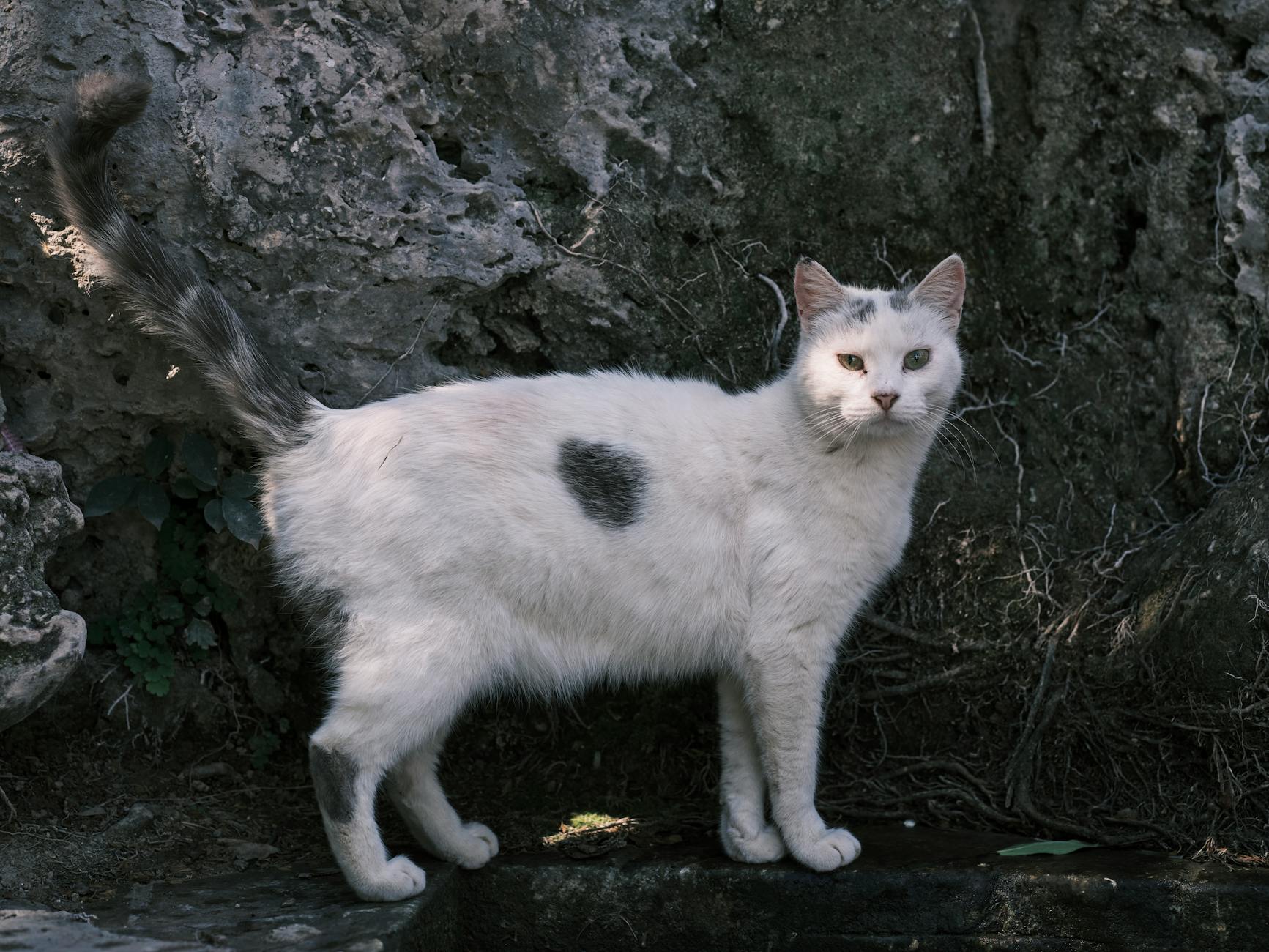
The genetic relationship between blue eyes and spotting in cats centers on the white spotting gene, a crucial piece of feline genetics that enables cats to express both characteristics simultaneously. Blue eyes in cats are typically linked to this white spotting gene, which restricts pigment distribution in the coat and eyes. When breeders work with spotted breeds and seek to introduce blue eyes, they’re working with overlapping genetic pathways that can, under the right circumstances, produce both traits in the same animal.
However, a critical limitation exists in this genetic combination: not all spotted cats will develop blue eyes, and not all blue-eyed cats will display spotting. The genetic expression of these traits depends on inheritance patterns from both parents, meaning that breeding two blue-eyed spotted cats doesn’t guarantee all offspring will display both characteristics equally. Some kittens may inherit stronger spotting with less prominent blue coloring, while others might show the reverse. Breeders must carefully plan multi-generational programs to stabilize these traits, which is why newer blue-eyed spotted breeds took years to develop and why consistency is still being refined in some of the newer breeds.
The History and Development of Spotted Cat Breeds
The history of spotted domestic cats includes both naturally occurring and deliberately created breeds. The Ocicat provides one of the most interesting examples of accidental spotted breed development. In the 1960s, breeder Virginia Daly attempted to create a Siamese cat with Abyssinian-colored points by crossing a Siamese with an Abyssinian cat. Instead of the intended result, she produced a kitten with a spotted coat pattern reminiscent of a wild ocelot—thus the name Ocicat. Rather than discard what was considered a breeding failure, Daly recognized the appeal of this spotted cat and began a new breeding program specifically for the Ocicat.
Today, the Ocicat is well-established, though it doesn’t consistently display blue eyes unless breeders specifically select for that trait. The Serengeti breed offers another example of intentional spotted breed development. Created in the 1990s, the Serengeti was designed to resemble the African Serval while remaining a domestic cat. Breeders achieved this by crossing Bengals (already a spotted breed derived from Asian Leopard Cats) with Oriental Shorthairs. The result was a large, athletic cat with pronounced spots and a wild appearance. While Serengetis can display blue eyes, the breed wasn’t specifically developed for that trait, and blue-eyed individuals are less common than their yellow or green-eyed counterparts.
Modern Blue-Eyed Spotted Breeds
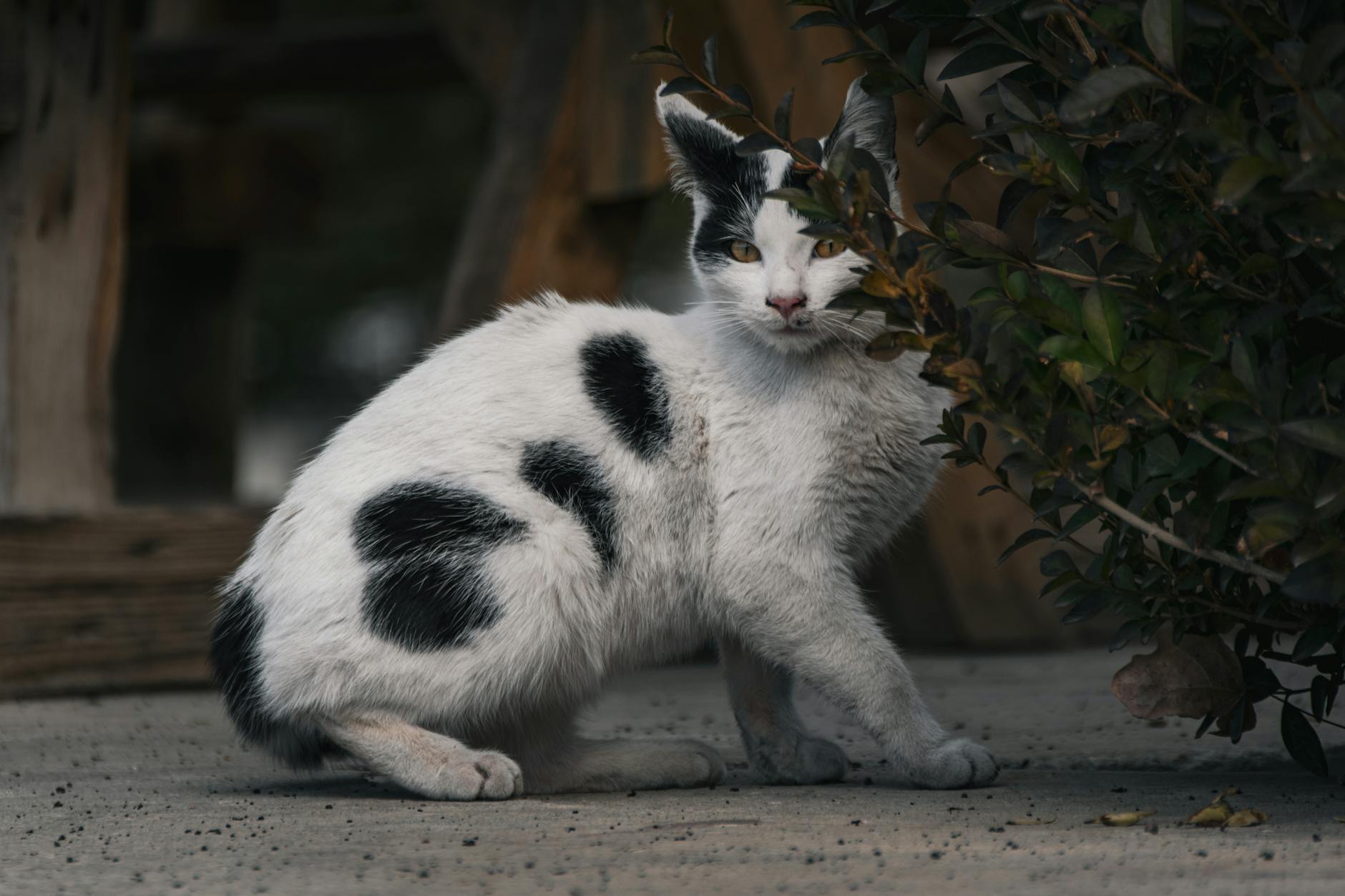
The Altai, Topaz, and Celestial breeds represent the frontier of spotted cat breeding, developed specifically within the last twenty years to combine blue eyes with distinctive spotted or spotted-white coats. These breeds are uncommon and not yet widely recognized by all major cat registries, which means they remain relatively rare in the general pet population. Finding a kitten from one of these breeds often requires connecting with specialized breeders who may operate through breed-specific organizations or networks.
The creation of these modern blue-eyed spotted breeds demonstrates how intentional selective breeding can produce new characteristics in a relatively short timeframe. Breeders selected cats showing both spotting and blue eye genetics, bred them together across multiple generations, and refined the traits through careful record-keeping and planned pairings. However, the relative newness of these breeds means that breed standards are still evolving, and health and temperament data from large populations remain limited compared to established breeds. Potential owners should expect that breeders are still refining type consistency and that individual cats may vary more significantly than in long-established breeds.
Breeding Challenges and Health Considerations
Creating and maintaining blue-eyed spotted cat breeds presents several challenges that potential owners should understand. One significant limitation is the relationship between blue eye coloration and the genes responsible for white spotting. In some cases, excessive white spotting (particularly when concentrated in the head and ears) has been associated with deafness in cats, a concern that ethical breeders monitor carefully. Responsible breeders of blue-eyed spotted cats screen for hearing issues and avoid pairings that would produce cats with dangerous amounts of white spotting that could compromise health.
Another consideration is the relatively small genetic pool available for many newer blue-eyed spotted breeds. Because these breeds involve selecting for specific traits in a limited population, maintaining genetic diversity while preserving the desired appearance requires careful breeding planning. Some breeders may need to outcross to related breeds periodically to maintain health and genetic diversity. This means that not all blue-eyed spotted cats are purebred in the traditional sense, and individual breeders may have different approaches to maintaining their lines. Before choosing a breeder, prospective owners should inquire about genetic testing, health screening, and the breeding philosophy of the cattery.
Appearance and Personality Traits
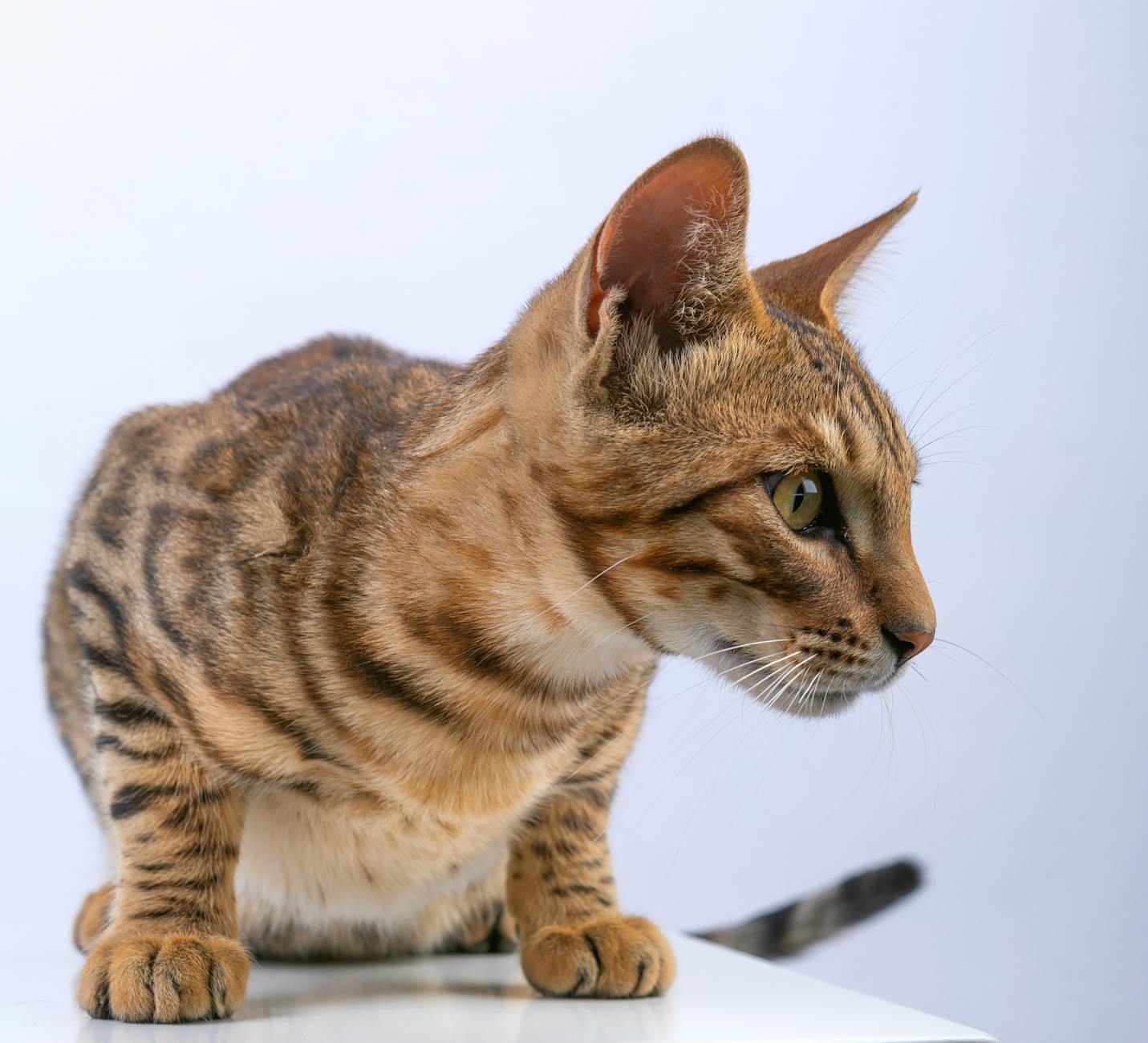
Blue-eyed spotted cats typically display the athletic, active temperament common to many spotted breeds, combined with the social, vocal tendencies that often accompany blue-eyed genetics in cats. Most spotted cats are highly intelligent and require significant mental and physical stimulation. They tend to be more interactive and demanding than laid-back breeds, thriving in homes where they receive regular playtime, environmental enrichment, and human interaction. The combination of spotting and blue eyes typically comes with a cat that expects to be involved in household activities and may follow you from room to room or “help” with whatever you’re doing.
The striking appearance of a blue-eyed spotted cat makes it a conversation piece in any home. Whether the spots are bold and distinct or more subtle, and whether the blue eyes are a clear, bright blue or a softer azure, these cats visually stand out from typical domestic shorthairs. However, potential owners should recognize that the beauty of these cats comes with responsibility. Their high activity levels, intelligence, and social needs mean they’re best suited to homes that can provide engaging environments. A blue-eyed spotted cat confined to a small space without adequate stimulation may develop behavioral issues out of boredom.
The Future of Blue-Eyed Spotted Cat Breeds
The development of blue-eyed spotted cats reflects broader trends in cat breeding toward creating increasingly specialized and visually distinctive breeds. As registry organizations become more accepting of newer breeds, we may see blue-eyed spotted cats become more mainstream in the coming years. Some breeders are continuing to refine existing breeds, while others are experimenting with new combinations of traits, always working within ethical boundaries to ensure health isn’t compromised for appearance.
The increasing availability and recognition of blue-eyed spotted breeds will likely make finding these cats easier in the future, though they will probably remain less common than traditional spotted breeds like Ocicats. Breeders’ growing emphasis on health testing and genetic transparency means that prospective owners should have access to better information about the cats they’re considering. If you’re drawn to the distinctive appearance of a blue-eyed spotted cat, watching breed associations and connecting with established breeders now will position you well to find a healthy kitten when you’re ready.
Conclusion
The spotted cat breed with blue eyes represents a modern achievement in selective cat breeding, combining traits from naturally spotted breeds with the distinctive eye color appeal of blue-eyed lines. Rather than a single breed, it’s a category encompassing several options—some more established than others—from the relatively new Altai, Topaz, and Celestial breeds to more accessible spotted breeds that may occasionally display blue eyes.
Understanding the genetics, breed history, and health considerations behind these cats helps you make an informed decision if you’re considering bringing one into your home. If you’re attracted to the striking appearance of a blue-eyed spotted cat, research breeders carefully, ask about health testing and genetic screening, and be prepared for a cat that’s typically active, intelligent, and social. These cats thrive in engaged households where they receive the mental and physical stimulation they crave, and they reward their owners with striking beauty and interactive companionship.