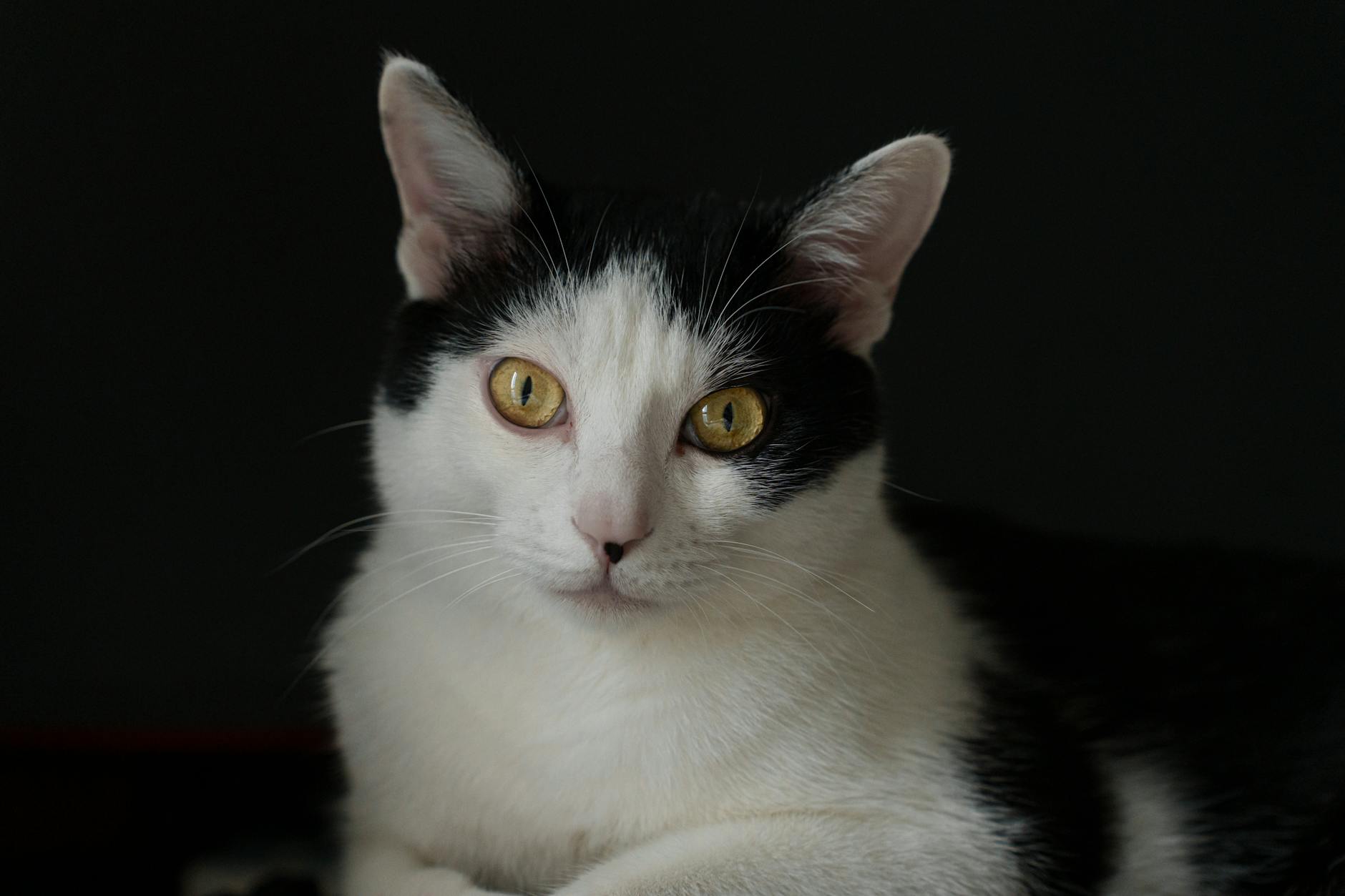
The question of black and white cat breeds with blue eyes doesn’t have a single answer—there are actually several distinct breeds that display this striking combination of coloring and eye color. The most notable is the Snowshoe cat, a rare American breed recognized by its seal-point coloring with distinctive white “snowshoe” paws and piercing blue eyes. However, there’s also the Birman, a long-haired color-pointed breed with deep blue eyes and white paw markings, and the remarkable Ojos Azules, the only black cat breed to naturally possess blue eyes without carrying the white spotting gene that produces blue eyes in other cats. Each breed offers its own unique history, genetics, and characteristics that distinguish it from the others.
The confusion around black and white cats with blue eyes often stems from how genetics work in felines. Most blue-eyed cats inherit this trait through the white spotting gene, which inhibits pigmentation in the iris—a feature that can also carry health implications. The Ojos Azules stands apart because its blue eyes result from a rare dominant blue eye genetic mutation discovered in a feral cat colony in New Mexico during 1984, making it the exception that proves the rule in feline genetics. Understanding these breeds requires looking at their origins, breeding standards, genetic factors, and the practical considerations of cat ownership. Whether you’re drawn to the striking appearance of a Snowshoe or curious about the genetic uniqueness of an Ojos Azules, knowing what distinguishes these breeds helps inform responsible breeding and informed adoption decisions.
Table of Contents
- Which Black and White Cat Breeds Have Blue Eyes?
- The Genetics Behind Blue Eyes in Cats
- The Snowshoe Cat: History and Development
- Birmans and Pointed Coloring: What Sets Them Apart
- Health Considerations and Genetic Awareness
- Finding and Identifying Black and White Cats with Blue Eyes
- The Future of Blue-Eyed Cat Breeds and Responsible Breeding
- Conclusion
Which Black and White Cat Breeds Have Blue Eyes?
The Snowshoe cat is perhaps the most recognizable black and white breed with blue eyes. Developed in the United States during the 1960s by crossing seal-point Siamese cats with bicolor American Shorthairs, Snowshoes combine the slender build and vocal nature of Siamese with the hardiness of domestic shorthairs. Their defining feature is the white “snowshoe” paw markings against their black or seal-point body coloring, paired with the bright, alert blue eyes inherited from their Siamese ancestry. The breed is rare, which contributes to their higher cost and limited availability compared to more common varieties. The Birman represents another category of blue-eyed black and white cat. These long-haired, color-pointed cats display deep blue eyes and white “gloves” on their paws—a feature that gives them their characteristic appearance of dark points with white markings.
Birmans have a documented history tracing back to Burma (now Myanmar), and their distinctive pointed coloring develops as kittens mature, with the white paw markings present from birth. Unlike Snowshoes, Birmans are more commonly available and have a longer established presence in cat registries. The Ojos Azules presents a distinctly different genetics story. As the only black cat breed to naturally possess blue eyes without the white spotting gene, Ojos Azules cats demonstrate how the same trait—blue eyes—can arise through entirely different genetic mechanisms. The breed’s name means “blue eyes” in Spanish, and the blue eye coloring is caused by a dominant blue eye (DBE) genetic mutation rather than the white coat gene responsible for blue eyes in other breeds. This genetic distinction makes the Ojos Azules scientifically unique among feline breeds.

The Genetics Behind Blue Eyes in Cats
Understanding blue eye genetics in cats requires recognizing that all kittens are born with blue eyes, regardless of breed or eventual adult coloring. The blue eye color in newborns results from a lack of melanin in the iris; as kittens grow, melanin typically develops, darkening the eyes to green, amber, yellow, or brown. When this color change doesn’t occur, the cat retains its blue eyes into adulthood—but the reasons why vary significantly across breeds. In most blue-eyed cat breeds, including Snowshoes and Birmans, the blue eye retention is linked to the white spotting gene, which can inhibit iris pigmentation development. This genetic mechanism carries an important health correlation: an estimated 65 to 80 percent of all-white cats with two blue eyes experience deafness due to this same gene. However, this deafness risk doesn’t uniformly apply across all blue-eyed breeds.
Pointed breeds like Siamese, Snowshoes, and Birmans do not have a genetic tendency toward deafness, likely because their color-point pattern develops through different genetic pathways than the white spotting pattern. The Ojos Azules breaks this genetic pattern entirely. Their blue eyes result from a dominant blue eye genetic mutation that operates independently of white coat coloring. This means Ojos Azules cats can have blue eyes regardless of their fur color—including solid black coats. While this genetic independence is fascinating from a breeding perspective, it came with a significant limitation: the DBE gene proved lethal when homozygous (when a cat inherited two copies of the gene). This lethal combination caused cranial deformities, white fur, curled tails, and stillbirths, ultimately leading to the official extinction of the Ojos Azules breed. The breed’s history serves as a sobering reminder that genetic traits that appear desirable can carry unforeseen consequences in breeding programs.
The Snowshoe Cat: History and Development
The Snowshoe breed emerged during the 1960s in the United States through deliberate crossing of seal-point Siamese with bicolor American Shorthairs. Breeders sought to create a cat that combined the Siamese’s distinctive blue eyes and vocal temperament with sturdier build and the striking white paw markings. The result was a cat that captured attention for its striking appearance and engaging personality. The breed developed relatively recently compared to many established feline breeds, which explains why Snowshoes remain rare and less commonly seen in typical households. Snowshoe cats inherit the Siamese tendency toward vocalization—they are talkative, communicative cats that will engage in extended conversations with their owners. Their body structure reflects their hybrid origins, presenting a more moderate build than the extremely slender Siamese while maintaining athletic grace.
The white paw markings and facial pattern are carefully regulated in breeding standards, making consistent Snowshoe appearance more challenging than breeding cats without strict color requirements. A typical Snowshoe displays white “boots” on all four paws, white chin markings, and often a white blaze on the face, all against their seal-point or black coloring. Potential owners should understand that Snowshoes require more social interaction and mental stimulation than many cat breeds due to their Siamese heritage. They develop strong bonds with their owners and can become distressed if left alone for extended periods. The rarity of the breed means veterinarians may have limited experience with Snowshoe-specific health issues, and finding responsible breeders requires careful research. Additionally, cat shows and breed registries maintain specific standards for paw markings and coloring, so adoptive owners shouldn’t expect every black and white cat with blue eyes to meet official Snowshoe standards.
Birmans and Pointed Coloring: What Sets Them Apart
Birmans differ from Snowshoes in both history and genetic coloring mechanism, despite superficial similarities. Where Snowshoes resulted from deliberate breeding in the 1960s, Birmans have legends tracing their origins to Burma centuries ago, with documented breeding programs establishing their standards. The Birman’s coloring follows a “color-point” pattern, where darker coloring concentrates on the face, ears, legs, and tail while the body remains cream or lighter colored. Their white paw markings—the “gloves”—are a distinctive feature that develops naturally as part of their genetic color-point pattern. The color-point pattern in Birmans develops progressively as kittens mature. Newborn Birmans arrive almost entirely white, with the darker pointed coloring gradually emerging over weeks and months. This developmental process means a Birman kitten looks dramatically different from an adult Birman, which should factor into adoption decisions.
The deep blue eyes are consistent across the breed, another inherited feature from their genetic makeup. Unlike Snowshoes, Birmans are substantially more common and widely bred, making them easier to find and typically more affordable. From a health and personality perspective, Birmans occupy a different temperament profile than Snowshoes. While Birmans are affectionate and enjoy human interaction, they tend toward slightly less vocal behavior than Siamese-descended breeds. The breed’s longer coat requires regular grooming commitment—several brushing sessions weekly prevent matting and reduce shedding around the home. The color-point pattern also means Birmans tend toward darker coloring around their eyes, which can make their bright blue eyes even more striking by contrast. If you’re drawn to the aesthetic of black and white cats with blue eyes but prefer a less demanding personality and don’t mind longer coat maintenance, Birmans present an alternative to Snowshoes.
Health Considerations and Genetic Awareness
While blue eyes themselves don’t automatically indicate health problems in cats like Snowshoes and Birmans, the genetics behind those blue eyes carry specific health implications worth understanding. The most critical concern involves the deafness risk associated with the white spotting gene in cats with two blue eyes—but again, this risk doesn’t extend uniformly to all blue-eyed breeds. The white spotting gene (which produces white patches on otherwise colored cats) can damage the cochlea and associated hearing structures during fetal development, particularly when cats have two blue eyes and all-white fur. Because Snowshoes and Birmans express their blue eyes through color-point genetics rather than the white spotting gene, they don’t carry the elevated deafness risk. However, responsible breeders still perform hearing tests and maintain health screening for other breed-specific conditions.
If you’re considering purchasing a Snowshoe or Birman from a breeder, requesting documentation of genetic health screening—including any available hearing and cardiac evaluations—provides confidence in your cat’s health prospects. Additionally, any cat with blue eyes and white coloring should be evaluated for hearing health by a veterinarian, as individual variation occurs and assumptions shouldn’t replace actual assessment. The Ojos Azules breed’s extinction represents the starkest example of why genetic awareness matters in cat breeding. The lethal homozygous effect of the DBE gene meant that breeding two Ojos Azules together risked producing stillborn kittens with severe deformities. This genetic dead-end forced breeders to acknowledge that some traits, no matter how visually striking, carry genetic costs that supersede aesthetic desires. Modern breed development increasingly recognizes this principle, though enforcement remains inconsistent across breeding communities and registries.
Finding and Identifying Black and White Cats with Blue Eyes
If you encounter a black and white cat with blue eyes, determining which breed it might be requires understanding specific distinguishing features. A true Snowshoe will display the characteristic white paw markings alongside pointed coloring, a more slender frame suggesting Siamese ancestry, and vocal tendencies. A Birman will present longer coat length, the color-point pattern, and similar paw markings but with a more moderate body structure. A random domestic shorthair or longhair cat displaying black and white coloring with blue eyes might simply inherit the white spotting gene without belonging to any specific registered breed.
When seeking to adopt or purchase one of these breeds, working with responsible breeders or breed-specific rescue organizations ensures you’re getting a cat consistent with your expectations. Backyard breeders or online listings promising “rare” or “exotic” black and white blue-eyed cats often lack proper breeding documentation or health screening. Reputable breeders willingly provide references, health test results, and detailed information about a kitten’s parents and genetic background. Breed registries like the Cat Fanciers’ Association maintain directories of approved breeders who adhere to specific breeding standards and ethical practices.
The Future of Blue-Eyed Cat Breeds and Responsible Breeding
As scientific understanding of feline genetics advances, the future of blue-eyed cat breeds appears more cautious and informed than the historical approach that produced the Ojos Azules extinction. Modern breed development increasingly prioritizes genetic diversity, health testing, and the elimination of known lethal genes. Breeders and registries are gradually moving away from selecting for traits without understanding their genetic costs, though resistance to change remains in some breeding communities.
The established blue-eyed breeds—Snowshoes, Birmans, and others—will likely continue alongside stricter health standards and increased transparency in breeding programs. Genetic testing technology now permits breeders to identify and avoid mating pairs that would produce homozygous lethal effects, offering hope that future breeding can maintain desirable traits without the tragedies that extinction represents. For prospective owners, this means the responsibility for promoting ethical breeding extends to supporting responsible breeders through adoption and purchase choices, while advocating for continued genetic research that protects cat populations.
Conclusion
Black and white cat breeds with blue eyes represent several distinct genetic pathways and breeding histories rather than a single category. The Snowshoe cat, with its distinctive white paws and Siamese heritage, offers an engaging and vocal companion. The Birman presents a longer-coated alternative with a less demanding temperament.
Each breed carries its own genetic story, from the common blue eye mechanism related to white spotting in some breeds to the unique dominant blue eye mutation that characterized the Ojos Azules. Understanding these breeds requires awareness of their genetics, health implications, temperament traits, and the ethical considerations in cat breeding. Whether you’re adopting from a rescue, purchasing from a breeder, or simply curious about the cat you’ve encountered, recognizing the differences between black and white blue-eyed breeds enriches your understanding of feline genetics and supports more informed decisions about cat ownership and breed development.