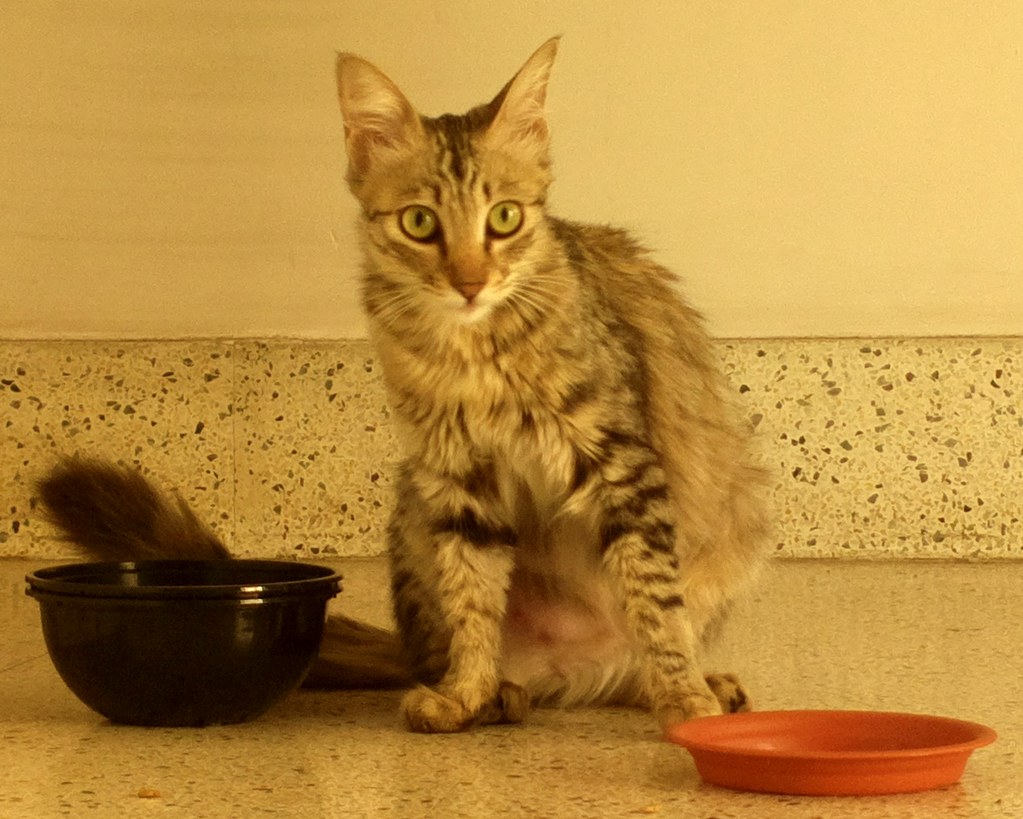
Clumping litter is generally safe for most adult cats when used correctly, but it does carry specific risks that pet owners should understand before choosing it as their cat’s litter type. The primary concern stems from the sodium bentonite clay used to create clumps—if a cat ingests enough of it during grooming or digging, it can potentially form blockages in the digestive system. A cat that frequently eats litter or has sensitive digestion may develop intestinal impaction, which is a serious condition requiring veterinary intervention.
For healthy adult cats that don’t have a habit of eating litter, clumping litter poses minimal danger. However, kittens under four months old, senior cats, and cats with digestive sensitivities face elevated risk. The risk is not that clumping litter is inherently toxic, but rather that the clay’s properties make it more likely to clump inside the digestive tract if ingested, especially in young animals whose digestive systems are still developing.
Table of Contents
- What Happens When Cats Ingest Clumping Litter?
- The Specific Dangers of Sodium Bentonite Clay
- Age and Health Factors That Increase Risk
- How to Use Clumping Litter Safely for Your Cat
- Warning Signs That Clumping Litter May Be Causing Problems
- Non-Clumping Alternatives Worth Considering
- Assessing Your Specific Cat’s Risk Level
- Frequently Asked Questions
What Happens When Cats Ingest Clumping Litter?
When a cat grooms its paws after using the litter box, small amounts of litter naturally end up in the mouth and digestive system. With non-clumping clay litter, these particles pass through relatively easily. Clumping litter behaves differently—the sodium bentonite clay absorbs moisture and expands, creating the clump that makes cleaning easier for owners. If a cat ingests this material, the same expansion process can occur in the stomach and intestines, potentially leading to blockage.
A cat showing signs of intestinal impaction from litter ingestion will display reduced appetite, constipation, lethargy, or difficulty using the litter box. In severe cases, surgery may be required to remove the blockage. The risk is highest in kittens because their smaller digestive systems are less tolerant of foreign material, and they’re more likely to play in and eat litter out of curiosity. Older cats with reduced digestive efficiency face similar risks, particularly if they have underlying conditions like inflammatory bowel disease.
The Specific Dangers of Sodium Bentonite Clay
Sodium bentonite clay is the ingredient that makes clumping litter clump, and it’s where the safety concern centers. This clay is highly absorbent—it can expand to many times its original volume when it contacts liquid. While this property is excellent for controlling odor and making litter maintenance convenient, it’s the same property that creates digestive risk. Some cats develop what’s called pica (a compulsion to eat non-food items), making them more prone to consuming litter regardless of type, but clumping litter presents a more serious consequence when pica occurs.
Beyond ingestion, some owners and veterinarians have raised concerns about dust from clumping litter, particularly for cats with respiratory sensitivities or asthma. When cats dig and cover waste, they create dust clouds that can be inhaled. Studies have shown that some clumping litters produce more dust than others, and this dust can irritate airways over time. A cat that already has respiratory issues may experience exacerbated symptoms, including coughing, wheezing, or increased asthma attacks. Low-dust clumping litters exist and may be a compromise option, but they’re not entirely dust-free.
Age and Health Factors That Increase Risk
Kittens younger than four months old should not use traditional clumping litter because their bodies lack the digestive capacity to handle potential ingestion safely. At this age, kittens explore everything with their mouths and are more likely to eat litter out of curiosity or even hunger if they’re not getting adequate nutrition. Paper-based or pine litter designed for kittens is a safer choice during these critical months. Once a kitten reaches four months and has better digestive development, the risk decreases, though kittens are still more vulnerable than adult cats until they’re around one year old.
Senior cats (over ten years old) present another vulnerable population. As cats age, their digestive systems become less efficient, and they may have chronic conditions like chronic kidney disease, diabetes, or inflammatory bowel disease. These conditions make the cat’s system more susceptible to blockage from ingested litter. Additionally, senior cats sometimes develop dental disease or pain that causes them to groom less frequently, but other senior cats increase their time in the litter box, which means more potential litter contact.
How to Use Clumping Litter Safely for Your Cat
If you choose to use clumping litter with an adult cat, several practices can reduce risk. Use low-dust, low-tracking clumping litter to minimize both dust inhalation and the amount of litter particles your cat tracks through the house and ingests during grooming. Maintain a pristine litter box by scooping daily, sometimes twice daily—the less time your cat spends in a dirty box, the less litter it encounters and potentially ingests. Provide a litter mat or containment system outside the box to catch escaping litter and reduce the amount your cat grooms off its paws.
The location of the litter box also matters for safety. Avoid placing it in high-traffic areas where your cat might eat and then immediately visit the box, or visit the box multiple times without grooming in between. Some owners find that placing the box in a separate, quiet room reduces the cat’s overall stress and litter-related behaviors. For multi-cat households, having at least one litter box per cat plus one extra reduces competition and tension, which can lead to excessive digging and litter ingestion in stressed cats.
Warning Signs That Clumping Litter May Be Causing Problems
Watch for behavioral changes and physical symptoms that might indicate your cat is struggling with clumping litter. Reduced appetite, weight loss, vomiting, or difficulty using the litter box can all signal digestive distress. Some cats develop constipation as clumping litter accumulates in their system; you may notice your cat straining in the box or producing smaller, harder stools. In acute cases, a cat may become visibly lethargic, hide more than usual, or develop a bloated or uncomfortable appearance.
Respiratory changes are another warning sign. If your cat starts coughing, wheezing, or breathing more heavily after you’ve switched to clumping litter, particularly if you’ve chosen a brand with higher dust levels, that’s a sign the litter is irritating the airways. Some cats with asthma experience symptom flare-ups within days of switching to clumping litter. Additionally, some cats develop excessive grooming behavior or skin irritation from frequent litter contact, which can indicate sensitivity to the clay or dust itself.
Non-Clumping Alternatives Worth Considering
Pine-based litter, made from sawdust or wood pellets, offers clumping-like convenience without sodium bentonite. It’s naturally antimicrobial and controls odor through absorbency rather than chemical clumping. The main trade-off is that pine litter doesn’t form tight clumps, so scooping requires removing wet litter and pellets separately. Paper-based litter made from recycled paper is extremely safe for ingestion and works well for cats with respiratory sensitivity, though it requires more frequent box cleaning and doesn’t control odor quite as effectively as clumping litter.
Walnut shell litter and corn-based litter are also popular alternatives that clump without bentonite clay. Walnut litter is particularly absorbent and has natural antifungal properties, while corn litter is renewable and often softer on paws. For cats with severe digestive sensitivity or those with a history of blockages, crystal litter made from silica gel is another option—it lasts longer between changes and produces minimal dust. Each alternative has different dustiness levels, odor control, and litter box maintenance requirements, so choosing often depends on balancing safety with your cat’s preferences and your household’s needs.
Assessing Your Specific Cat’s Risk Level
Evaluate your individual cat’s risk profile before deciding on litter type. An indoor-only adult cat with no history of eating non-food items and no respiratory or digestive health issues faces minimal risk from clumping litter. However, if your cat has ever shown interest in eating litter, has been diagnosed with gastrointestinal issues, or has asthma or allergies, clumping litter poses unnecessary risk. Consulting with your veterinarian about your cat’s specific health status is the most reliable way to make this decision.
Some owners perform a trial period to assess their cat’s response. switch to clumping litter while monitoring behavior, appetite, and litter box habits for at least two weeks. If your cat shows no negative changes and you’re comfortable managing the daily scooping, clumping litter can work fine. If you notice any behavioral shifts, increased grooming, respiratory changes, or digestive differences, switch back to an alternative. Your cat’s individual tolerance matters more than general guidelines, and what works for one cat may not be ideal for another, even within the same household.
Frequently Asked Questions
Can clumping litter cause a blockage in cats?
Yes, though it’s uncommon in adult cats. If a cat ingests enough clumping litter, the sodium bentonite clay can expand in the digestive tract and potentially form a blockage, especially in kittens or cats with digestive sensitivities.
Is it safe to use clumping litter for kittens?
No. Kittens under four months old should use paper-based or pine litter designed for young cats. Their developing digestive systems are more vulnerable to blockage from clumping litter.
Does clumping litter dust cause respiratory problems in cats?
It can, particularly in cats with existing asthma or respiratory sensitivity. Lower-dust clumping litters exist, but switching to a non-clumping alternative is more effective if respiratory issues are a concern.
What should I do if I think my cat has ingested clumping litter?
Contact your veterinarian immediately if your cat shows reduced appetite, vomiting, constipation, lethargy, or difficulty using the litter box. These symptoms may indicate an intestinal blockage that requires emergency care.
What’s the safest alternative to clumping litter?
Paper-based litter is safest for ingestion because it breaks down easily in the digestive system. Pine-based and walnut-shell litters are also safe alternatives that offer some clumping-like convenience.