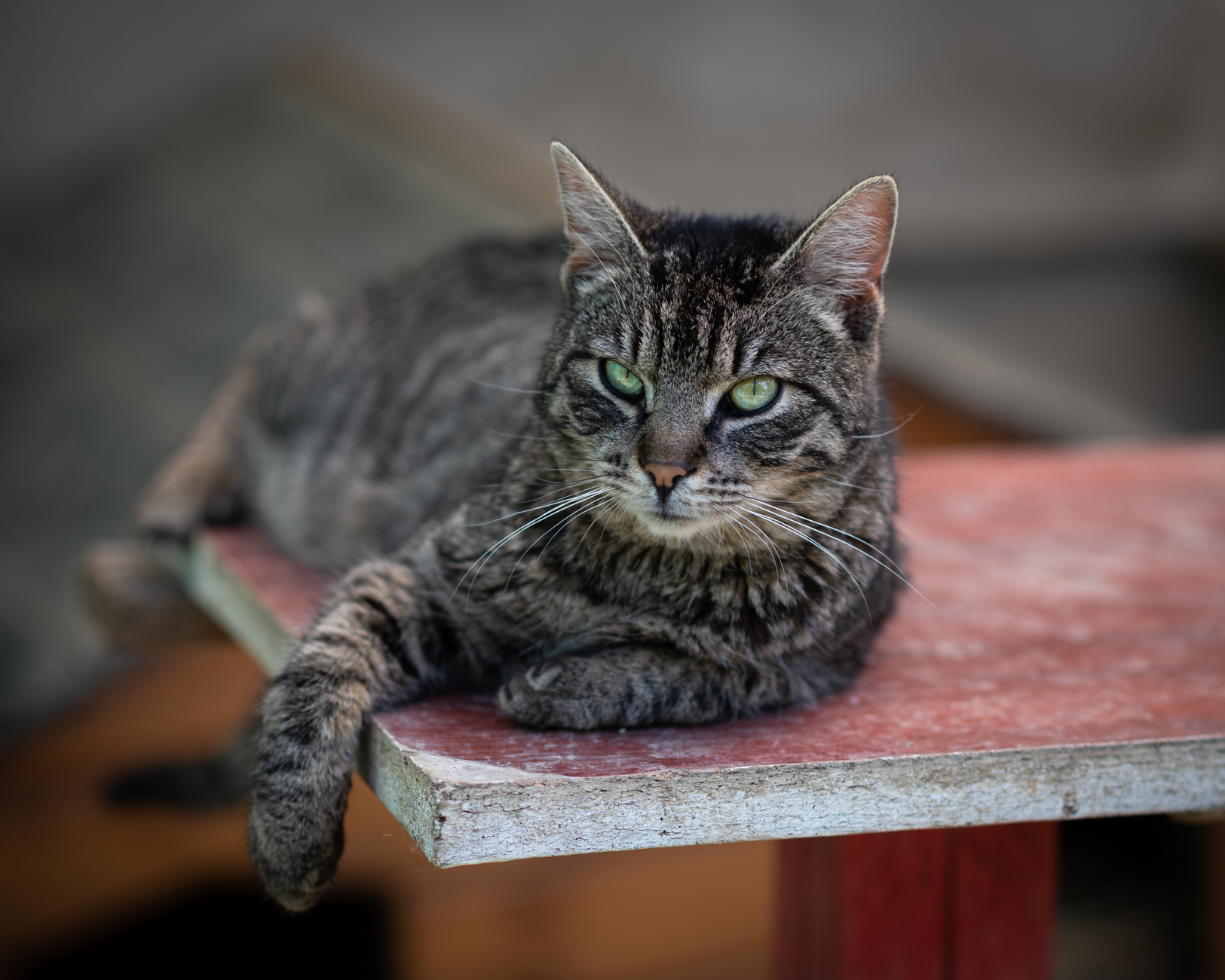
Yes, cats can safely use treadmills, but only under specific conditions and with careful introduction and supervision. Unlike dogs, cats don’t naturally gravitate toward sustained running, so a treadmill works best as enrichment for specific situations—managing weight, burning excess energy, or providing indoor exercise for cats with limited outdoor access. A cat running on a treadmill at a comfortable pace (typically 3 to 6 miles per hour) for short intervals rarely faces injury if the equipment is properly designed and the cat is willing.
The safety factor hinges on three elements: the cat’s individual temperament, proper equipment design, and gradual acclimation. A cat forced onto a treadmill or one that panics on it is at higher risk of injury, anxiety, or developing a fear of the device. By contrast, a cat that approaches the treadmill on its own terms—drawn by treats, toys, or curiosity—is far more likely to use it without stress. A 5-year-old indoor tabby named Pepper, for example, was introduced to a cat-specific low-speed treadmill over the course of three weeks and now voluntarily walks on it several times a week, which helped reduce her weight from 14 pounds to 11 pounds over six months.
Table of Contents
- Do Cat Treadmills Carry Injury Risks?
- How Does a Cat’s Natural Behavior Affect Treadmill Use?
- Which Cat Breeds or Ages Benefit Most from Treadmill Exercise?
- What’s the Right Way to Introduce a Cat to a Treadmill?
- What Are Common Problems or Health Warnings?
- Can a Treadmill Help with Weight Management in Cats?
- How Does Treadmill Exercise Compare to Other Indoor Activity Options?
- Frequently Asked Questions
Do Cat Treadmills Carry Injury Risks?
Treadmills designed for cats are generally safer than standard human treadmills because they operate at lower speeds and have a narrower belt. However, injury can occur if a cat panics, loses its footing, or gets a paw caught in the belt edge. The most common injuries are minor—paw abrasions or a startled fall—rather than serious trauma. A cat that bolts unexpectedly from a moving treadmill could land awkwardly and sprain a leg, though this is relatively rare if the device is low to the ground and positioned away from obstacles.
The real risk lies in treadmills designed for humans being repurposed for cats. Standard treadmills have wide belts, high speeds even at their minimum setting, and no safety rails sized for a cat’s frame. A Maine Coon named Thor was placed on a human treadmill at what owners thought was a slow pace (2 mph), but the cat’s claw caught on the belt edge, causing a minor laceration that required veterinary attention and discouraged future use. Dedicated cat treadmills feature lower speeds, enclosed sides to prevent escape, and a belt less likely to snag claws.
How Does a Cat’s Natural Behavior Affect Treadmill Use?
Cats are sprinters, not distance runners. In the wild, they chase prey in short bursts—typically lasting 5 to 10 seconds—then rest. This sprint-and-rest pattern is hardwired into their physiology, making sustained running feel unnatural. When a cat does run on a treadmill, it’s often mimicking this natural behavior: short bursts of walking or light jogging interspersed with stops.
Forcing a cat to maintain constant speed contradicts its instincts and can cause stress, evidenced by a lowered tail, flattened ears, or an attempt to escape the device. Some cats, particularly younger, high-energy animals, take to treadmills because they satisfy the need to move without requiring the cat to navigate outdoor dangers. A 2-year-old Bengal named Milo, bred for higher activity levels than average cats, was introduced to a treadmill and now uses it 10 to 15 minutes daily, which correlates with noticeably calmer behavior in the evenings. However, older cats, particularly those over 10 years old, may find treadmill walking uncomfortable due to arthritis or reduced muscle tone, and their motivation to use the device will be minimal regardless of how patient the introduction is.
Which Cat Breeds or Ages Benefit Most from Treadmill Exercise?
Young, active breeds like Bengals, Abyssinians, and Siamese—which were historically outdoor hunters or require high stimulation—adapt more readily to treadmill use than calmer, more sedentary breeds like Persians or British Shorthairs. Weight management is also a factor: overweight cats and those prone to obesity benefit more from structured exercise like treadmill walking than lean, naturally active cats. A veterinarian might recommend treadmill training specifically for a 3-year-old overweight domestic shorthair as part of a weight-loss program, whereas the same recommendation would be unnecessary for a naturally slim, active cat. Age is another significant variable.
Kittens under 6 months old lack the coordination and attention span for treadmill training. Senior cats, especially those over 12 years old, may experience joint discomfort or lack the motivation to learn a new behavior. The ideal age for introducing a treadmill is between 1 and 8 years, when cats have sufficient coordination, can sustain motivation with rewards, and are still agile enough to use the device comfortably. A 4-year-old cat with early-stage arthritis might find gentle treadmill walking beneficial if pain is managed, but the introduction would need to be slower and more cautious than for a healthy younger cat.
What’s the Right Way to Introduce a Cat to a Treadmill?
Proper introduction is the difference between a safe, enriching experience and a stressful, counterproductive one. Start by placing the stationary treadmill in a familiar space and letting the cat explore it at its own pace for several days. Leave treats on the belt and near the device to create positive associations. Only after the cat voluntarily steps onto the stationary belt—without coaxing—should you turn it on at the very lowest speed, with the cat either already on the belt or walking alongside it with your hand nearby.
Most experts recommend starting sessions at just 1 to 2 minutes, even if the cat shows interest in continuing. Gradually extend the time and speed over weeks, always stopping before the cat shows signs of stress. This contrasts sharply with the “just put the cat on and it will figure it out” approach, which typically results in panic, avoidance, and the treadmill becoming a source of fear. A gradual two-week introduction, where a cat goes from exploring a stationary belt to walking at 2 mph for 5 minutes, produces far better long-term outcomes than rushing the process. Reward-based training—using favorite treats or a toy to incentivize movement—works better than any other motivational method.
What Are Common Problems or Health Warnings?
Heat stress is an often-overlooked risk. Cats don’t sweat efficiently and rely on panting and environmental cooling to regulate temperature. A cat running on a treadmill in a warm room—or on a treadmill with poor ventilation—can overheat quickly, showing signs like excessive panting, drooling, or lethargy. This is especially dangerous for flat-faced breeds like Persians, which already struggle with temperature regulation. A Persian named Duchess began overheating after just 3 minutes on a treadmill during an unusually warm day, requiring owner intervention and a cool-water wipe-down to recover.
Always use a treadmill in a cool environment, monitor the cat for heat stress, and stop immediately if the cat begins panting heavily or seems lethargic. Behavioral issues can also emerge. Some cats develop an obsessive relationship with the treadmill, using it excessively and neglecting other forms of play or rest. Others become frustrated or aggressive when denied access. These psychological dependencies are more likely in cats that were pushed too hard during introduction or in indoor-only cats with limited other enrichment. Additionally, if a cat is using a treadmill as its primary form of exercise, the lack of other enrichment—climbing, hunting simulations, environmental exploration—can lead to behavioral problems like excessive meowing, destructive scratching, or litter box issues.
Can a Treadmill Help with Weight Management in Cats?
A supervised treadmill program, combined with dietary changes, is effective for weight loss in cats. Studies suggest that indoor cats with structured exercise show better weight loss outcomes than those with exercise alone or diet alone. A study of 20 overweight indoor cats showed that those participating in 15 minutes of treadmill exercise five times weekly, combined with a controlled diet, lost an average of 2 pounds over four months—a meaningful reduction for a cat.
However, treadmill exercise alone won’t create weight loss without dietary control. A cat burning an extra 50 calories on a treadmill can easily consume those calories back in an extra serving of treats or wet food. The treadmill is a tool within a broader weight-management strategy, not a standalone solution. Additionally, cats with orthopedic issues—such as osteoarthritis or hip dysplasia—may struggle with treadmill use even if it would benefit their weight, making veterinary guidance essential before starting a program.
How Does Treadmill Exercise Compare to Other Indoor Activity Options?
Cat treadmills are one enrichment tool among many, and they’re not always the best or most sustainable option. Vertical spaces, window perches, interactive toys, and automated laser toys often provide more natural stimulation at lower stress levels.
A cat typically prefers climbing a cat tree or pouncing on a feather toy to walking on a treadmill, and these behaviors engage the cat’s hunting instincts more directly. For cats that show genuine interest and are properly acclimated, treadmills add value by providing low-impact, sustained movement in a controlled setting—useful for weight management or during bad weather when outdoor play isn’t an option. However, a cat that refuses the treadmill or shows anxiety shouldn’t be forced into it when other, more appealing forms of exercise are readily available.
Frequently Asked Questions
How long should a cat spend on a treadmill each day?
Start with 5 minutes and gradually build to 10 to 15 minutes per session, no more than once daily. Most cats shouldn’t exceed 15 minutes at a time, as this aligns with their natural burst-activity pattern.
What speed is safe for cats?
Most cats comfortably walk or light jog at 2 to 4 miles per hour. Speeds above 6 mph are generally too fast for cats and can cause stress or injuries. Start at 1 to 2 mph during the introduction phase.
Can senior cats use treadmills?
Senior cats can use treadmills if they’re healthy enough, but introduce them even more slowly and watch for signs of pain or fatigue. Consult your veterinarian before starting any exercise program for a cat over 10 years old.
What if my cat refuses the treadmill?
Don’t force it. Some cats simply aren’t interested, and forcing compliance creates fear and stress. Stick with other forms of enrichment and exercise that your cat naturally enjoys.
Is a cat treadmill worth the investment?
Only if your cat shows genuine interest and uses it regularly. Many cats never warm up to treadmills, making the purchase unnecessary. Test your cat’s willingness before committing to the expense.
Can treadmill exercise replace outdoor play?
No. Treadmill walking provides movement and weight management but doesn’t replicate the full sensory and behavioral enrichment of outdoor exploration, climbing, or natural hunting simulations.