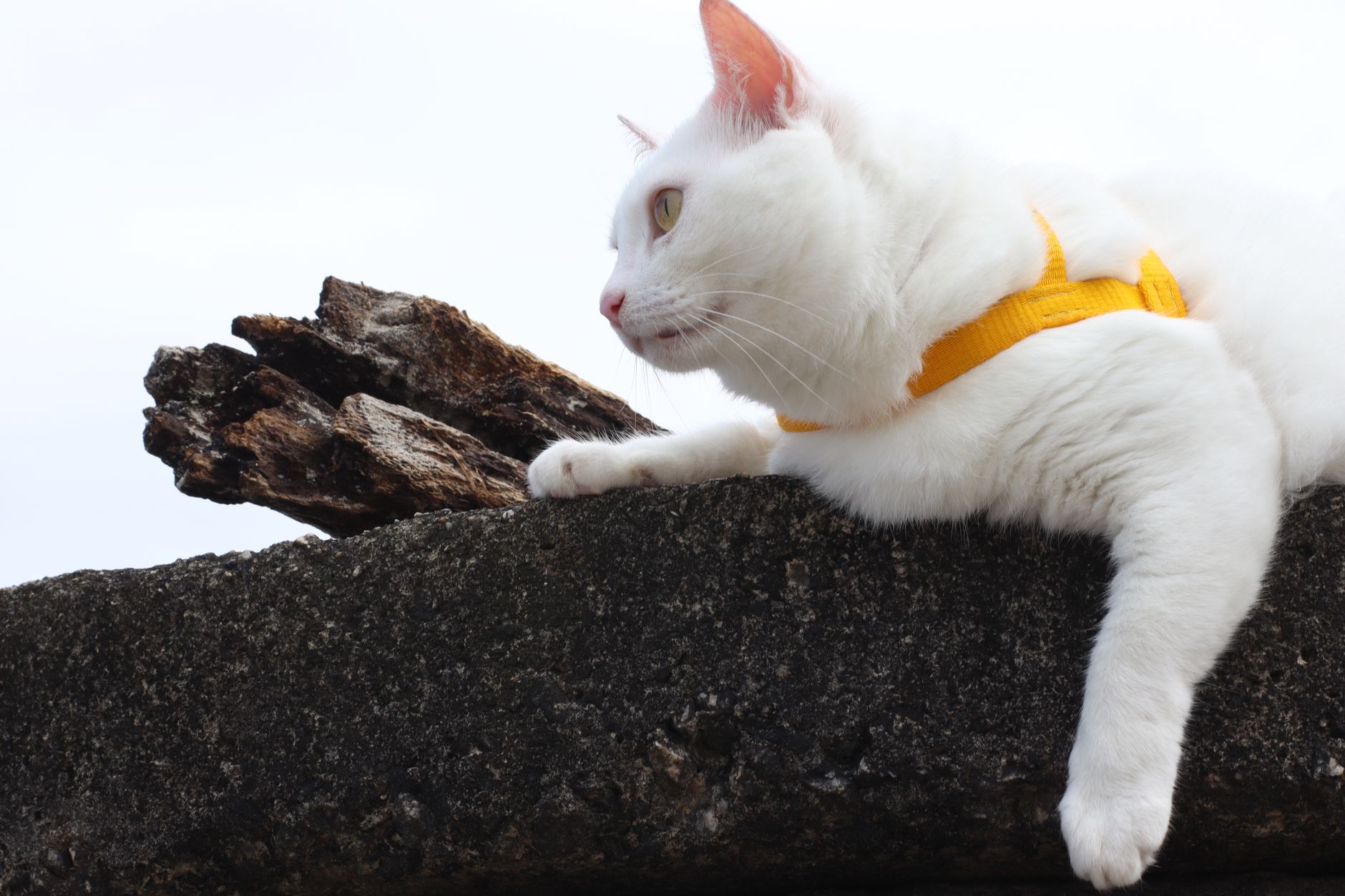
Yes, it is generally safe for cats to go on walks with a properly fitted harness, provided you choose the right equipment, introduce it gradually, and respect your cat’s individual temperament. A harness keeps your cat physically tethered to you so it cannot bolt into traffic, climb a fence, or vanish into a storm drain, which makes a supervised walk far safer than letting a cat roam free outdoors. The key word is “properly fitted.” A loose harness lets a frightened cat back out and escape, while a poorly designed one can chafe or restrict movement. Cats are not small dogs, and the experience only stays safe when the gear and the pace match feline behavior. Consider a common scenario: an indoor Bengal who paces by the window and cries at the door. Many owners of high-energy breeds like Bengals, Abyssinians, and Savannahs find that an H-style or vest harness lets the cat sniff grass and bask in real sunlight while staying under control.
The cat gets enrichment, and the owner avoids the risks of free roaming, which include cars, predators, parasites, fights, and theft. That said, harness walking is not safe or appropriate for every cat. A deeply anxious, elderly, or unvaccinated cat may experience more stress and risk than benefit, and forcing the issue can backfire. The safety of the activity depends less on the leash itself and more on the surrounding decisions: vaccination status, the environment you choose, how you read your cat’s body language, and your willingness to abort a walk the moment things go wrong. Done thoughtfully, harness walking is a legitimate and rewarding form of enrichment. Done carelessly, it can frighten a cat or let it escape.
Table of Contents
- Is It Actually Safe to Walk a Cat on a Harness and Leash?
- Choosing and Fitting a Cat Harness Without Hurting Your Cat
- Health and Environmental Risks of Outdoor Cat Walks
- How to Introduce a Harness Safely and Build Up to Walks
- Common Problems, Warning Signs, and When to Stop
- Safer Alternatives and Supplements to Leashed Walks
- Breed and Temperament Differences in Harness Walking
- Frequently Asked Questions
Is It Actually Safe to Walk a Cat on a Harness and Leash?
The core safety concern with any harness walk is escape. Cats have flexible spines, narrow shoulders, and a strong instinct to reverse out of anything that grips them when they panic. A collar should never be used for walking because a startled cat can slip it or, worse, injure its neck and trachea if it lunges. A harness distributes pressure across the chest and back instead, which is both safer and harder to escape. The H-style (figure-eight) harness and the padded vest or jacket harness are the two designs most recommended by veterinarians and cat behaviorists for this reason. The second concern is psychological.
Unlike dogs, cats are both predator and prey, and an open outdoor space can read as threatening rather than fun. A safe walk is one where the cat feels in control and can retreat. Compare two cats: a confident, curious cat raised around handling will often adapt to a harness within a couple of weeks, while a timid cat may freeze, flatten, or attempt to flee every time. For the second cat, the “safe” choice may be a secured catio or a leashed sit on a quiet balcony rather than a true walk. A useful warning here: never tie a harnessed cat to a fixed object and walk away, even for a moment. A tethered cat that panics can twist, tangle, and strangle or injure itself with no one to intervene. Harness time is always supervised, hands-on time.
Choosing and Fitting a Cat Harness Without Hurting Your Cat
Fit is where most harness safety problems begin. The standard rule is the two-finger test: you should be able to slide two fingers snugly between the harness and your cat’s body, but no more. If you can fit your whole hand underneath, the cat can wriggle free; if you cannot fit two fingers, it is too tight and may restrict breathing or rub the skin raw over a long outing. Cats also lose and gain weight seasonally and with age, so a harness that fit perfectly last year should be re-checked, not assumed. Material and design matter too.
Thin nylon strap harnesses are cheap and lightweight but concentrate pressure on narrow lines across the body and are generally the easiest for a determined cat to escape. Padded vest harnesses spread the load and are harder to back out of, but they trap more heat, which is a real limitation in warm climates where an extra layer of fabric can contribute to overheating on a sunny walk. There is no single perfect harness; you are trading escape resistance against comfort and ventilation. A specific warning: avoid retractable leashes for cats. They encourage the cat to get far enough away that you cannot react in time to a dog, a car, or a sudden bolt, and the thin cord can cause injury if it wraps around a leg. A short, fixed leash of four to six feet keeps your cat within reach, which is the entire point of walking on a lead.
Health and Environmental Risks of Outdoor Cat Walks
Going outside, even on a leash, exposes a cat to hazards an indoor cat normally avoids. Parasites are at the top of the list: fleas, ticks, and the eggs of intestinal worms live in grass and soil, and a cat that walks outdoors needs to be on year-round parasite prevention. Outdoor areas can also carry diseases shed by other animals. A cat that is not fully vaccinated, including against rabies where it is endemic, should not be walking in spaces where wildlife or stray cats roam. Environmental dangers are easy to underestimate.
Lawns and gardens are frequently treated with pesticides, herbicides, and fertilizers that are toxic to cats, and a cat will groom these residues off its paws and fur after a walk. Many common landscaping plants, including lilies, sago palm, and azaleas, are poisonous if nibbled. For example, a single ingested lily leaf can cause fatal kidney failure in a cat, so a manicured suburban garden is not automatically a safe walking ground. The biggest acute risk remains other animals, especially off-leash dogs. A harness keeps your cat attached to you, but it does not protect against an attack, and a cat that feels cornered may climb you or thrash hard enough to injure itself. Always choose times and places where loose dogs are unlikely, and be ready to pick your cat up and leave.
How to Introduce a Harness Safely and Build Up to Walks
The safest introduction is slow and indoor-first. Start by leaving the harness near the cat’s food so it becomes a neutral, even positive, object. Over several days, drape it on the cat, then fasten it for a few minutes while offering treats, gradually increasing the time. Only after the cat moves normally while wearing it indoors do you attach the leash, and only after that do you open the door. Rushing any of these steps is the most common reason walks fail or frighten the cat. There is a real tradeoff between speed and success here.
An owner who forces a harness on and goes straight outside might get one walk, but often creates a cat that hides at the sight of the harness forever after. An owner who spends two to four weeks on desensitization usually ends up with a cat that walks willingly for years. The slow route costs patience up front and saves frustration later, which is almost always the better trade for a prey animal that does not respond well to coercion. Manage expectations about what a “walk” looks like. A dog walk is brisk and goal-directed; a cat walk is slow, meandering, and frequently stationary, with long pauses to sniff or sit. Letting the cat set the pace is part of keeping it calm and therefore safe. Trying to march a cat down a sidewalk like a dog usually produces the flattened, frozen “pancake” posture that signals the cat is overwhelmed.
Common Problems, Warning Signs, and When to Stop
Even a well-prepared walk can go wrong, and reading feline stress signals is a core safety skill. Warning signs include a low crouch or belly-to-ground crawl, a puffed tail, flattened ears, dilated pupils, frozen stillness, or frantic attempts to escape the harness. These are not signs of a cat that needs to “get used to it”; they are signs to end the outing and return to a safe space. Pushing through stress can sensitize the cat and teach it that outdoors means fear. Escape is the failure mode to plan for.
If a cat does back out of its harness outside, panic and pursuit usually make things worse, since a frightened cat will flee from a chasing owner. The safer response is to stay low, stay calm, and coax rather than grab. A practical limitation of harness walking is that no harness is one hundred percent escape-proof, which is why microchipping and a current ID are essential backups before you ever step outside. A frequent and serious mistake is mixing up cats that should not be walked at all. Senior cats with arthritis, cats with heart or respiratory conditions, recovering surgical patients, and extremely fearful cats may all be put at risk by the stress and exertion of a walk. When in doubt, a veterinarian can advise whether walking is appropriate, and for many cats a window perch, a catio, or supervised balcony time delivers the enrichment without the hazards.
Safer Alternatives and Supplements to Leashed Walks
Harness walking is not the only way to give an indoor cat outdoor stimulation, and for some cats the alternatives are genuinely safer. A “catio,” an enclosed outdoor patio or window box, lets a cat experience fresh air, sounds, and sunlight with zero risk of escape, traffic, or dog attacks. Many owners use a catio as the everyday option and reserve leash walks for confident cats on calm days.
For cats that tolerate confinement, an enclosed backyard or a wheeled cat stroller can be a useful middle ground. A stroller, for instance, lets an elderly or anxious cat go along on a neighborhood loop from behind mesh, getting the sensory enrichment of a walk without being exposed underfoot to dogs or hot pavement. It is a less “active” experience than a true walk but removes most of the acute physical risks.
Breed and Temperament Differences in Harness Walking
Temperament predicts harness success more reliably than breed, but breed tendencies still matter. Active, people-oriented breeds such as Bengals, Abyssinians, Savannahs, Siamese, and Maine Coons are statistically more likely to take to a harness and enjoy structured outdoor time, which is part of why they show up so often in photos of leash-trained cats. Their higher activity drive means they also tend to need more enrichment than a sedentary cat, so the payoff is larger.
That tendency is not a guarantee. Plenty of Bengals hate the harness and plenty of ordinary domestic shorthairs love it, so the individual cat’s confidence, early socialization, and history of handling carry more weight than pedigree. A kitten gently introduced to a harness during its socialization window will usually adapt more readily than an adult cat experiencing one for the first time at age eight.
Frequently Asked Questions
Can I use a collar instead of a harness to walk my cat?
No. Cats can slip out of collars and risk neck or throat injury if they lunge. A harness that spreads pressure across the chest and back is the only safe option for leashed walking.
How do I know the harness fits correctly?
Use the two-finger test. You should be able to slide two fingers snugly between the harness and your cat’s body. More than that and the cat can escape; less and it may be too tight.
How long does it take to train a cat to walk on a harness?
Most cats need two to four weeks of gradual indoor introduction before they walk comfortably outside. Some confident cats adapt faster, and some never accept it.
Is it safe to walk an unvaccinated cat?
No. Outdoor areas can expose cats to parasites and diseases shed by wildlife and strays. A cat should be fully vaccinated and on parasite prevention before walking outside.
What should I do if my cat escapes the harness outside?
Stay low and calm and coax rather than chase, since pursuit makes a frightened cat flee. Always microchip your cat and keep current ID as a backup, because no harness is fully escape-proof.
My cat freezes and flattens outside. Is that normal?
That posture signals fear, not adjustment. End the outing and return indoors. For very fearful cats, a catio or stroller may be a safer source of enrichment than a true walk.