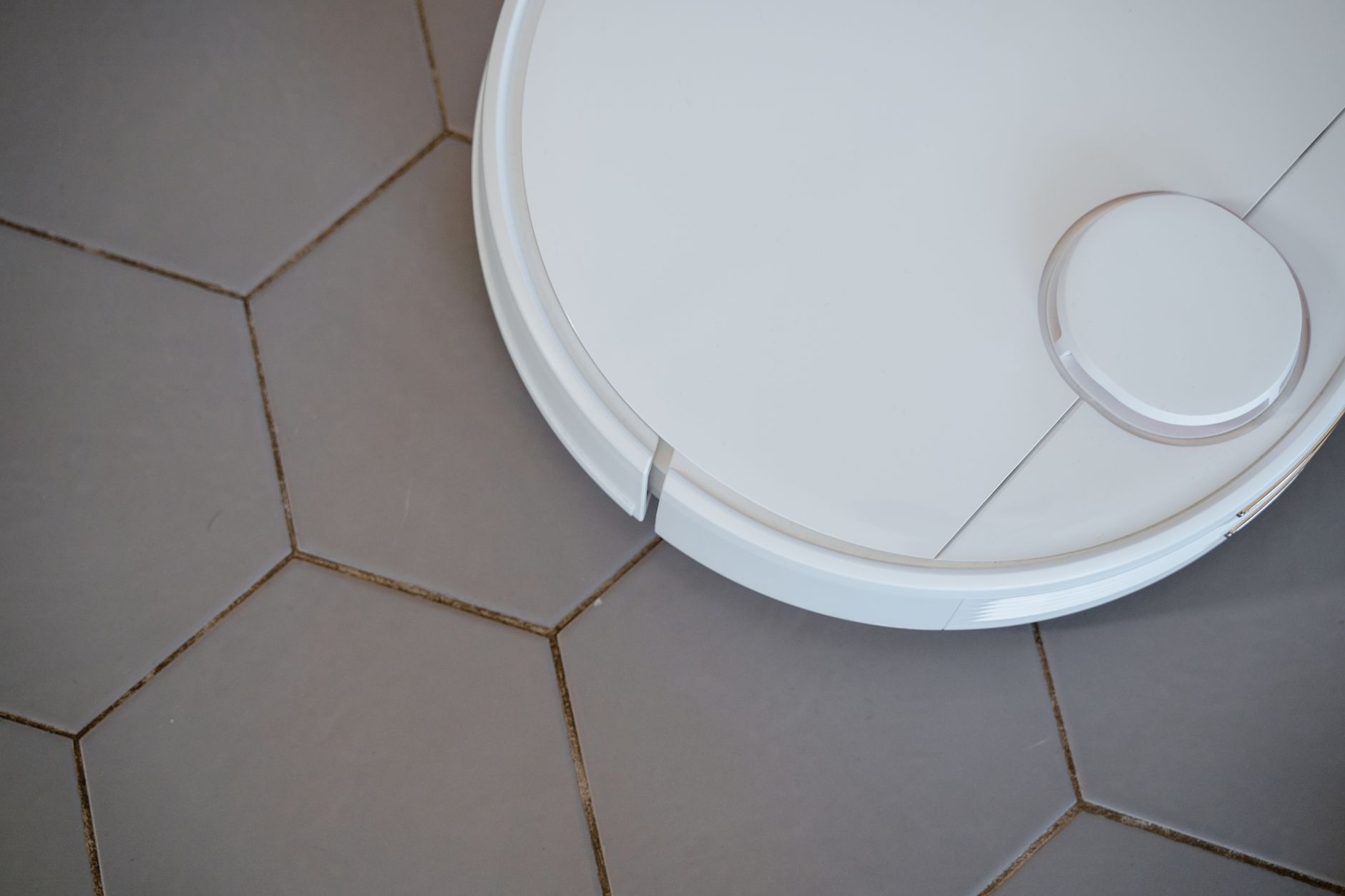
The Litter-Robot EVO represents a significant investment for cat owners looking to reduce daily litter box maintenance. Automatic litter boxes appeal to people with multiple cats, mobility constraints, or simple desire for less scooping—but the EVO’s price point means the decision warrants careful consideration of whether the features justify the cost for your specific household.
The EVO is Litter-Robot’s third-generation model and includes WiFi connectivity, a carbon filter, a safety sensor, and a waste drawer that holds approximately two weeks of litter for most single-cat households. The decision to purchase an automatic litter box often hinges on evaluating whether time savings and cleanliness standards offset the higher initial cost compared to traditional boxes. For multi-cat households or people with arthritis, back pain, or other mobility issues, automatic litter boxes can genuinely improve quality of life by removing the physical strain of daily scooping.
Table of Contents
- What Makes Automatic Litter Boxes Worth the Investment?
- Understanding the Features and Limitations of the EVO Model
- Health and Behavioral Considerations for Your Cat
- Evaluating Cost-Benefit for Your Household
- Mechanical Reliability and Maintenance Issues
- Comparing Automatic Boxes to Traditional Solutions
- Integration Into Your Existing Cat Care Routine
- Frequently Asked Questions
What Makes Automatic Litter Boxes Worth the Investment?
Automatic litter boxes use sensors and mechanical raking systems to remove clumped litter shortly after a cat uses the box, storing waste in a drawer below. The Litter-Robot EVO specifically uses a globe-shaped design that rotates after detection, which some cats find easier to use than traditional boxes because it offers more spatial freedom. The WiFi-enabled version sends notifications to your phone when the waste drawer is full or the unit malfunctions, giving you real-time awareness of your cat’s bathroom activity.
The practical advantage centers on frequency of scooping: while traditional litter boxes need daily attention and sometimes twice-daily for busy households or multiple cats, automatic boxes reduce that to emptying a drawer weekly or biweekly. For someone with arthritis who previously scooped twice daily, this can mean dramatic pain reduction. However, a drawback is that automatic boxes are louder than manual ones—the mechanical raking and rotating cycle produces a sound that can startle some cats or disturb sleep if the box is near bedrooms.
Understanding the Features and Limitations of the EVO Model
The Litter-Robot EVO includes features like a carbon filter that reduces odor, a nightlight for cats and owners, and a safety sensor that prevents the globe from rotating while a cat is inside. Its globe design means litter depth is less forgiving than a traditional box—if you use too much or too little litter, the sensors may not detect properly, requiring adjustment and experimentation. The waste drawer holds approximately 120 ounces of litter, which translates to roughly two weeks for a single cat but only 4-7 days for a three-cat household.
A significant limitation is that not all cats adapt to automatic litter boxes immediately. Some cats resist the noise and mechanical motion, and some refuse to use it entirely, requiring you to maintain a traditional backup box. Introducing an automatic box requires patience; experts recommend placing it alongside a traditional box for several weeks to allow gradual adjustment. Additionally, cats with diarrhea or digestive issues can overwhelm automatic boxes since the sensors are calibrated for normal clumping litter, and excessive waste can jam the mechanical system.
Health and Behavioral Considerations for Your Cat
Automatic litter boxes can actually provide health benefits by increasing monitoring of your cat’s bathroom habits. Frequent urination or diarrhea—warning signs of conditions like diabetes, hyperthyroidism, or urinary tract infections—become more obvious when you’re checking the waste drawer and receiving notifications. For elderly cats or those with medical conditions, this increased visibility helps you catch health changes earlier and communicate more accurately with your veterinarian about frequency and consistency.
However, the confinement inside the globe can stress anxious cats or those with claustrophobia, and some cats may hold their bladder or bowels longer rather than use an automatic box, creating health risks. Large breeds or cats with arthritis may struggle with entering the narrow globe opening. Kittens and very young cats generally should not use automatic boxes until they are at least five months old, as their smaller size doesn’t reliably trigger the sensors.
Evaluating Cost-Benefit for Your Household
The price of automatic litter boxes ranges from $200 for basic models to $500 or more for connected versions with app integration. When evaluating whether this makes sense, calculate your actual time savings: if you currently spend 10 minutes daily scooping and an automatic box reduces that to 5 minutes weekly for maintenance, you’re saving roughly 50 hours per year. Whether that time savings justifies a $400-500 investment depends on how you value your time and your household’s financial situation.
Multi-cat households see different economics than single-cat ones: the waste drawer fills faster, requiring more frequent emptying, which reduces the time-saving advantage. A person with severe mobility issues may find the investment immediately worthwhile because the alternative is asking family members to help with scooping or paying for cleaning services. Someone with a single indoor cat and good mobility may find a traditional box works fine and the money is better spent elsewhere.
Mechanical Reliability and Maintenance Issues
Automatic litter boxes require electricity and regular maintenance to function properly. The Litter-Robot EVO uses a motor and sensors that can fail, and replacement parts can be expensive—a replacement motor runs around $100, and sensor replacements are $30-50 each. The unit cannot operate during power outages, leaving you without a functioning litter box until power is restored, so you should always keep a traditional backup box available regardless.
Litter type affects performance significantly—the EVO specifically requires clumping litter and will not work properly with clay, crystal, or other litter types. Wet litter, scented litter, and litter with additives can clog the mechanism. If a cat strains to use the box or eliminates outside it due to discomfort or stress, they may evacuate while the mechanism is cycling, potentially causing mechanical jamming that temporarily disables the box until you clear the obstruction.
Comparing Automatic Boxes to Traditional Solutions
For someone considering whether to buy an automatic litter box versus hiring a pet sitter to scoop twice weekly, the math is relatively straightforward: most pet sitters charge $15-30 per visit, which means twice-daily scooping costs $30-60 weekly or $1,560-3,120 annually. An automatic box might pay for itself within the first six months if it eliminates the need for sitter visits.
For someone wanting to improve scooping frequency without the cost of hiring help, an automatic box provides that service automatically. Some cat owners compromise by combining an automatic box with one or two traditional boxes, allowing their cat choices while benefiting from some of the automatic box’s monitoring advantages. This approach works well in multi-cat households where one cat readily adapts while another refuses the automatic box entirely.
Integration Into Your Existing Cat Care Routine
Before committing to an automatic litter box, consider the practical logistics: you need a dedicated electrical outlet near where you want to place it, adequate space for the unit’s width and height, and somewhere to dispose of the waste drawer (most people use a small trash can or composting solution). The box produces moisture as litter absorbs urine, so placement on a moisture-sensitive floor like carpet requires a waterproof mat underneath to prevent damage.
The WiFi connectivity feature appeals to people who travel or have multiple properties, as they can monitor their cat’s elimination patterns remotely and know when the waste drawer is full before returning home. However, if your home WiFi is unreliable or you don’t have consistent internet, you lose this benefit and revert to checking the drawer manually—defeating some of the convenience argument for the more expensive connected model.
Frequently Asked Questions
How often do I need to empty the Litter-Robot EVO’s waste drawer?
For a single cat, plan on weekly to biweekly emptying. Multi-cat households may need to empty it twice weekly. The actual frequency depends on your cat’s size, diet, and health.
Can the Litter-Robot EVO work with any type of litter?
No. The EVO requires clumping litter and won’t function properly with clay, crystal, or non-clumping types. Scented and additive-heavy litters can also cause mechanical problems.
What happens if my power goes out?
The EVO won’t operate without electricity. The globe will be stuck in whatever position it’s in, making the litter box unusable until power is restored. Always keep a traditional backup box available.
Will my cat definitely use the automatic litter box?
No. Some cats refuse to use automatic boxes due to the noise, motion, or confined space. Have a traditional box available during the introduction period and be prepared for your cat to reject it entirely.
Is WiFi connectivity worth paying extra for?
Only if you travel frequently, have multiple cats you want to monitor, or believe real-time notifications about drawer fullness will actually change your behavior. If you’d check the drawer manually anyway, the basic model saves money.