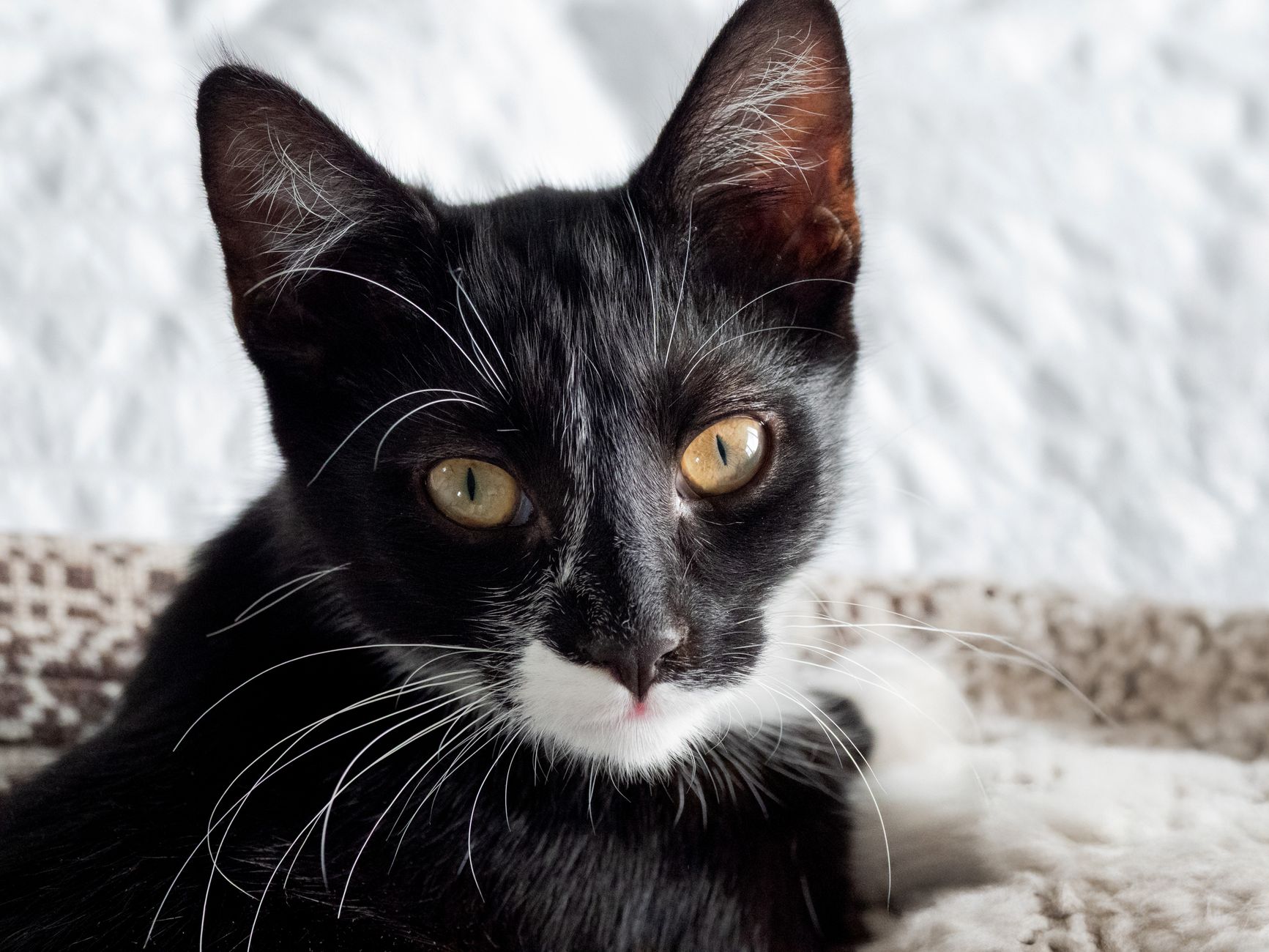
Professional feline matching services connect rescue cats with compatible adopters by thoroughly assessing both the cat’s personality and the household’s lifestyle, resulting in placements more likely to succeed long-term. Rather than simply browsing available cats online or at shelters, these services conduct detailed behavioral evaluations of rescue animals and gather comprehensive information about potential adopters—work environment, living space, other pets, experience level with cats—before making personalized recommendations. The process resembles a dating service for cats and people, designed to reduce adoption returns and ensure that the cat moving into your home is genuinely suited to your daily life.
For example, a professional matcher might identify that a shy, older tabby who needs a quiet environment would thrive with a retired couple, while an energetic, social kitten would be better matched with an active household where someone works from home. Most professional matching services operate through established rescue organizations, feline behavioral consultants, or specialized adoption agencies that have invested in training staff to recognize personality traits beyond surface-level observations. Unlike informal adoption through small local rescues or private rehomers, these services typically conduct multiple interactions with each cat, administer behavioral assessments, and maintain ongoing support even after adoption. The goal is straightforward: reduce the rate of failed adoptions by making informed, science-based recommendations rather than relying on first impressions or the cat’s appearance.
Table of Contents
- What Are Professional Feline Matching Services and How Do They Differ from Traditional Adoption?
- How Professional Matching Services Conduct Behavioral Assessments and Personality Evaluation
- Benefits of Professional Matching Services and Why Adopters Choose Them
- The Adoption Process Through Professional Feline Matching Services and What to Expect
- Common Challenges and Realistic Expectations When Working with Professional Matching Services
- Costs and Financial Considerations for Professional Adoption Services
- Post-Adoption Support and Long-Term Outcomes of Professional Matching
- Frequently Asked Questions
What Are Professional Feline Matching Services and How Do They Differ from Traditional Adoption?
Professional feline matching services go far beyond the standard shelter adoption model, where adopters often spend only a few minutes with a cat before committing. These services employ trained behaviorists or foster-based evaluators who spend weeks or months observing each rescue cat in different environments—foster homes, assessment centers, or actual shelter situations—to understand how the cat responds to stress, social interaction, handling, and changes in routine. They document behaviors like fear levels around children, tolerance for being picked up, reactions to other animals, and whether the cat prefers human companionship or solitude. This detailed behavioral profile becomes the foundation for matching recommendations.
Traditional shelter adoption, by contrast, relies heavily on shelter staff or volunteers making quick assessments during visiting hours, and many adopters make decisions based primarily on appearance or how a cat behaves during a single brief encounter. A cat that appears calm in a shelter visit might be terrified at home; another that seems withdrawn might simply be stressed by the noise and chaos of the shelter environment. Professional matching services aim to solve this problem by evaluating cats in conditions closer to real life, often including foster placements where volunteers provide ongoing behavioral observations in a home setting. The difference in information quality is substantial: a shelter might describe a cat as “friendly,” while a professional matcher might specify “affectionate with women but wary of men; needs a quiet household; does well with other cats but not with dogs.” Some professional matching services charge adoption fees for this additional assessment work, while others operate as nonprofit rescues where matching consultations are included in a standard adoption fee. Shelter adoption fees typically cover basic medical care but not behavioral consultation, meaning adopters receive far less guidance about whether a particular cat is right for their situation.
How Professional Matching Services Conduct Behavioral Assessments and Personality Evaluation
The behavioral assessment process typically begins with background information about each rescue cat’s history if it is known—prior living situation, how the cat came to be in rescue, any medical issues, and obvious trauma responses. Evaluators then observe the cat’s behavior across multiple contexts: how it responds to quiet environments, active households, handling by different people, and exposure to common household stimuli like vacuum cleaners, television, or doorbell sounds. Some services use formal assessment tools, while others rely on trained observers using consistent evaluation criteria. The goal is to identify not just basic temperament but specific triggers and thresholds—for instance, a cat might be fine with casual petting but panic if restrained, or it might be confident with one person but hide from another. Foster-based programs offer particular advantages because they place rescue cats in real homes for weeks before adoption, allowing evaluators to observe how a cat adapts to daily living. A foster parent might note that a cat bonds intensely with one family member but takes weeks to trust others, that it’s anxious during thunderstorms, or that it becomes destructive when left alone for more than a few hours.
This information would never emerge in a shelter environment. Some programs require foster families to complete detailed questionnaires and share photos or video clips as part of the assessment process, creating a paper trail of behavioral observations. However, not all foster-based rescues are equally rigorous; some use foster placement primarily for space and care rather than systematic behavioral evaluation. The quality and consistency of assessment varies significantly depending on the program’s training and resources. A limitation of behavioral assessment is that it cannot predict every situation. A cat that shows no aggression in assessment might still have a stressful reaction to a new living situation, a new person moving in, or a medical issue that emerges later. Professional matching services reduce the risk of poor matches but cannot eliminate the reality that adoption includes some uncertainty.
Benefits of Professional Matching Services and Why Adopters Choose Them
Adopters who use professional matching services often experience higher satisfaction rates and longer-lasting placements because they receive cats matched to their specific circumstances rather than cats selected based on visual appeal or availability. If you have young children, limited experience with cats, and a busy household, a professional matcher won’t recommend an anxious rescue that requires a calm, experienced owner. If you’re a quiet person living alone and work full-time, a matcher won’t place you with an extremely social cat that becomes destructive without constant attention. This reduces the frustration and guilt that comes from a failed adoption, where either the cat or the adopter decides the living situation isn’t workable. Professional matching services also provide ongoing support after adoption, which is a significant advantage. Many services offer behavioral consultation in the first weeks and months following adoption, helping new adopters navigate adjustments, address minor behavioral issues before they escalate, or modify their home environment to better suit their cat.
Some provide behavior hotlines, follow-up calls, or even in-home consultations. In contrast, a standard shelter adoption often ends the moment payment clears, leaving adopters to troubleshoot problems independently. A cat that hides for the first month after adoption might simply be adjusting to a new environment, but an adopter without guidance might interpret this as a sign of a behavioral problem or emotional damage, causing unnecessary stress. Another benefit is that professional services often serve cats with behavioral challenges or special needs—shy cats, older cats, cats with previous traumas—by taking the time to properly assess and communicate their needs to suitable adopters. A standard adoption process might overlook these cats or push them through to adopters unprepared for their requirements, resulting in quick returns to the shelter. Professional matching services specifically aim to find the right home for difficult-to-place animals.
The Adoption Process Through Professional Feline Matching Services and What to Expect
The adoption process typically begins with a detailed questionnaire about your household, lifestyle, living space, other pets, experience with cats, and what you’re looking for in an adopted cat. Questions might cover your work schedule, whether you have a yard, how you handle behavioral issues, your expectations for the cat’s behavior, and what would be deal-breakers if the cat exhibited certain traits. Some programs conduct phone or video interviews to clarify answers and assess whether the applicant is likely to be a responsible, committed adopter. This screening stage can take anywhere from a few days to a couple of weeks depending on the program’s volume and resources. Once your application is approved, the matching process begins. A professional matcher reviews your profile against profiles of available rescue cats and proposes options that fit your situation.
This might result in several possible matches, and you may have an opportunity to meet or visit with one or more candidates. Some services arrange trial periods where you take a cat home for a weekend to see how it adapts to your environment before committing to permanent adoption. This trial approach is a significant advantage over a single shelter visit, as it allows both you and the cat to experience realistic conditions. If the match isn’t working, the service takes the cat back without judgment; if it is working, you can proceed to adoption with confidence. The timeline from application to adoption varies widely. A nonprofit rescue might complete the process in two to four weeks, while a program with a long list of approved adopters seeking matches might take several weeks to a couple of months. Commercial matching services or specialized consultants might move faster or slower depending on their existing network of rescue cats and adopters.
Common Challenges and Realistic Expectations When Working with Professional Matching Services
Professional matching services do not guarantee perfect outcomes. A cat that matches a profile on paper might still have difficulty adjusting to a new environment, or an adopter’s expectations might not align with reality once they live with the cat. Some cats take months to fully adjust to a new home and reveal their true personality. An adopter who expects immediate gratification—a cat that immediately cuddles and shows affection—might be disappointed with a reserved cat, even if that cat is genuinely suited to a quiet household and will eventually form a strong bond over weeks or months. The mismatch happens not because the service failed but because expectations were unrealistic. Availability and access present another challenge. Professional matching services are not uniformly distributed across the country, and many are geographically limited.
If you live in a rural area or a region with few established rescues, you may have limited access to professional matching services. Some services do facilitate adoptions across states or regions by arranging transport, but this adds cost and complexity. In contrast, local shelters exist nearly everywhere, making standard adoption more accessible to people in less populated areas. Additionally, adoption fees through professional services can be higher than those through municipal shelters, sometimes ranging from $150 to $300 or more, particularly if the service includes behavioral consultation or special assessments. A significant limitation is that not all rescue cats are appropriate for professional matching services. Cats with undiagnosed medical or behavioral issues, very young kittens, or cats with limited history might not be assessed as thoroughly, simply because there isn’t enough information or time to conduct a full evaluation. Some services prioritize cats with longer rescue histories or known backgrounds over cats that arrived recently.
Costs and Financial Considerations for Professional Adoption Services
The cost of adopting through a professional feline matching service typically exceeds standard shelter adoption fees. A municipal shelter adoption might cost $50 to $100, covering basic medical care and administrative processing. Professional matching services often charge $150 to $300 or more for adoption, with the higher fees reflecting the cost of behavioral assessment, foster care, ongoing staff observation, and post-adoption support. Specialized matching consultants who work independently might charge consultation fees separate from adoption fees, ranging from $50 to $150 per hour, particularly if they conduct in-home evaluations or behavioral training.
Some services offer adoption subsidies or sliding-scale fees based on income, and many nonprofit rescues rely on donations to keep adoption fees lower. It’s worth researching whether a service offers fee flexibility or special programs for lower-income adopters. Additionally, factor in other adoption-related costs: veterinary check-ups, microchipping (sometimes included, sometimes not), pet insurance setup, and initial supplies. When comparing adoption options, consider the total cost as well as what’s included in the adoption fee.
Post-Adoption Support and Long-Term Outcomes of Professional Matching
The value of professional matching services extends into the weeks and months following adoption through behavioral support and follow-up care. Many services conduct follow-up calls or emails to check in on the cat’s adjustment, ask about any behavioral concerns, and offer guidance for common adjustment issues like house soiling, scratching inappropriate surfaces, or slow socialization with family members. This ongoing relationship distinguishes professional services from standard adoption pathways. If a behavioral issue arises—say, the cat is overly aggressive during play or refuses to use the litter box—the adopter can contact the service for advice rather than hoping online forums or personal research will solve the problem.
Data from long-term outcomes suggests that cats adopted through professional matching services experience lower return rates compared to cats adopted through general shelter channels. When adopters receive accurate information about a cat’s personality and specific support in the early weeks of adjustment, they’re more likely to work through typical adjustment challenges rather than give up. A cat that takes six weeks to adjust to a new home is much less likely to be returned if the adopter understands this is normal, rather than interpreting withdrawal as a sign of the match failing. Professional matching services provide this context and support, making a significant difference in adoption success.
Frequently Asked Questions
How long does the professional matching process typically take?
Most services complete the process from application to adoption in two to six weeks, though timelines vary depending on the service’s caseload, the number of available cats matching your profile, and whether trial periods are offered.
What if the match doesn’t work out after adoption?
Reputable professional matching services typically offer return policies, allowing you to bring the cat back within a specified period (often 30 days) without penalty, and they will work to find a better match or provide behavioral support to improve the situation.
Are professional matching services only for first-time cat adopters?
No, experienced cat owners also benefit from matching services, particularly those seeking cats with specific behavioral traits, energy levels, or compatibility with existing pets in their households.
Do professional matching services work with kittens, or primarily adult rescue cats?
Services vary; some specialize in adult rescue cats, while others include kittens and young cats in their programs. Professional matching is particularly valuable for adult cats and cats with known behavioral histories.
Can I request a specific breed or appearance through professional matching services?
Most services prioritize compatibility over breed or appearance, but you can communicate preferences. However, professional matchers may recommend against certain appearance-based preferences if they believe a different cat would be better suited to your home.
What happens if I’m matched with a cat and then can’t commit to adoption?
Policies vary, but most services allow withdrawals or request reassignment to another adopter if your circumstances change before finalization, though some may have cancellation fees.