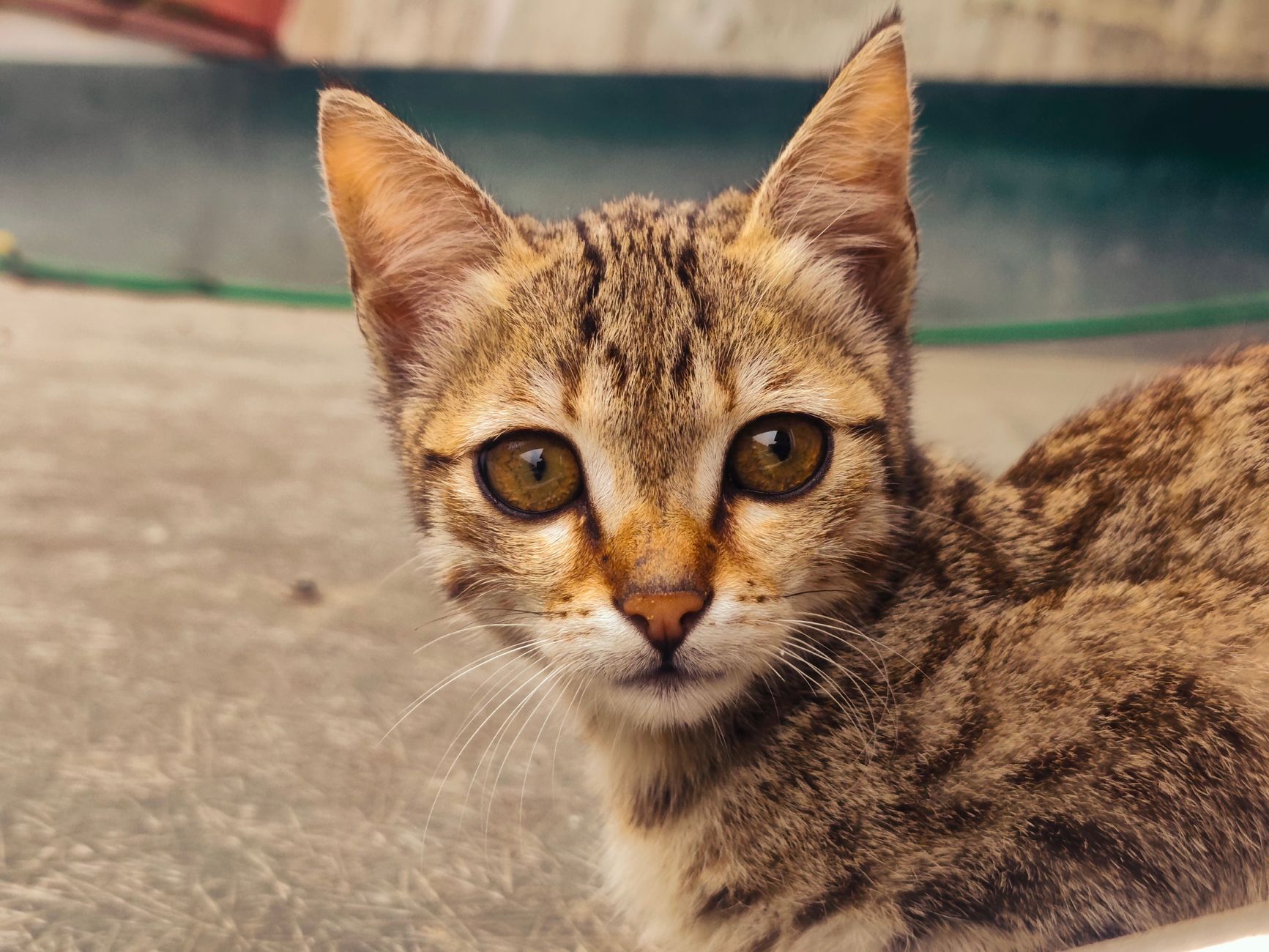
The Hello Kitty Megacafe concept represents a departure from traditional cat-focused entertainment in favor of a branded character experience centered on Sanrio’s iconic bow-wearing mascot. While Hello Kitty-themed establishments have operated in various locations, visitors seeking actual feline content should understand that these cafes prioritize the fictional character brand and merchandise sales over live animal encounters or educational cat content.
For those exploring cat-themed destination venues, it’s worth distinguishing between animal cafes that feature living cats and character-branded establishments that celebrate a corporate mascot through design and merchandise. The appeal of themed destination cafes lies in their immersive environment design rather than substantive engagement with actual cats. The Sanrio brand has successfully created a global following around Hello Kitty imagery, from product licensing to experiential venues, though the connection to real feline appreciation remains largely aesthetic rather than educational or behavioral.
Table of Contents
- What Makes Themed Character Cafes Different From Traditional Cat Establishments
- Design and Themed Environment Expectations
- Visitor Experience and Engagement Patterns
- Comparing Character Cafes to Animal-Focused Alternatives
- Merchandise Focus and Commercial Pressures
- Social Media Impact and Visitor Motivations
- Practical Considerations for Potential Visitors
What Makes Themed Character Cafes Different From Traditional Cat Establishments
Themed cafes built around licensed characters operate fundamentally differently from cat rescue cafes or animal sanctuaries that prioritize living animal welfare. Character-branded venues focus on consistent brand presentation, merchandise opportunities, and Instagram-ready environments rather than animal behavior observation or enrichment. A Hello Kitty-themed space applies the character’s aesthetic to every surface—from tableware to wall graphics—creating a cohesive branded experience that reinforces the corporate identity rather than celebrating the characteristics of actual cats.
The business model of character cafes relies heavily on novelty and merchandising, meaning items for purchase often occupy significant floor space. Visitors expecting a cat-centric educational experience will instead encounter abundant retail opportunities featuring plush toys, apparel, and collectibles. This prioritizes revenue generation over the kind of animal observation or behavioral learning that distinguishes genuine cat cafes in Asia or specialty feline establishments.
Design and Themed Environment Expectations
Character-themed destination cafes employ intensive visual theming to justify premium pricing, with every element selected to reinforce brand recognition. Wall colors, furniture choices, dishware, and staff uniforms typically coordinate around the character’s established color palette and design language. While this creates a cohesive visual experience, it also means the environment remains static and commercially controlled rather than reflecting the organic nature of cat spaces designed around actual animal habitats.
One significant limitation of heavily themed environments is that they can feel contrived to visitors with stronger interest in authentic animal interactions. The decorative overlay, while polished, prioritizes aesthetic consistency over functional comfort or the kind of casual charm that develops in spaces where live animals genuinely inhabit the environment. Additionally, themed cafes often feature dense populations of visitors during peak hours, reducing the quiet observation opportunities that distinguish successful cat cafes.
Visitor Experience and Engagement Patterns
Visitors to character-themed cafes typically spend time photographing the environment and merchandise rather than sitting for extended periods observing animal behavior. The experience centers on collecting photo opportunities and purchasing branded items rather than the contemplative observation possible in spaces with living animals. Many guests spend their time at tables arranged for visibility to Instagram-worthy backdrops rather than comfortable seating positioned for animal interaction.
The age demographic of character cafe visitors tends to skew younger and toward collectors familiar with the specific brand, rather than the mixed-age audiences that visit established animal cafes. This shifts the social dynamic from one focused on shared animal appreciation to one centered on brand fandom and merchandise acquisition. The pricing structure of themed venues—typically charging per visit rather than per food or beverage purchase—reflects their position as experience destinations rather than casual dining establishments.
Comparing Character Cafes to Animal-Focused Alternatives
A meaningful comparison reveals substantial differences between character-themed establishments and facilities prioritizing actual animal welfare. Traditional cat cafes in Japan, South Korea, and Thailand maintain strict animal interaction protocols, limit visitor numbers to prevent stress, and employ staff trained in feline behavior. The revenue model supports animal care directly, whereas character cafes allocate most operational resources to brand consistency and retail management.
Someone seeking genuine cat interaction and behavioral observation would find an animal-focused establishment far more aligned with those goals than a character-branded venue. The tradeoff for visiting a themed destination involves accepting a primarily commercial experience with minimal authentic animal engagement in exchange for an immersive branded environment. This isn’t inherently negative—many visitors understand and appreciate this transaction—but it represents a fundamentally different value proposition than establishments organized around actual cat welfare and interaction.
Merchandise Focus and Commercial Pressures
The revenue structure of character-themed cafes creates inevitable pressure toward extensive merchandising that can overwhelm the casual visitor. Nearly every surface available for retail display typically contains products, from wall shelves to tabletop fixtures. This creates a shopping-centric atmosphere that differs sharply from animal cafes where the living animals themselves comprise the primary draw and merchandise remains secondary if present at all.
Staff in branded character establishments often receive targets for merchandise sales as part of their employment metrics, which can influence their approach to customer interaction. Unlike animal cafe staff whose expertise centers on feline behavior and enrichment, character cafe employees focus primarily on brand knowledge and sales techniques. A significant warning for visitors: this commercial structure means the experience is optimized for revenue extraction rather than visitor satisfaction or animal welfare, which should inform expectations about value and authenticity.
Social Media Impact and Visitor Motivations
Character-themed cafes have become popular destinations specifically because they photograph well and generate social media engagement. The heavily designed environment creates built-in photo opportunities that visitors feel compelled to document, which drives the venue’s free marketing through user-generated content.
This dynamic reinforces the priority given to visual design over substance or authentic animal interaction, as the most “successful” visits—from the venue’s perspective—are those that produce shareable images. The social media incentive has also inflated visitor expectations about exclusivity and specialty experiences at these venues, when the reality often involves crowded conditions and standardized retail experiences replicated across multiple locations. Visitors often discover that their premium admission price primarily purchases access to a branded environment rather than unique or personalized interactions.
Practical Considerations for Potential Visitors
Anyone considering a visit to a character-themed cafe should clarify in advance whether live animals are present and what interaction opportunities actually exist. The term “cafe” implies a dining establishment, but many character venues operate more as gift shops with food service, meaning meal quality and variety may be limited.
Visiting during off-peak hours significantly improves the experience by reducing crowding and allowing more time to appreciate the environment rather than navigating through visitor congestion. The experience works best for visitors already familiar with and enthusiastic about the character brand, who approach the venue as a celebration of that fandom rather than as an animal café or primary dining destination. Those seeking genuine cat interaction, behavioral observation, or authentic café experiences would find their time and money better invested in actual animal-focused establishments or independent cafes prioritizing hospitality over branded merchandise.
- —