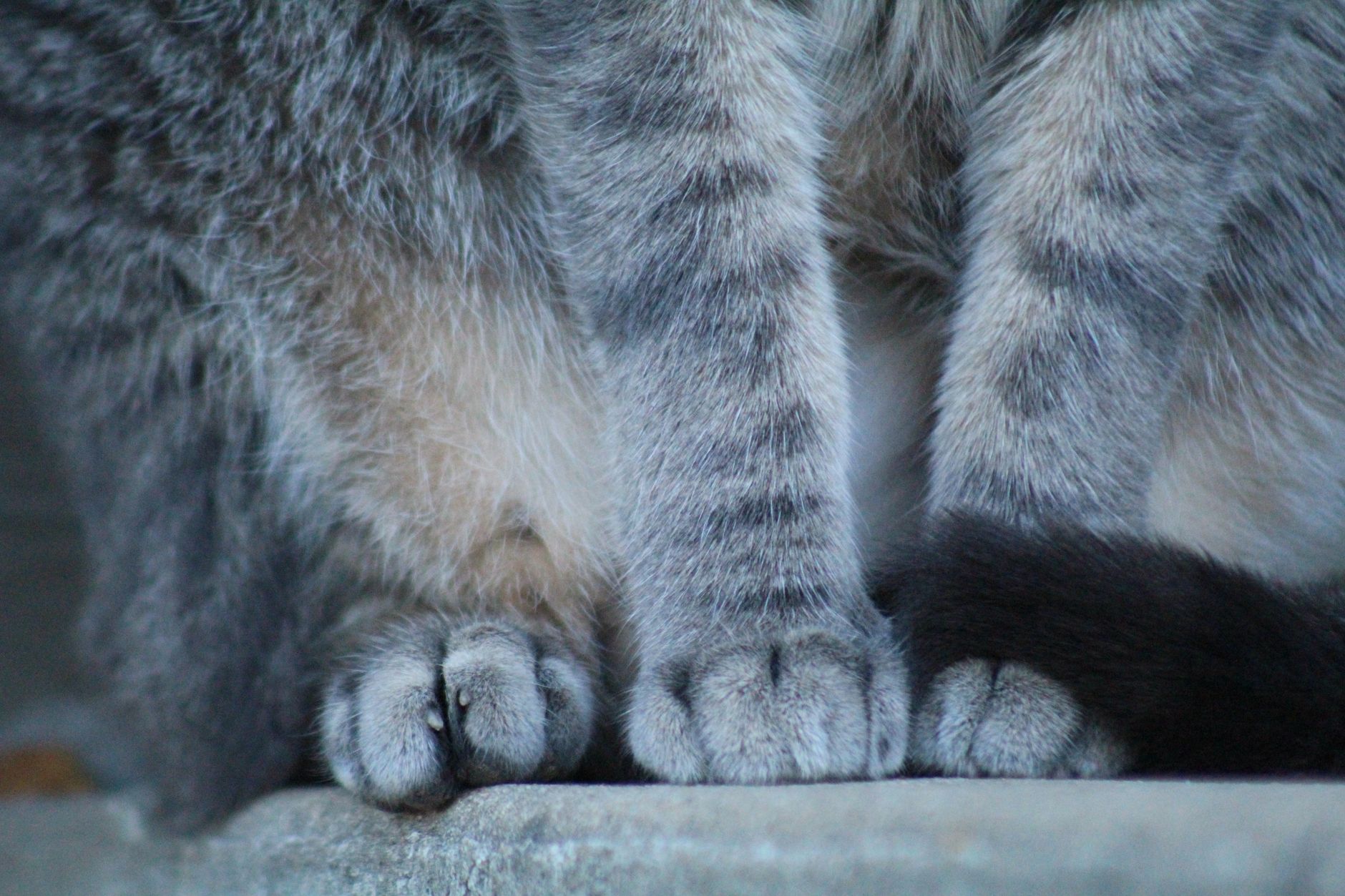
Adoption events dedicated to rescue kittens play a vital role in connecting shelter animals with households seeking feline companions. At these events, prospective families can meet kittens face-to-face, ask questions about individual animals, and begin the adoption process on the same day. Rather than browsing profiles online or visiting a shelter during limited hours, adoption events bring multiple cats together in accessible venues—sometimes at pet supply stores, community centers, or outdoor spaces—where adopters can see how different kittens interact with people and each other. The adoption event model accelerates placement for young cats that might otherwise wait weeks in shelter environments.
A kitten that displays fearfulness, high energy, or minor behavioral quirks can be matched with an adopter whose lifestyle and expectations align, since event staff and volunteers are present to explain each animal’s background and personality. For example, a bouncy, play-intensive kitten might overwhelm a quiet household but thrive with an active family or one planning to adopt multiple cats for companionship. These events also serve educational functions beyond matching cats to homes. Staff explain vaccination schedules, behavioral expectations for young animals, and the commitment required for a 15 to 20-year lifespan. Attendees learn about common kitten health issues, the importance of spaying and neutering, and integration practices for bringing a rescue into an existing household with other pets.
Table of Contents
- What Happens During a Rescue Kitten Adoption Event
- Preparing Your Home and Life for a Rescue Kitten
- Understanding the Background and Behavior of Rescue Kittens
- First Weeks and Adjustment Expectations
- Common Medical and Behavioral Challenges
- Creating a Supportive Environment Beyond Adoption
- The Adoption Decision as a Long-Term Commitment
What Happens During a Rescue Kitten Adoption Event
Adoption events vary widely in structure, but most follow a similar flow. kittens are housed in temporary enclosures or play areas where visitors can observe them, hold them, and ask volunteers about their histories. Staff typically maintain records on each animal—noting age, vaccination status, any known behavioral tendencies, and health considerations. Some events include a brief meet-and-greet process where the adopter and kitten interact under supervision before an adoption agreement is finalized. The logistics matter significantly for both animals and adopters. Events held in cool, quiet spaces tend to produce calmer animals than those in loud, chaotic environments.
A kitten stressed by noise and commotion may behave withdrawn or reactive at the event but display entirely different temperament at home after settling in. Conversely, a kitten that seems subdued during a hectic event might have been resting from overstimulation rather than showing its true nature. This mismatch between event behavior and home behavior is one reason adoption staff encourage multiple visits before finalizing the decision. Most reputable adoption events require completion of an application form, even for same-day adoptions. This protects animals by screening for basic care commitments and identifying red flags—such as a history of animal neglect or an unsuitable living situation like a landlord who prohibits cats. Some events conduct home visits or require references from veterinarians, though many smaller organizations skip these steps due to resource constraints.
Preparing Your Home and Life for a Rescue Kitten
Before an adoption event, prospective adopters benefit from assessing their household readiness rather than choosing a kitten on impulse. This involves identifying quiet spaces for the animal to decompress, establishing litter box placement away from food and water, and removing hazards like toxic plants, dangling cords, and small objects that pose choking risks. Young rescue kittens, in particular, require spaces where they can retreat when overwhelmed—a cardboard box, cat tree, or closed bedroom serves this purpose during the critical first weeks. A major limitation of rescue adoption is incomplete history. Unlike kittens born in your home or purchased from breeders, shelter kittens’ backgrounds are often unknown. A kitten may have experienced neglect, abuse, or hoarding conditions, resulting in behavioral or medical complications that emerge weeks or months after adoption.
Respiratory infections, parasites, or anxiety disorders may manifest only after the kitten leaves the event environment. Budget for veterinary care beyond basic vaccinations, and prepare emotionally for the possibility that your kitten may require behavioral support or medication. Household composition matters too. A rescue kitten entering a home with rambunctious children or anxious dogs requires gradual introductions and supervision—not immediate full-house access. Multi-cat households need separate resources (litter boxes, food bowls, hiding spaces) to prevent resource guarding and territorial conflict. The assumption that a young kitten will naturally integrate with existing pets often fails; many adoption returns occur because of unanticipated tension between animals.
Understanding the Background and Behavior of Rescue Kittens
Rescue kittens come from diverse circumstances. Some are born to community cats in shelters and have never lived in a home. Others were surrendered by families, came from hoarding situations, or were found as strays with minimal human contact. These different origins create different behavioral profiles. A kitten born in a shelter may be well-socialized to handling but unfamiliar with household sounds like vacuum cleaners or dishwashers; a stray kitten may be fearful of hands but quickly learn that reliable food means safety. Developmental timing influences behavior significantly.
Kittens socialized to human touch between ages two and eight weeks typically adjust faster to homes, while those with minimal contact during this window may remain fearful or defensive indefinitely. A rescue event cannot always provide this information, and staff may not know the difference between a naturally reserved kitten and one displaying fear-based withdrawal. Without this context, an adopter might misinterpret a traumatized kitten’s behavior as disinterest, leading to incorrect placement. Behavioral warning signs at adoption events warrant caution but not automatic rejection. A kitten that hisses, swats, or refuses handling during the event may be terrified rather than aggressive, and may become affectionate within weeks of consistent, pressure-free contact in a quiet home. Conversely, a kitten that’s friendly and playful at an event but displays resource-guarding aggression over food once adopted reveals a side of its personality that wasn’t evident in the public setting. Realistic expectations about behavioral change—and the possibility that your kitten may never fully relax—prevent disappointment and inappropriate returns.
First Weeks and Adjustment Expectations
Bringing a rescue kitten home marks the beginning of an adjustment period that extends far beyond the first day. Many adopters expect immediate bonding, but rescue kittens often require two to four weeks (or longer) before exhibiting their true personalities. During this time, a kitten may hide, avoid interaction, display health issues previously masked by stress, or behave differently than it did at the adoption event. This transition is normal and does not indicate a bad match. Confining a new rescue kitten to a single room for the first week—rather than immediately allowing full-house access—dramatically improves adjustment outcomes.
A small, controlled space reduces sensory overwhelm, helps establish litter box habits, and allows the kitten to build confidence before navigating stairs, multiple rooms, or existing pets. Providing a window perch, hiding box, and toys creates enrichment without overstimulation. Minimal handling during this period, combined with consistent feeding and litter box routines, signals safety to an anxious animal. The comparison between a new rescue kitten and one raised in a home since birth highlights the adoption advantage: a rescue often requires patience up front but becomes a deeply bonded companion once trust is established. However, some adopters lack this patience or misinterpret the kitten’s caution as rejection, leading to early returns. Shelter and adoption organizations recognize this pattern and often waive return policies after a few days of the kitten’s arrival to prevent panic-driven decisions made before genuine integration begins.
Common Medical and Behavioral Challenges
Rescue kittens frequently arrive with untreated medical issues. Respiratory infections (often feline calicivirus or herpesvirus) are endemic in shelter environments and may be incubating in a kitten you adopt; symptoms appear a few days or weeks after arrival. Parasites—intestinal worms, fleas, and ear mites—are nearly universal. Even kittens vaccinated at the event may not yet have immunity, and previously unvaccinated animals require a full series. These medical realities mean adoption is not the end of financial responsibility; it’s the beginning of significant veterinary investment. Behavioral regression is another common challenge. A kitten that was litter-trained at the shelter may develop elimination problems at home due to stress, insufficient litter boxes, or sensitivity to new litter texture.
Fear of loud noises, people, or other pets can manifest as aggression, excessive hiding, or destructive behavior. Some rescue kittens exhibit signs of early trauma—flinching at sudden movements, difficulty taking treats from hands, or extreme reactions to routine handling. These behaviors often resolve with time, but require informed, patient owners willing to work with the kitten’s pace rather than forcing interaction. A significant limitation of rescue adoption is the potential for previously undiagnosed genetic or developmental issues. Kittens with feline leukemia, feline immunodeficiency virus (FIV), or heart defects may not show symptoms at an adoption event or for months afterward. Some rescue organizations require testing; many smaller operations do not. Without this information, adopters may inadvertently bring home an animal with significant health needs that justify the rescue’s decision to place it at a reduced cost or free adoption fee. Clarifying what medical screening the organization has conducted is essential.
Creating a Supportive Environment Beyond Adoption
A rescue kitten’s long-term wellbeing depends on environmental consistency after the adoption event concludes. Enrichment—vertical spaces like cat trees, interactive toys, and scheduled play sessions—prevents boredom-induced destructive behavior and helps channel the kitten’s predatory energy appropriately. A kitten with access to only flat surfaces and minimal stimulation may resort to attacking hands, climbing curtains, or knocking objects off shelves. An environment designed for feline needs reduces behavior problems that contribute to later returns or rehoming.
Veterinary relationships are critical. Finding a veterinarian who sees shelter animals regularly and understands behavioral issues in rescued kittens makes a significant difference in addressing medical and behavioral challenges as they arise. Some vets have experience with fearful animals and use low-stress handling; others approach all cats identically, potentially reinforcing fear in a rescue kitten. The investment in finding the right veterinary partner often determines whether early challenges resolve or escalate into permanent behavior patterns.
The Adoption Decision as a Long-Term Commitment
Choosing to adopt a rescue kitten from an event commits you not only to feeding and housing the animal, but to navigating its unique behavioral and medical trajectory. This commitment extends through illnesses, behavioral challenges, and the inevitable costs of veterinary care, medication, and behavioral support. An adoption event may present a kitten that seems perfect in a 20-minute interaction, but the reality of living with that animal over 15 to 20 years often includes unexpected complexities.
The decision to adopt should be made deliberately rather than emotionally. A kitten that captured your heart at an adoption event might be deeply mismatched for your household once the excitement fades and daily reality sets in. Conversely, a kitten that seemed less appealing at the event—perhaps shy, overlooked, or energetic—might become an exceptional companion in a home designed for its specific needs. Taking time to reflect after an event, consulting with adoption staff about your lifestyle and expectations, and being honest about your capacity for behavioral patience produces better outcomes than impulsive adoption followed by remorse and return.
- —