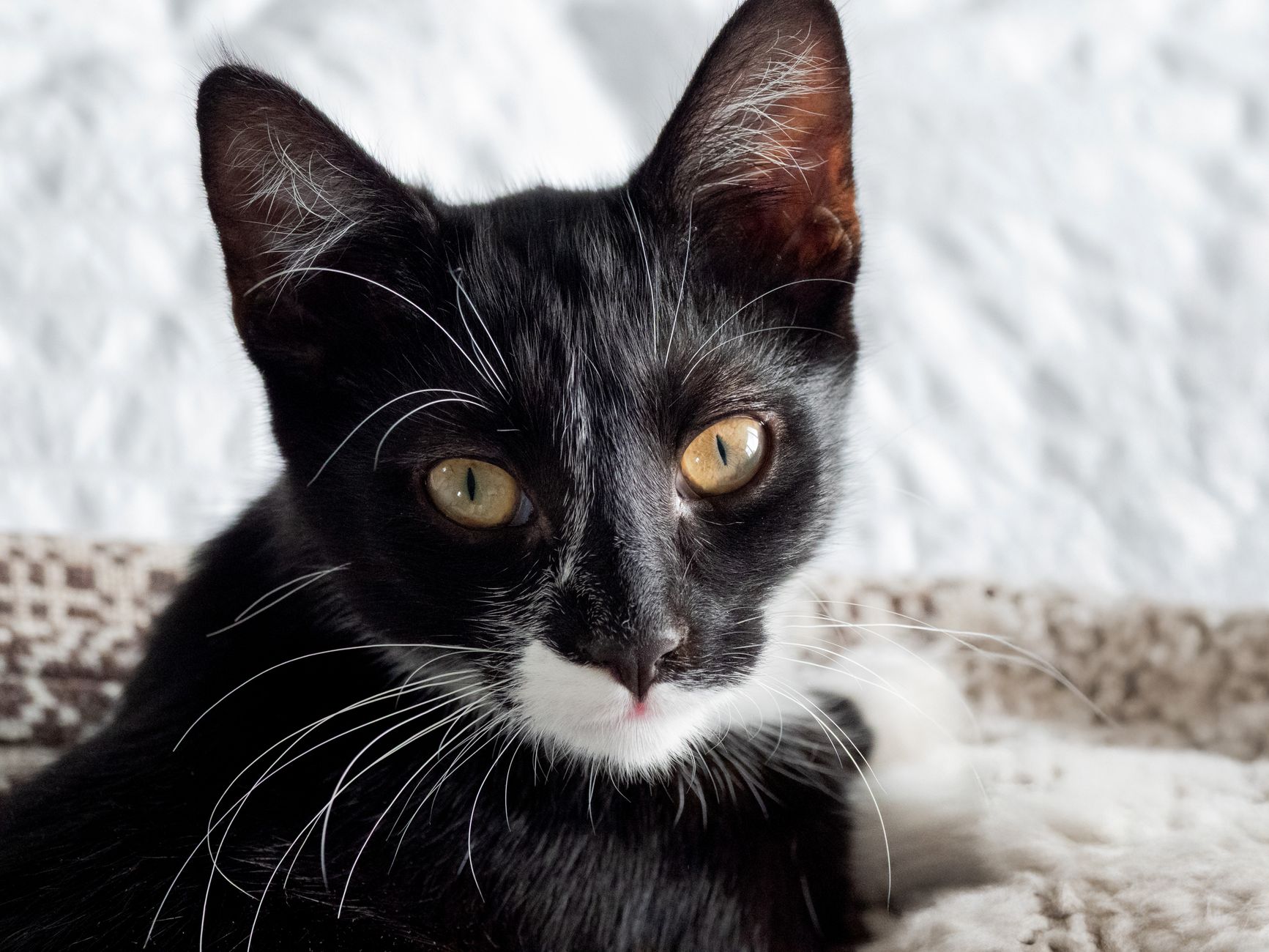
Yes, rescue parrots and house cats can and do form genuine friendships, as evidenced by the increasing number of videos showing these unlikely pairs interacting peacefully and even affectionately. These cross-species bonds develop when both animals are introduced properly, have compatible temperaments, and live in an environment where they feel safe around each other. A parrot and cat may spend hours near one another, engage in mutual grooming or play-like behaviors, and show signs of recognizing and preferring each other’s company over solitude. The appeal of these videos lies partly in how unexpected such friendships seem.
Cats are obligate carnivores with hunting instincts, while parrots are prey animals with defensive behaviors. Yet individual personalities matter far more than species membership. A calm, socialized cat raised around birds and a confident, well-adjusted parrot can develop a bond based on curiosity, companionship, and the simple fact of spending time together in a shared home. Such friendships reveal something important for cat owners considering multiple pets: success depends on how animals are introduced, their individual histories, and the human’s commitment to managing their safety and needs—not on whether a “rule” says these species should fight.
Table of Contents
- Can Parrots and Cats Actually Coexist Peacefully?
- How Do Cats Actually View Parrots as Potential Friends?
- What Does Feline Body Language Reveal About Interspecies Acceptance?
- Creating a Safe Environment for Cats and Parrots
- Hidden Dangers and Health Risks in Multi-Species Homes
- What Viral Videos Don’t Show About Daily Life
- Building Real Bonds Between Different Species
Can Parrots and Cats Actually Coexist Peacefully?
Yes, parrots and cats can coexist peacefully, though not every pair will become close friends. Success hinges on several factors. The cat’s prey drive, developmental history, and individual tolerance for unpredictable stimuli all matter. A cat raised around birds from kittenhood learns that parrots are not food. A cat with a high prey drive or no early bird exposure may struggle, regardless of the parrot’s friendliness. Similarly, a parrot’s temperament—whether it’s bold or anxious, hand-raised or wild-caught—shapes how it responds to a feline in the home.
Many successful multi-pet households have both cats and parrots, though they manage them carefully rather than assuming compatibility will emerge on its own. A skittish or defensive parrot living with an aggressive cat experiences chronic stress, which damages both animals’ health and wellbeing. Conversely, a confident parrot and a laid-back cat may genuinely enjoy each other’s presence, initiating contact and appearing to seek interaction. The difference lies in individual pairing, not in species incompatibility. The most common successful scenario involves an adult cat with a proven track record around birds and a parrot with confident body language and strong socialization. Kittens and young parrots raised together have slightly higher odds of bonding because neither has yet developed rigid behavioral patterns around the other species.
How Do Cats Actually View Parrots as Potential Friends?
cats perceive parrots through multiple sensory lenses: as moving objects, as creatures with unpredictable behavior, and sometimes as prey. A parrot’s sudden movements, loud vocalizations, and ability to fly trigger a cat’s predatory attention. However, repeated, safe contact without any successful “hunting” opportunity can shift a cat’s perception from “prey animal” to “household housemate” or even “interesting companion.” This shift happens gradually and requires that the parrot never reinforces predatory interest by running, hiding, or showing fear—behaviors that activate a cat’s chase drive. A key limitation of cat-parrot friendships is that they’re not emotionally reciprocal in the way two cats or two dogs might bond. A cat doesn’t experience friendship the way a human does; it experiences proximity, predictability, and the absence of threat or competition.
From the parrot’s perspective, a non-aggressive cat is a non-predatory presence, which allows curiosity and comfort to develop. The resulting “friendship” is real in behavioral terms—the animals genuinely interact and seek each other out—but it operates under different motivations than human friendships or same-species bonds. Stress and misalignment are common risks. A cat that displays stalking behavior or a parrot that screams constantly in the cat’s presence may coexist but not truly bond. viral videos typically showcase the best-case scenarios, not the many households where these animals tolerate each other at best.
What Does Feline Body Language Reveal About Interspecies Acceptance?
A cat’s body language offers clear signals about its readiness to coexist peacefully with a parrot. Relaxed ears, soft eyes, a slowly swishing tail (or no tail movement at all), and a loose, natural posture indicate comfort. A cat that sits calmly while a parrot is nearby, or that approaches the parrot without crouching or stalking movements, has shifted into a “non-predatory” frame of mind. Some cats even display play behavior with parrots—batting gently, lying near them, or appearing to initiate contact without aggression. Warning signs include intense staring, crouching in a hunting position, tail swishing sharply, ears pinned back, or any attempt to corner or chase the parrot.
Even a single incident of genuine predatory behavior—a successful grab, a serious wound, or a sustained hunting attempt—can traumatize a parrot and make future cohabitation unsafe. Once a cat succeeds in injuring a parrot, the relationship cannot be repaired; the parrot’s fear will be constant, and the cat has learned that parrots are catchable prey. Body language is also bidirectional. A parrot that fluffs its feathers, makes threat displays with its beak, or attacks the cat is showing the opposite of friendship. The cat may eventually avoid the parrot out of learned wariness, not out of acceptance. True cohabitation means both animals can be in the same room without defensive escalation from either side.
Creating a Safe Environment for Cats and Parrots
If you own both a cat and a parrot, environmental design prevents disasters and enables peaceful coexistence. The parrot’s cage or perch must be positioned where the cat cannot access it, knock it over, or reach through the bars. Many parrot owners place the perch high on a bookshelf, a dedicated stand away from jumping-off points for cats, or in a separate room with a closing door. This setup ensures that even on a bad day, when either animal is stressed or reactive, physical safety is guaranteed. Feeding areas should be separate. A cat and parrot eating in the same space creates resource-guarding tension and raises the risk of the cat investigating the parrot’s food as potential prey.
Separate feeding times and spaces are easier to manage and less stressful for both animals. Similarly, litter boxes should be far from the parrot’s area—not only for hygiene and parasite prevention, but because a parrot near a litter box may become stressed or develop respiratory issues from dust and odors. Supervision is essential when both animals are in shared spaces. Even a bonded pair should not be left unsupervised for extended periods. A cat’s mood can shift suddenly, illness or pain can change behavior, and a startled parrot might trigger predatory responses. Experienced multi-pet owners treat cohabitation as an ongoing responsibility, not a set-it-and-forget-it arrangement.
Hidden Dangers and Health Risks in Multi-Species Homes
Cats and parrots expose each other to distinct health hazards. A cat’s saliva contains bacteria (Pasteurella multocida and others) that can cause severe infections if a parrot is scratched or bitten, even superficially. A parrot bite or claw wound on a cat can introduce similar pathogens. Beyond direct injury, a stressed parrot may develop behavioral issues—feather plucking, aggression, or loss of appetite—which are difficult to reverse even if the stressor (the cat) is removed. Another serious risk is toxin exposure. Cats use certain flea treatments, heartworm preventatives, and medications that are toxic to parrots if accidentally ingested or inhaled.
Some household items safe for cats—certain plants, cleaning products, non-stick cookware fumes—are highly toxic to parrots. A household with both species must navigate competing safety requirements, and mistakes can be fatal. A parrot poisoned by fumes from a cat’s flea collar or a cat injured by ingesting a parrot’s medication represents a catastrophic management failure. Parasites also cross species barriers selectively. While a parrot cannot contract feline diseases, external parasites or contaminated food and water can affect both animals. Regular veterinary care for both species is non-negotiable, including screening for zoonotic risks.
What Viral Videos Don’t Show About Daily Life
Viral videos present short, polished moments—a parrot perched on a cat’s back, both animals sitting calmly together, or gentle interactions that delight viewers. These videos don’t show the months of careful management, failed introduction attempts, or the significant time investment required to build trust. They also don’t show the cat that walked away bored, the parrot that hated the cat on sight, or the households where cohabitation works at best and fails at worst.
Many of these videos feature animals with exceptional temperaments, which is precisely why they went viral—they represent outliers, not the norm. A cat and parrot in an average home may never develop visible affection. They may simply coexist without incident, which is a legitimate success and doesn’t need an audience to be meaningful.
Building Real Bonds Between Different Species
If you’re introducing a cat and parrot, expect the process to take weeks or months, not days. Begin with the animals in separate spaces, allowing them to smell each other under a door and hear each other’s sounds without visual contact. Gradually allow supervised visual contact from a distance—the parrot in its cage or on a high perch, the cat on the floor at a remove. Watch for relaxed behavior from both animals before moving to closer proximity.
Positive associations accelerate bonding. Feeding treats near each other (at a safe distance), playing in the same room, and rewarding calm behavior with attention and enrichment help both animals associate the other’s presence with good things. A cat rewarded for sitting quietly while the parrot forages nearby learns to value that coexistence. A parrot that receives treats while the cat is visible learns that the cat’s presence is neutral or positive. Never rush this process or assume that a single calm interaction means the animals are ready to be unsupervised together.