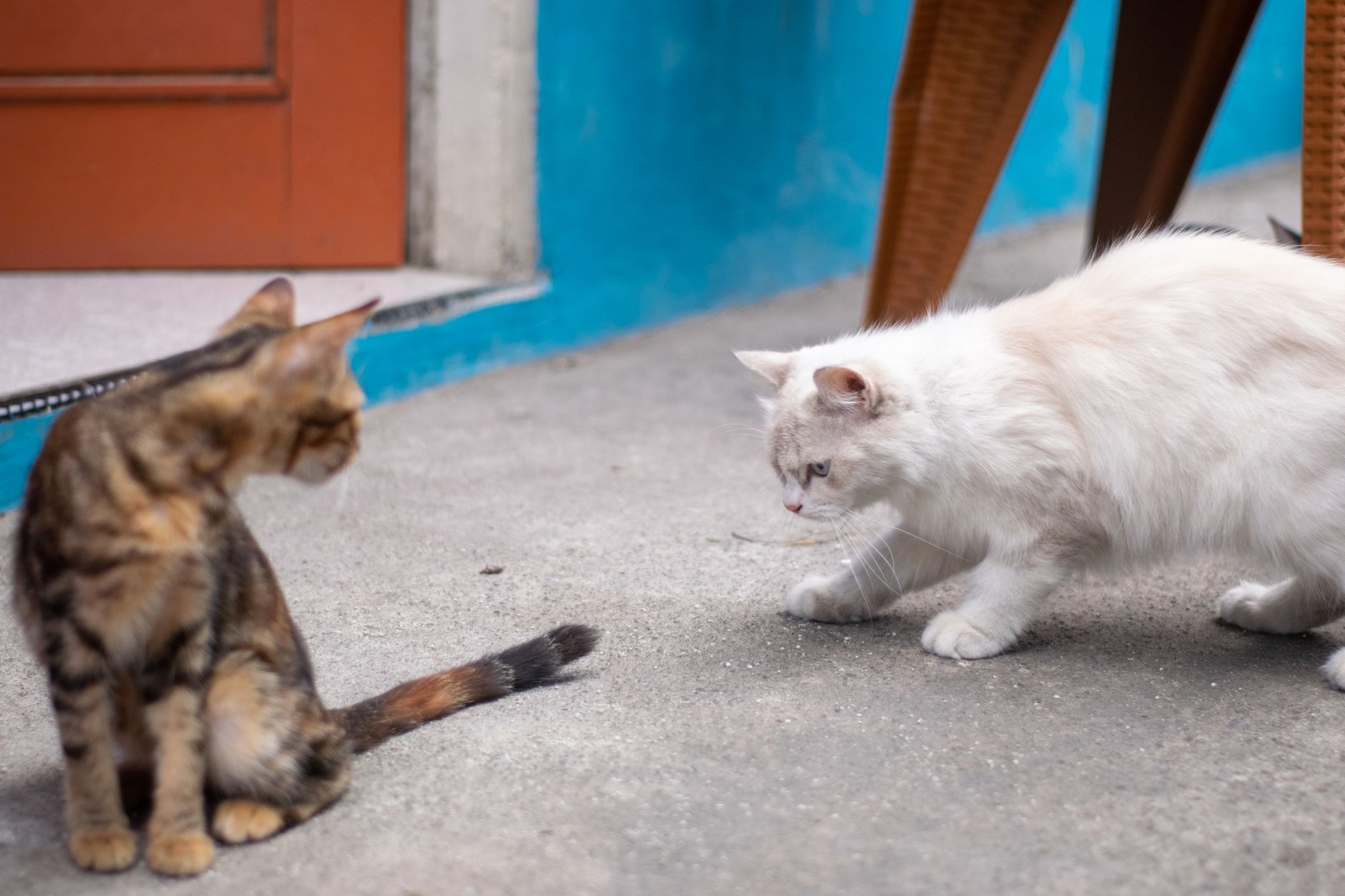
Military families deploying overseas can arrange temporary foster care for their cats through specialized national organizations that match pets with screened volunteer homes at no cost to service members. Operation Foster, run by PACT for Animals, and Guardian Angels for Soldier's Pet, an all-volunteer 501(c)(3) nonprofit, have helped thousands of military pet owners keep their cats safe during deployments, training, or medical absences since 2010. These programs exist because military deployment timelines can stretch from months to years, and finding appropriate temporary care before departure is critical. Both organizations handle the matching process and coordinate placement to minimize the stress on your cat and your family.
Table of Contents
- Organizations That Help Military Families Place Cats in Foster Care
- How the Application and Foster Matching Process Works
- Costs and Financial Support During Foster Care
- Preparing Your Cat for Foster Placement
- What to Expect While Your Cat Is in Foster Care
- Reuniting With Your Cat After Deployment
- Frequently Asked Questions
Organizations That Help Military Families Place Cats in Foster Care
Three main networks connect military cat owners with foster families. Operation Foster, a service of PACT for Animals, operates across all 50 U.S. states and has helped over 3,000 pets since its founding in 2010.
Guardian Angels for Soldier's Pet, an all-volunteer organization established in 2005, specifically serves active-duty service members deploying to combat, peacekeeping, and humanitarian missions. Dogs on Deployment, an online community platform founded by military families, connects service members and veterans with volunteer foster homes for deployments and family emergencies. Both Operation Foster and Guardian Angels place pets at no charge to military owners—a significant advantage for families managing deployment logistics. All three organizations require advance planning; applicants must submit placements at least 30 days before departure.
How the Application and Foster Matching Process Works
Start by contacting your chosen organization at least a month before deployment to verify your cat's eligibility and begin the application. You'll provide basic information about your cat's age, behavior, health needs, personality, and any special requirements—this helps organizations match your pet with the right foster family. Organizations screen and select all foster home providers to ensure safe, loving environments.
PACT for Animals emphasizes careful matching between foster families and individual pets before placement. Foster periods through these programs typically range from six weeks to two years, with Guardian Angels averaging 2–12 months depending on deployment length. Geographic coverage extends nationwide through regional and national organizations, so placement is possible whether your unit is stationed in the U.S. or overseas.
Costs and Financial Support During Foster Care
Military pet owners remain financially responsible for all pet-related costs during foster placement, including food, veterinary care, grooming, and transportation. However, PACT arranges monthly supply deliveries to foster families, which minimizes out-of-pocket expenses compared to managing logistics independently.
Additional support is available through related programs. Pets for Patriots provides veterinary care discounts, a $150 gift card for post-deployment pet essentials, and product discounts from corporate sponsors to eligible active-duty military pet owners. This assistance can offset the cumulative cost of care during a longer deployment.
Preparing Your Cat for Foster Placement
Before your cat enters foster care, provide the organization with detailed information about feeding schedules, dietary restrictions, medications, and behavioral triggers. Include your cat's preferred toys, bedding, or comfort items—foster families can often incorporate these to reduce stress during the transition.
Discuss your cat's veterinary history and any ongoing health issues with the placement coordinator. Have your veterinarian provide a recent health certificate and a written summary of medical needs. This documentation ensures the foster family and any emergency veterinarian have complete information if your cat becomes ill during placement.
What to Expect While Your Cat Is in Foster Care
Most foster families provide regular updates through photos, messages, or calls so you can stay connected with your cat. The level and frequency of contact varies by organization and individual foster family—discuss your preferences during the application process.
Your cat may take a few days to weeks to adjust to a new home. This is normal behavior; foster families are trained to handle the transition with patience. Ask your organization how they handle behavioral concerns or health issues and what emergency veterinary care arrangements are in place.
Reuniting With Your Cat After Deployment
Coordinate with your organization about the reunion timeline and location. Some arrangements include the foster family meeting you at a central location; others involve pickup at the foster home.
Plan to give your cat time to readjust to you and your new living situation, as some pets may be cautious after months of separation. Keep adoption transfer documentation and care records from the foster period for your own records. If you anticipate future deployments, this information helps organizations place your cat more efficiently in subsequent cycles.
Frequently Asked Questions
Do I need to have my cat neutered or spayed before foster placement?
Organizations do not require spaying or neutering specifically for foster care, but discuss any medical considerations with your placement coordinator when applying.
What if my foster family cannot care for my cat partway through my deployment?
Reputable organizations have backup plans and alternative foster families available. Clarify their contingency process during the application to ensure continuity of care.
Can I choose which foster family cares for my cat?
Organizations match pets with foster families based on your cat's needs and the family's capabilities. You typically cannot request a specific family, but you can describe your preferences and concerns during the application.