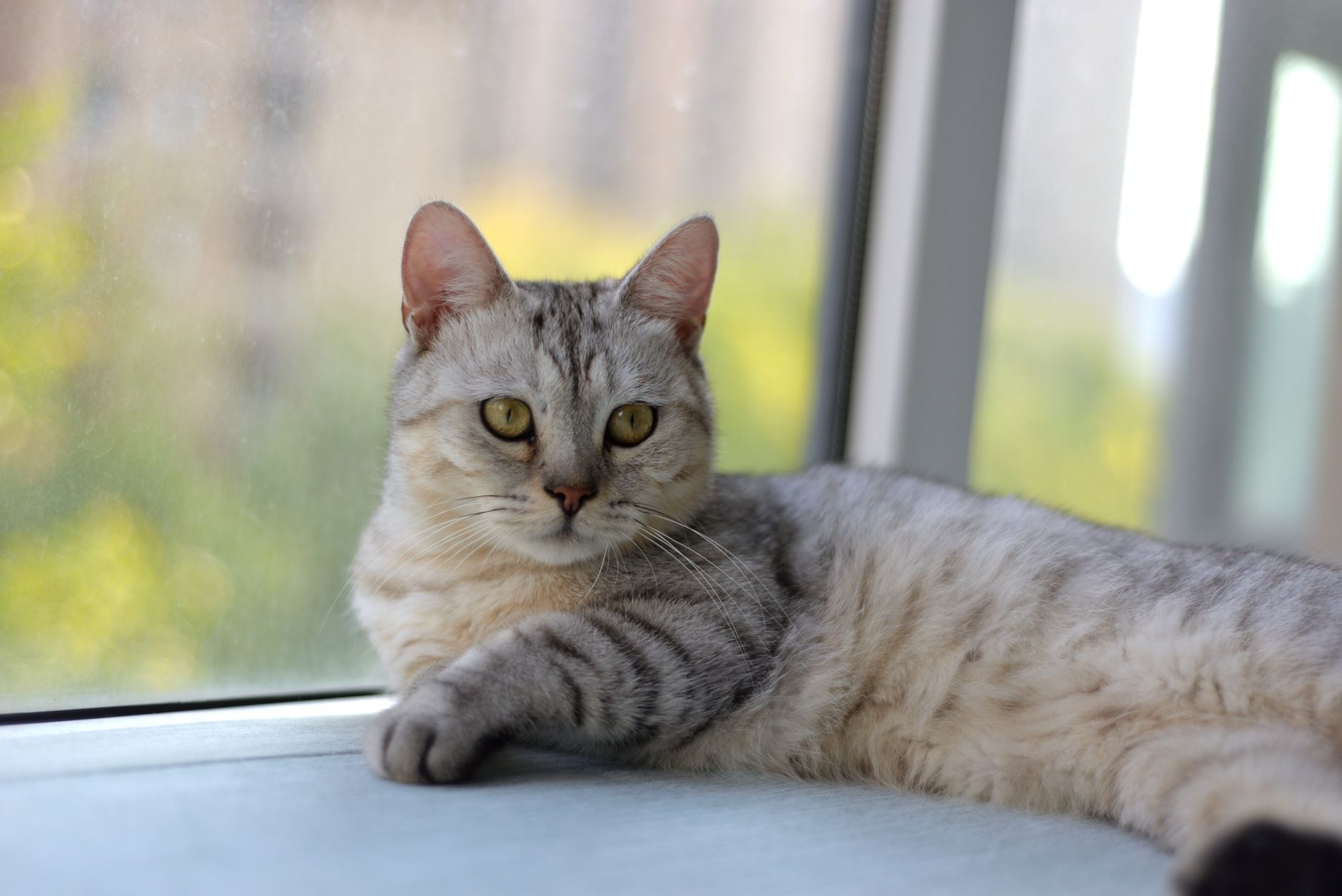
H5N1 bird flu can infect domestic cats, causing severe illness or death, according to the FDA. Owners can lower the risk by avoiding raw animal products, keeping cats indoors, and seeking prompt care for suspicious symptoms. Even indoor-only cats can be exposed through food or contaminated items. Knowing the likely routes, warning signs, and safe handling steps helps owners respond without overstating the risk.
Table of Contents
- How can cats be exposed?
- How serious can H5N1 be in cats?
- Which symptoms need veterinary attention?
- How can owners reduce the risk?
- What should people do after possible exposure?
How can cats be exposed?
cats may encounter H5N1 through raw milk, raw or undercooked meat, commercial raw pet food, or contact with infected birds and poultry. The CDC's guidance on H5N1 in animals also identifies contaminated clothing, shoes, and equipment as possible routes. That means indoor-only status does not eliminate exposure.
A cat that never hunts can still consume a contaminated raw product or encounter material carried inside. Keep cats away from wild birds, poultry, and items that may have been contaminated around them. Treat food choice as a separate layer of protection rather than relying on indoor living alone.
How serious can H5N1 be in cats?
Cats appear particularly susceptible and may develop severe respiratory, liver, or neurologic illness. Some infected cats die or must be euthanized. A Los Angeles County investigation illustrates the potential severity.
From November 2024 through January 2025, 19 cats in five households became severely ill; 14 died or were euthanized, and all nine tested cats were H5N1-positive. Every affected household had fed raw milk, raw poultry, or raw pet food, and some products tested positive, according to the CDC's investigation report. This cluster supports raw animal products as a major preventable exposure risk. However, five investigated households cannot establish how often any individual cat will become infected.
Which symptoms need veterinary attention?
Contact a veterinarian promptly if a cat develops any of these signs: These signs can involve the respiratory system, eyes, or nervous system. A cat does not need to show every symptom before receiving care; the FDA's advice for cat owners calls for prompt veterinary attention when these signs appear.
- Fever or unusual lethargy
- Poor appetite
- Eye or nasal discharge
- Difficulty breathing
- Tremors or seizures
How can owners reduce the risk?
The CDC and FDA recommend practical exposure controls: Cooking, pasteurization, and canning can inactivate H5N1. "Commercial" does not necessarily mean cooked or pasteurized, so owners should distinguish commercial raw food from heat-processed food.
- Keep cats indoors.
- Do not give cats unpasteurized milk.
- Avoid raw or undercooked meat.
- Avoid commercial raw pet foods.
- Prevent contact with infected birds or poultry.
What should people do after possible exposure?
The human risk from an infected cat remains uncertain. In the Los Angeles investigation, one asymptomatic veterinary professional among 139 exposed people had H5N1-specific antibodies. The CDC report describes this as evidence of possible cat-to-human transmission, not a measure of how frequently transmission occurs.
When handling a suspected or confirmed infected cat, avoid face contact and do not allow licking or kissing. These precautions limit close exposure while the cat receives veterinary care. CDC advises exposed people to seek medical evaluation if they develop respiratory symptoms or conjunctivitis during the 10 days after exposure.