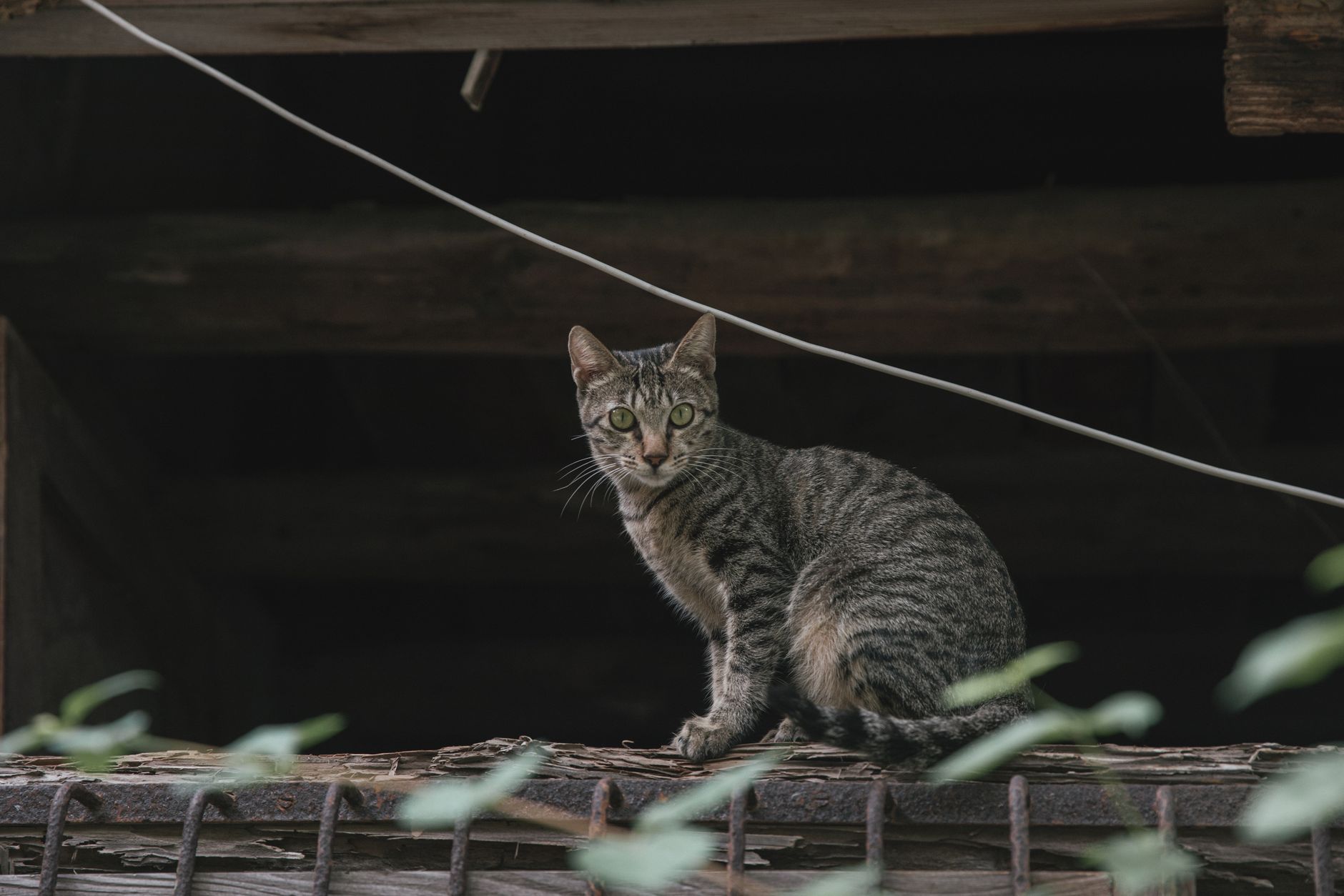
No specific new veterinary development in cat climbing has been verified for September 2026. The latest dedicated university explanation identified is Washington State University's October 2025 anatomy article, not a new clinical guideline. Cat climbing means ascending, descending, or jumping between elevated surfaces. The key takeaway is practical: climbing is normal, but a decline in ability can reveal pain or weakness that deserves attention.
Table of Contents
- Why can cats climb up more easily than down?
- When does reduced climbing suggest a health problem?
- What should owners record for a veterinarian?
- How can the home be made easier to navigate?
- Treatment and enrichment serve different purposes
Why can cats climb up more easily than down?
cats climb upward using powerful hind-limb muscles, flexible joints, and retractable claws. Their spine and tail help them balance as they move across narrow or elevated surfaces. Descending is more difficult because the claws do not provide the same grip in that direction.
Washington State University's October 2025 anatomy explanation describes this mismatch between a cat's climbing equipment and the demands of coming down. A cat hesitating at the top of a tree or climbing structure is therefore not necessarily injured. However, repeated difficulty with familiar furniture or low platforms warrants closer observation.
When does reduced climbing suggest a health problem?
A senior cat that stops jumping onto a bed or climbing a familiar tower may have degenerative joint disease or muscle weakness. These changes should not automatically be dismissed as ordinary aging. Watch for changes such as: The AAHA and AAFP Feline Life Stage Guidelines report that an estimated 40–92% of cats may show clinical signs associated with degenerative joint disease.
Prevalence and severity increase with age. More than 90% of aging cats may have degenerative changes visible on X-rays, according to NC State Veterinary Medicine. Not every affected cat shows obvious pain, so a change in climbing may appear before limping or vocal distress.
- Pausing before a familiar jump
- Taking stairs more slowly
- Pulling up with the front legs instead of jumping smoothly
- Choosing lower resting places
- Avoiding a previously used climbing structure
What should owners record for a veterinarian?
Observe what has changed, when it began, and whether the problem affects climbing up, coming down, or both. Note the height involved and whether the cat succeeds after hesitating. Record short home videos showing the cat: The 2024 ISFM and AAFP consensus guidelines on long-term pain recommend combining caregiver observations with home videos.
Chronic-pain behavior is often easier to see at home than during a veterinary examination. Do not force a painful or frightened cat to perform for the camera. Record ordinary movement when possible, then show the veterinarian both successful attempts and moments of hesitation.
- Walking across a room
- Using stairs
- Jumping onto and down from a familiar surface
- Entering the litter box
- Rising after resting
How can the home be made easier to navigate?
Keep valued resources accessible without removing every opportunity for safe movement. A cat that struggles to reach a window perch may benefit from an intermediate step rather than losing the perch entirely.
International Cat Care's home-environment guidance recommends steps or ramps to favored resting places, easy-access food, water, and litter facilities, and nonslip surfaces for cats with pain or reduced mobility. These changes support the cat but do not identify or treat the cause. Veterinary assessment remains important when reduced climbing is new, worsening, or accompanied by weakness.
Treatment and enrichment serve different purposes
Current chronic-pain guidance favors multimodal management, meaning that veterinarians may combine medication with environmental and other non-drug measures. Anti-NGF frunevetmab may improve mobility, but reported adverse effects include dermatitis, hair loss, and itching; longer-term safety evidence is still needed. For comfortable cats, climbing structures can provide useful enrichment.
Cornell University advises climbing posts and chase-and-catch toys to encourage natural predatory behavior and reduce environmental stress in cats with idiopathic cystitis. Match the structure to the individual cat. Provide stable platforms, reachable transitions, and an easy route down; if the cat begins avoiding it, record the change and discuss it with a veterinarian.