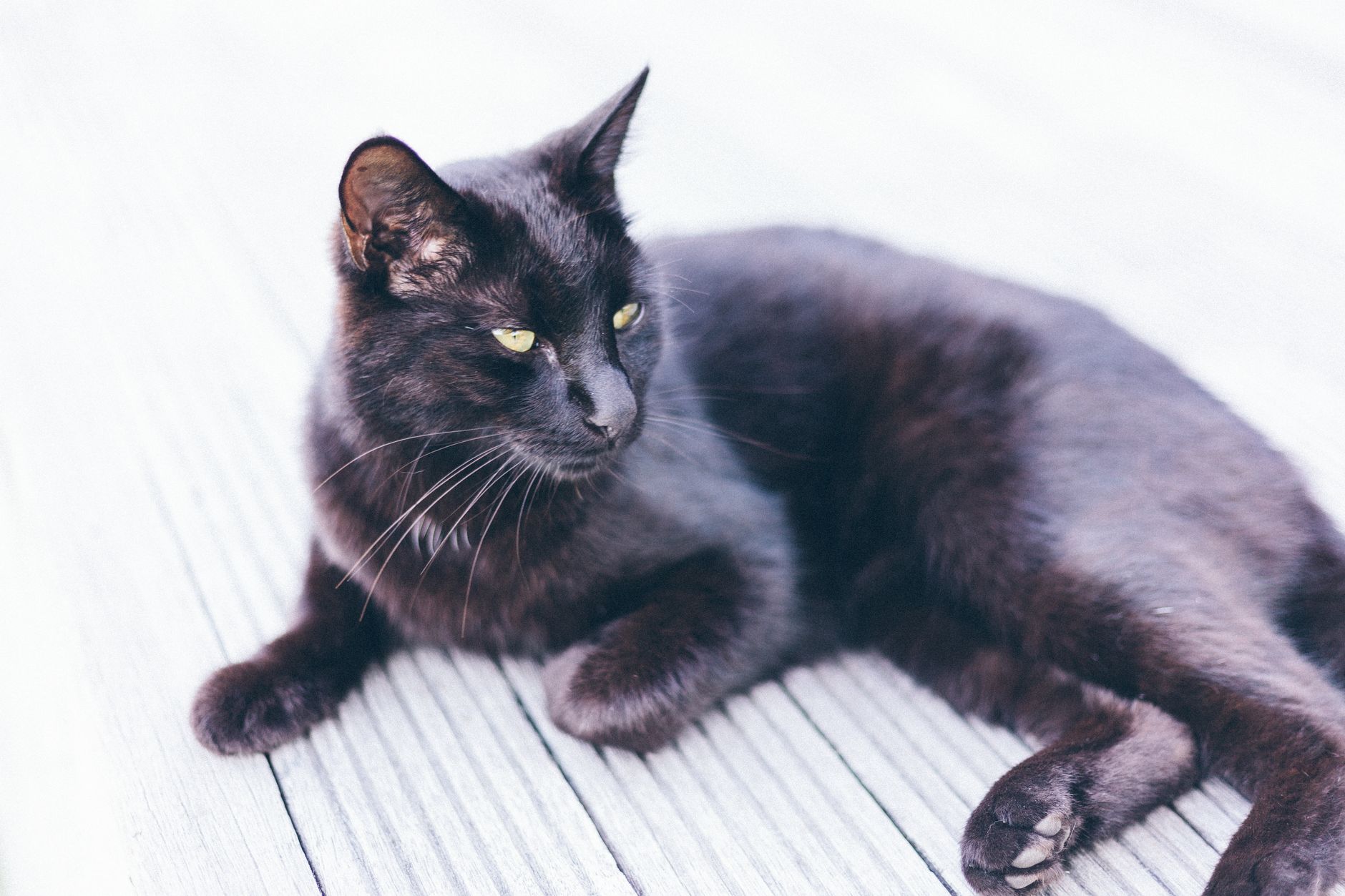
No new veterinary guidance on cat toys was documented for September 2026 as of September 8. The latest verified developments are earlier 2026 recalls involving electronic cat toys with accessible or improperly labeled button batteries. For cat owners, the practical message is clear: check electronic toys for recalls, inspect every toy for ingestible parts, and use play to support natural hunting behavior. Toys are enrichment tools, not a substitute for safe spaces, suitable resources, and daily interaction.
Table of Contents
- What actually changed in 2026?
- How should owners respond to the recalls?
- What makes a cat toy safer?
- Does an effective toy need to be expensive?
- How should laser and wand toys be used?
What actually changed in 2026?
In April, the U.S. Consumer Product Safety Commission recalled about 51,160 Lil' Buddies Pet Laser Toys. Children could access the unsecured button-cell batteries, creating a potentially fatal ingestion hazard. No incidents had been reported, but the CPSC recall notice tells consumers to stop using the toys and seek a refund. Pet Circle also announced voluntary recalls between January 21 and 30.
Five electronic cat toys had problems involving button- or coin-battery standards or required warnings. The affected products included Pet Gravity smart and chirping-ball toys, a wand with a laser, an M-Pets laser mouse, and Kong laser toys; owners should stop using them and consult Pet Circle's recall information about refunds. An August UK alert with "Pawsitive Cat Toy" in its title can cause confusion. It involved a crocheted, cat-shaped children's toy—not a toy intended for cats. Its eyes detached, and authorities rejected and destroyed the import, according to the UK product safety report.
How should owners respond to the recalls?
First, identify electronic toys that use button or coin batteries. Check the brand, product name, purchase date, and retailer against the relevant recall notice.
Then take these steps: A recall does not mean every electronic cat toy is unsafe. It does show why battery security matters in homes with cats and children, particularly when a toy is dropped, batted under furniture, or chewed.
- Stop using a recalled toy immediately.
- Keep the toy and loose batteries away from children and pets.
- Follow the seller's or regulator's refund instructions.
- Do not rely on tape or another improvised repair to secure a recalled battery compartment.
- Inspect other battery-powered toys for damage, loose covers, or missing fasteners.
What makes a cat toy safer?
Choose toys that cannot easily shed pieces small enough to swallow. Cornell veterinarians advise avoiding detachable parts, feathers, string, other linear strands, and chewable electrical cords because cats may ingest them, as explained in the university's safe-toy guidance. Supervise play with wands and any toy containing strands or attached decorations.
Put these toys away afterward rather than leaving them where a cat can chew them unattended. Keep play areas fall-safe, especially around shelves, stairs, windows, or unstable furniture. Rotate toys periodically to restore novelty without continually buying replacements.
Does an effective toy need to be expensive?
No. Cornell identifies cardboard boxes, paper bags, and ping-pong balls as inexpensive options that can encourage movement and exploration. Remove handles from bags and inspect reused objects before offering them. The best toy depends on the behavior it invites.
Toss toys can encourage chasing, while wand toys support stalking and pouncing. Puzzle-style play can add problem-solving, but a toy that frustrates or frightens a cat should be simplified or replaced. The Feline Veterinary Medical Association treats play and predatory behavior as one of five essential needs for indoor cats. Safe spaces and appropriately separated resources also matter, so adding toys alone cannot correct an unsuitable environment.
How should laser and wand toys be used?
The Feline Veterinary Medical Association recommends replacing hand-play with wand or toss toys. It also advises at least two brief play sessions each day, regardless of the cat's age, to simulate hunting while keeping hands away from biting range. Laser toys need extra care.
The FDA says never aim a laser directly at a person or animal because direct or reflected beams can cause serious eye injury. Discard a laser toy if it breaks. For wand play, move the target like prey and allow the cat to stalk, chase, and catch it. Afterward, store the wand where the cat cannot reach its string, feathers, or other attachments.