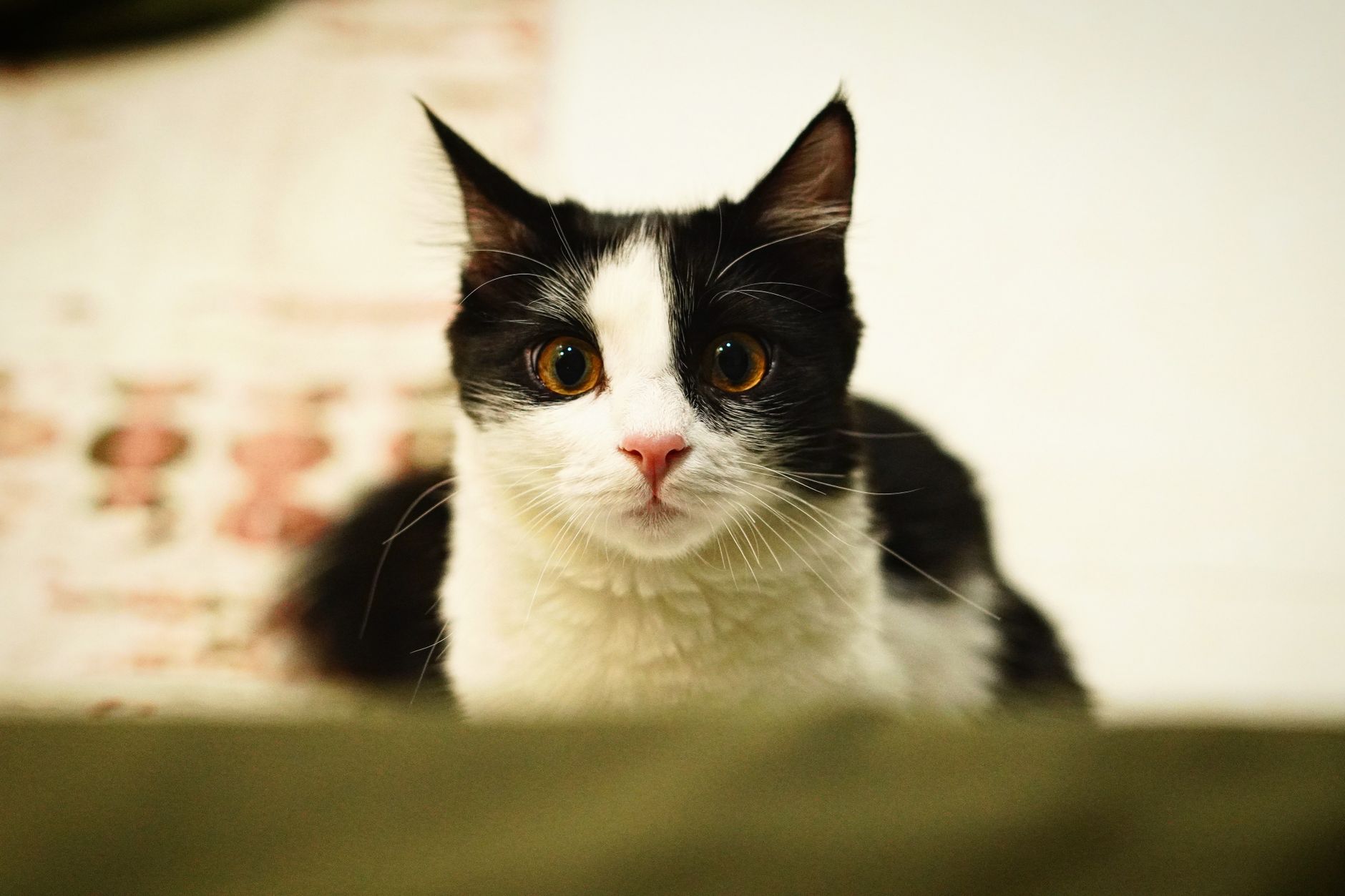
Cat constipation is infrequent or difficult defecation with straining, small hard dry stools, or no stool. Common triggers are dehydration, low-moisture diet, hairballs and litter-box stress, and safe next steps are add water and wet food, encourage movement, keep boxes clean, and call a vet after 48 hours without stool.
Most cats defecate every 24 to 36 hours. No stool for 48 hours or repeated straining without result needs attention. Most feline cases are idiopathic, meaning no exact cause is found.
Table of Contents
- What constipation looks like
- Why it happens
- Which cats need closer watch
- Safe steps you can take today
- When to call the vet now
What constipation looks like
PetMD describes straining in the litter box, passing small hard dry stools or nothing, and repeated visits as core signs PetMD constipation guide. The cat may cry, crouch longer than usual, or leave the box and return within minutes. Stools may look like hard pellets when they pass.
Watch for body-wide changes too. Affected cats may vomit, eat less, act lethargic, or hide. The belly may feel tense or painful to touch. Reduced grooming and reluctance to jump can follow abdominal discomfort.
Why it happens
Daily water loss, dry food without enough fresh water, and low-fiber diet can leave stool dry and hard to pass. Swallowed hair can collect and slow transit, especially in longhaired cats. Stress from a dirty box, new litter, household change, or competition can cause holding.
Other causes affect the colon or nerves directly. Texas A&M veterinary reporting lists kidney disease, electrolyte problems, obesity, opioid drugs, pelvic injury, tumors, and slow colon motility Texas A&M veterinary report. That same source notes many cases stay idiopathic. Repeated untreated episodes can stretch the colon toward megacolon with lasting dysfunction.
Which cats need closer watch
Middle-aged to older cats face higher risk. Cats with chronic kidney disease are especially susceptible because they lose more water in urine. Manx cats face added risk from spinal malformations that affect defecation, according to Cornell small-animal reporting.
Risk rises when several factors combine. An older, overweight cat that drinks little, eats mainly dry food, and uses a dirty box is a classic pattern. Grooming less and moving less can add hair and slow gut motion.
Safe steps you can take today
Start with water and moisture. Offer fresh water in a clean bowl, add a second station away from food, and feed more wet food. Ask your vet about fiber before adding pumpkin, psyllium, or a new diet.
Cornell Feline Health Center supports fresh water, moisture-rich food, vet-directed fiber, play, weight control, grooming, and clean boxes Cornell Feline Health Center guide. Use these daily checks: Keep changes gentle and brief. If eating, drinking, and energy stay normal and stool returns within a day, continue the routine. If straining persists, stop home trials and call the clinic.
- Refresh water, wash bowls, and track intake and stool timing.
- Scoop boxes daily, keep one box per cat plus one extra, and place them in quiet spots.
- Encourage short play, manage weight, and brush regularly to cut hairballs.
When to call the vet now
Seek care if no stool passes for 24 to 48 hours, home care fails, or the cat vomits, seems lethargic, passes blood, cries in pain, or hides. Vomiting with constipation is an emergency. VCA Hospitals guidance sets the same 24 to 48 hour limit for a visit.
Straining can also mean urinary blockage, not constipation, especially in male cats. A blocked cat may squat, strain, lick the genitals, and pass little or no urine. Vets diagnose by abdominal palpation and treat with fluids, prescription laxatives, or supervised enemas. Never give a human phosphate enema because it can poison and kill a cat.