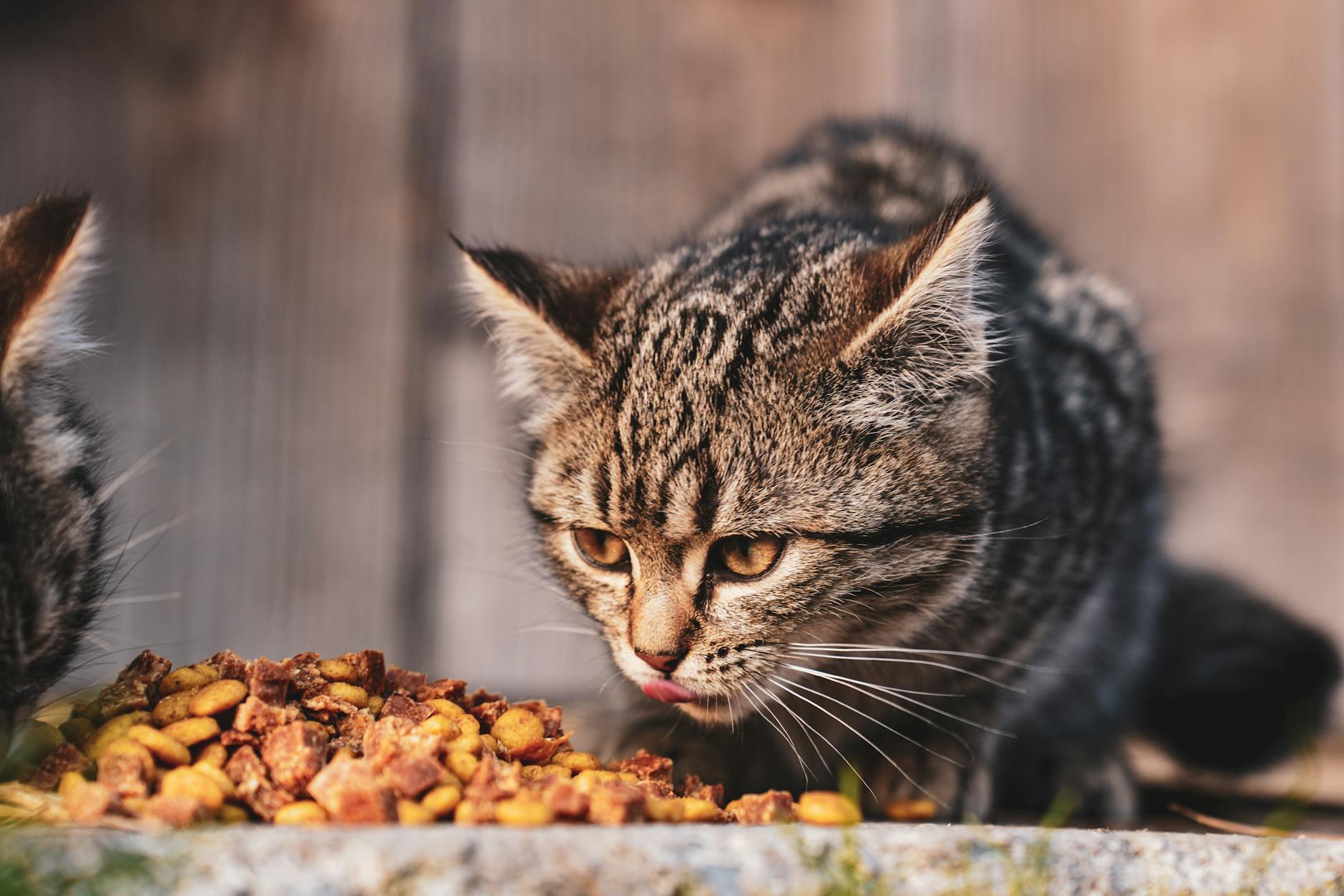
Cheese is not toxic to cats, but it is not a safe food for most felines to eat regularly. The majority of adult cats are lactose intolerant, meaning their digestive systems cannot properly break down the lactose found in dairy products. When a lactose-intolerant cat eats cheese, the undigested lactose ferments in the gut, leading to stomach upset, diarrhea, gas, and discomfort that can last for hours. A single cube of cheddar given as a treat might cause a cat to experience loose stools and abdominal cramping within six to twelve hours, turning what seemed like a harmless snack into an unpleasant ordeal for both pet and owner.
Beyond lactose intolerance, cheese presents additional concerns that make it a poor dietary choice for cats. The high fat content can contribute to obesity and pancreatitis, while the sodium levels in many cheeses exceed what a cat’s kidneys can efficiently process. Some cheeses contain added ingredients like garlic, onion, or chives that are outright toxic to cats. While a tiny amount of plain cheese occasionally may not cause serious harm in cats that tolerate dairy well, veterinary nutritionists generally advise against making it a regular part of any cat’s diet. This article examines why cats struggle to digest cheese, which types pose the greatest risks, how to recognize signs of dairy intolerance, and what safer alternatives exist for owners who want to give their cats special treats.
Table of Contents
- Why Do Cats Have Trouble Digesting Cheese and Dairy?
- What Types of Cheese Are Most Harmful to Cats?
- How Can You Tell If Your Cat Is Lactose Intolerant?
- What Safer Alternatives Can Replace Cheese as Cat Treats?
- What Health Risks Does Regular Cheese Consumption Pose for Cats?
- When Might Veterinarians Use Cheese With Cats?
- Are There Cats That Can Safely Eat Small Amounts of Cheese?
- Conclusion
Why Do Cats Have Trouble Digesting Cheese and Dairy?
cats are born with the enzyme lactase, which allows kittens to digest their mother’s milk during the nursing period. However, once weaning occurs around eight to twelve weeks of age, most cats experience a significant decline in lactase production. By adulthood, the vast majority of cats produce little to no lactase, rendering them functionally lactose intolerant. This biological shift makes evolutionary sense because wild cats have no access to dairy after weaning and therefore no need to maintain the digestive machinery for processing it. When a lactose-intolerant cat consumes cheese, the lactose passes undigested into the large intestine, where gut bacteria ferment it. This fermentation produces gas, fatty acids, and draws water into the intestines, resulting in bloating, flatulence, cramping, and diarrhea.
The severity of symptoms depends on the amount of cheese consumed and the individual cat’s level of lactase deficiency. Some cats retain a small amount of lactase activity and may tolerate tiny portions of cheese without obvious distress, while others react badly to even a lick of cream cheese. Comparing cats to dogs illustrates an important difference in dairy tolerance. Dogs generally retain more lactase activity into adulthood than cats do, which is why some dogs can handle moderate amounts of cheese without digestive upset. This does not make cheese healthy for dogs either, but it does explain why a food that seems fine for one household pet can cause problems for another. Cat owners who have previously had dogs should not assume their feline companions share the same dietary flexibility.
What Types of Cheese Are Most Harmful to Cats?
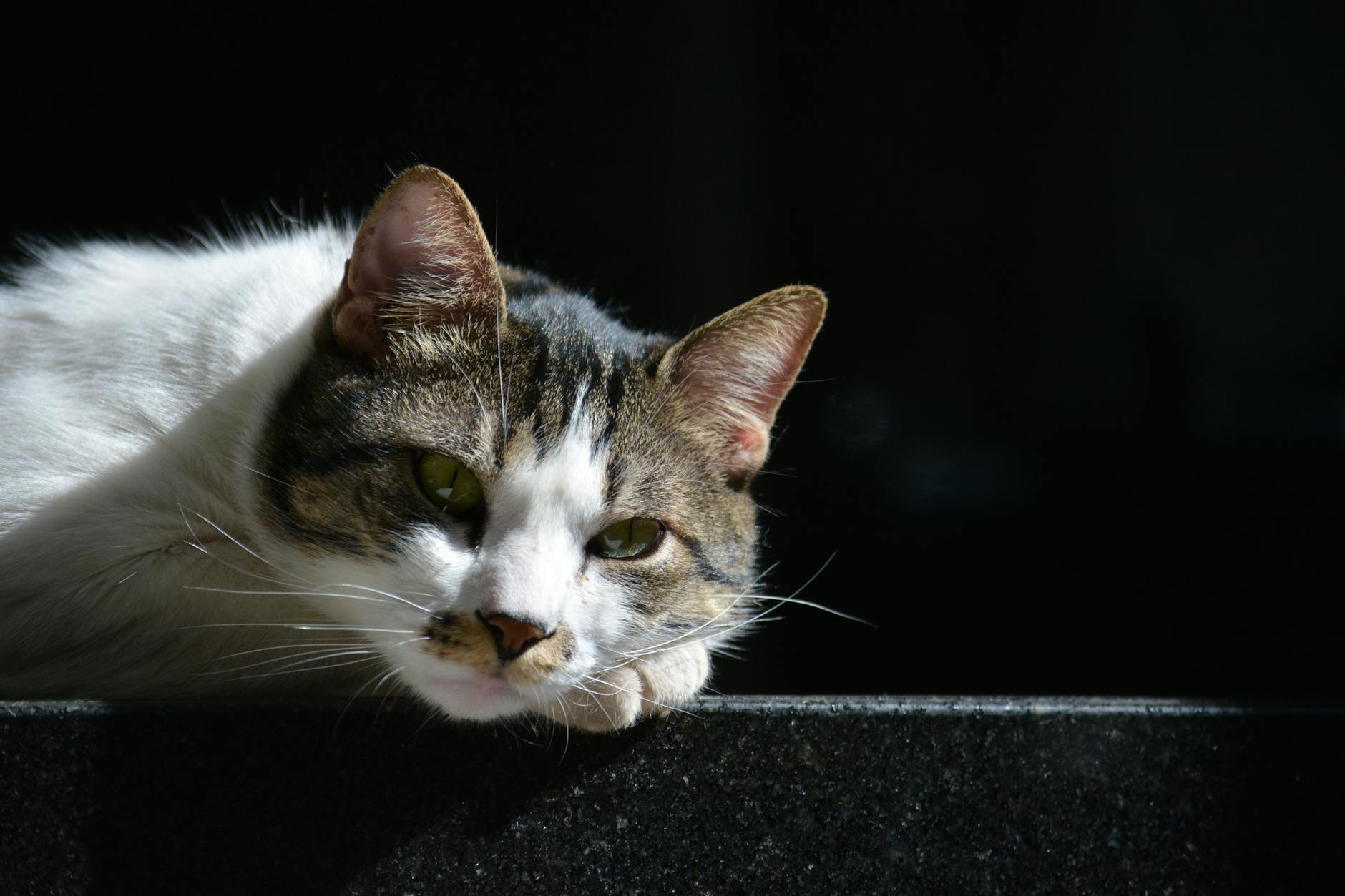
Not all cheeses carry equal risk, though none qualify as truly safe or beneficial for cats. Soft, fresh cheeses like cottage cheese, ricotta, and cream cheese contain higher lactose levels than aged varieties and are more likely to trigger digestive symptoms. A tablespoon of cottage cheese contains roughly four grams of lactose, enough to cause noticeable gastrointestinal distress in most cats. These softer cheeses also tend to be given in larger portions because of their spreadable texture, compounding the problem. Hard, aged cheeses like parmesan, aged cheddar, and Swiss contain significantly less lactose because the aging process allows bacteria to break down much of the milk sugar. However, these cheeses are typically higher in sodium and fat, creating different health concerns.
A one-ounce serving of parmesan contains over four hundred milligrams of sodium, while a cat’s daily sodium requirement is only about forty milligrams. Excessive sodium intake strains the kidneys and can contribute to hypertension, particularly concerning for older cats or those with existing kidney disease. The most dangerous cheeses for cats are those containing toxic additives. Cheese spreads and flavored varieties often include garlic, onion, or chives, all members of the allium family that can cause oxidative damage to feline red blood cells, leading to hemolytic anemia. Blue cheeses like Roquefort and Gorgonzola pose a unique threat because the mold used in their production can create roquefortine C, a mycotoxin that causes vomiting, diarrhea, tremors, and seizures in cats. Even small amounts of blue cheese warrant a call to the veterinarian or poison control hotline.
How Can You Tell If Your Cat Is Lactose Intolerant?
Identifying lactose intolerance in cats requires observing their response to dairy consumption over a period of hours. Symptoms typically appear within eight to twelve hours after eating cheese or other dairy products, though some cats react more quickly. The most common signs include diarrhea, which may range from slightly soft stools to watery discharge, and vomiting, particularly if the cat consumed a larger amount. Abdominal discomfort manifests as restlessness, reluctance to be touched around the belly, or unusual postures like hunching. Gas and bloating are subtler symptoms that owners may not immediately connect to dairy consumption.
A cat that seems uncomfortable, has a distended abdomen, or passes noticeably foul-smelling gas after eating cheese is likely experiencing lactose fermentation in the gut. In some cases, cats become lethargic or lose interest in their regular food for a day or two following a dairy-related digestive upset. These symptoms usually resolve on their own once the lactose passes through the system, but repeated exposure can lead to chronic digestive issues. If you are uncertain whether your cat tolerates dairy, veterinarians advise against using cheese as a test food because the results are unreliable and the potential discomfort is unnecessary. A cat that shows no obvious symptoms after eating a small amount of cheese may still be experiencing subclinical digestive stress that affects nutrient absorption or gut health over time. The absence of diarrhea does not equal tolerance, and no cat requires dairy for nutritional purposes, making the experiment pointless from a health perspective.
What Safer Alternatives Can Replace Cheese as Cat Treats?
Cats seeking variety in their diet respond well to protein-based treats that align with their carnivorous physiology far better than dairy. Small pieces of plain cooked chicken, turkey, or fish provide the savory flavor cats enjoy without the digestive consequences of cheese. These proteins can be prepared at home with no seasoning, salt, or oil, ensuring they remain safe for feline consumption. Freeze-dried meat treats available at pet stores offer similar benefits with added convenience and longer shelf life. Commercial cat treats formulated specifically for felines represent a safer indulgence than human foods. Reputable brands design their products to meet feline nutritional standards, using appropriate ingredients in controlled portions.
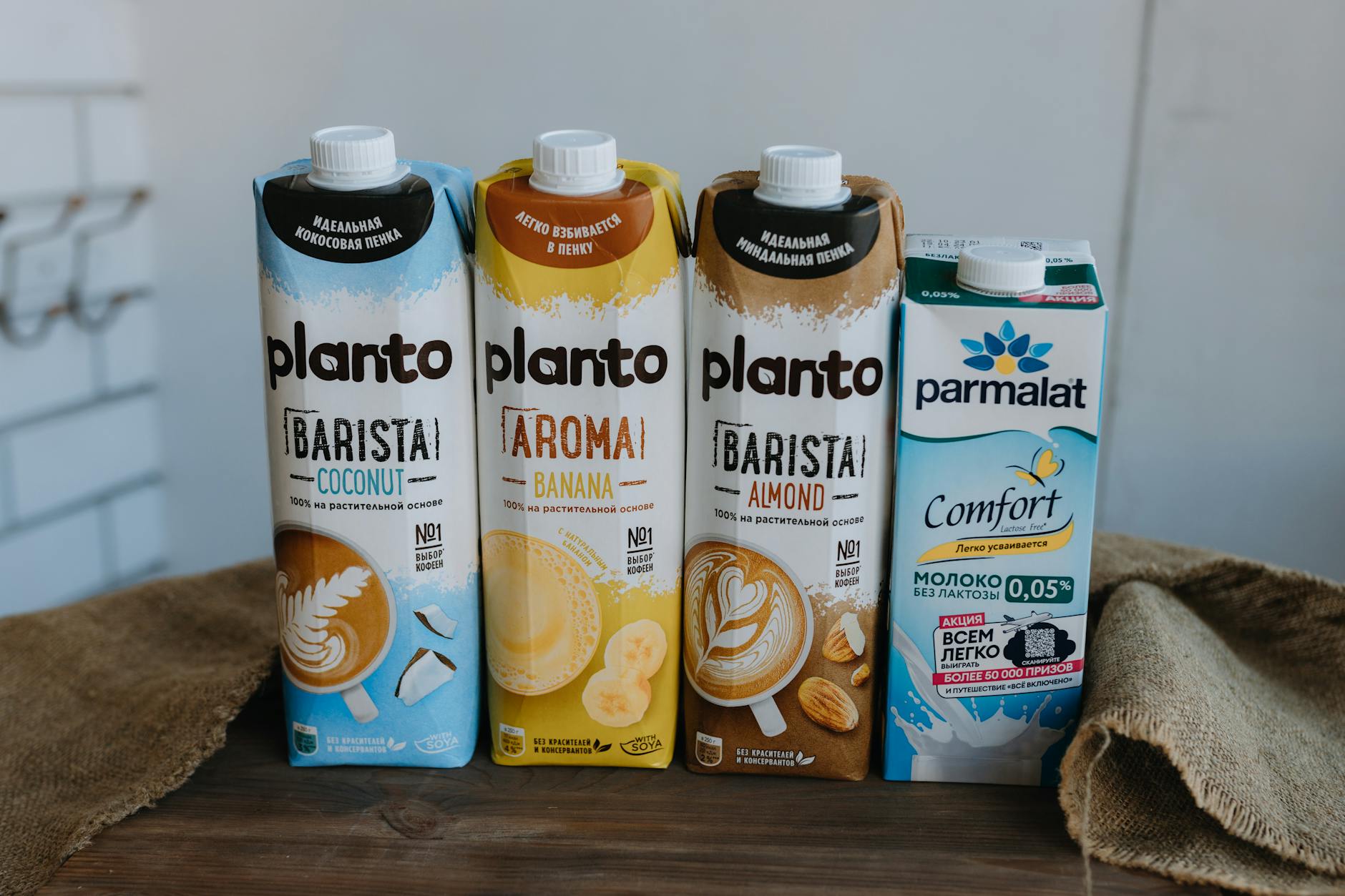
Some manufacturers produce “cheese-flavored” cat treats that provide the taste cats seem to enjoy without actual dairy content, using protein hydrolysates and flavor enhancers that mimic cheese without the lactose. Reading ingredient labels remains important because not all commercial treats are equal in quality or appropriateness. The tradeoff between homemade and commercial treats involves control versus convenience. Homemade protein treats allow complete oversight of ingredients and preparation, eliminating concerns about preservatives, fillers, or hidden sodium. However, they require preparation time, proper storage, and attention to food safety. Commercial treats offer grab-and-go simplicity but require label reading and brand research. Either option provides a significant improvement over cheese in terms of digestive compatibility and overall health impact.
What Health Risks Does Regular Cheese Consumption Pose for Cats?
Beyond immediate digestive upset, regular cheese consumption creates cumulative health risks that may not become apparent for months or years. The high fat content in most cheeses contributes to weight gain, and feline obesity brings serious secondary conditions including diabetes mellitus, joint problems, and reduced lifespan. A cat that receives cheese daily, even in small amounts, takes in significant additional calories that can tip the balance toward unhealthy weight over time. One ounce of cheddar cheese contains approximately one hundred fifteen calories, representing roughly twenty percent of an average indoor cat’s daily caloric needs. Pancreatitis represents a particularly serious risk associated with high-fat foods like cheese. This inflammatory condition of the pancreas causes severe abdominal pain, vomiting, lethargy, and loss of appetite, sometimes requiring hospitalization and intensive care.
Cats with previous pancreatitis episodes or those predisposed to the condition should never receive cheese or other fatty human foods. The warning signs of pancreatitis can be subtle in cats, making prevention through dietary management far preferable to treatment after the fact. Long-term sodium excess from cheese and other salty foods stresses the cardiovascular and renal systems. Cats evolved as desert animals with highly efficient kidneys designed to conserve water, not to process large sodium loads. Chronic kidney disease already affects a significant percentage of older cats, and excessive dietary sodium accelerates kidney decline and complicates management of existing disease. Owners of senior cats or those with diagnosed kidney issues should be especially vigilant about eliminating high-sodium foods, including cheese, from their pets’ diets entirely.
When Might Veterinarians Use Cheese With Cats?
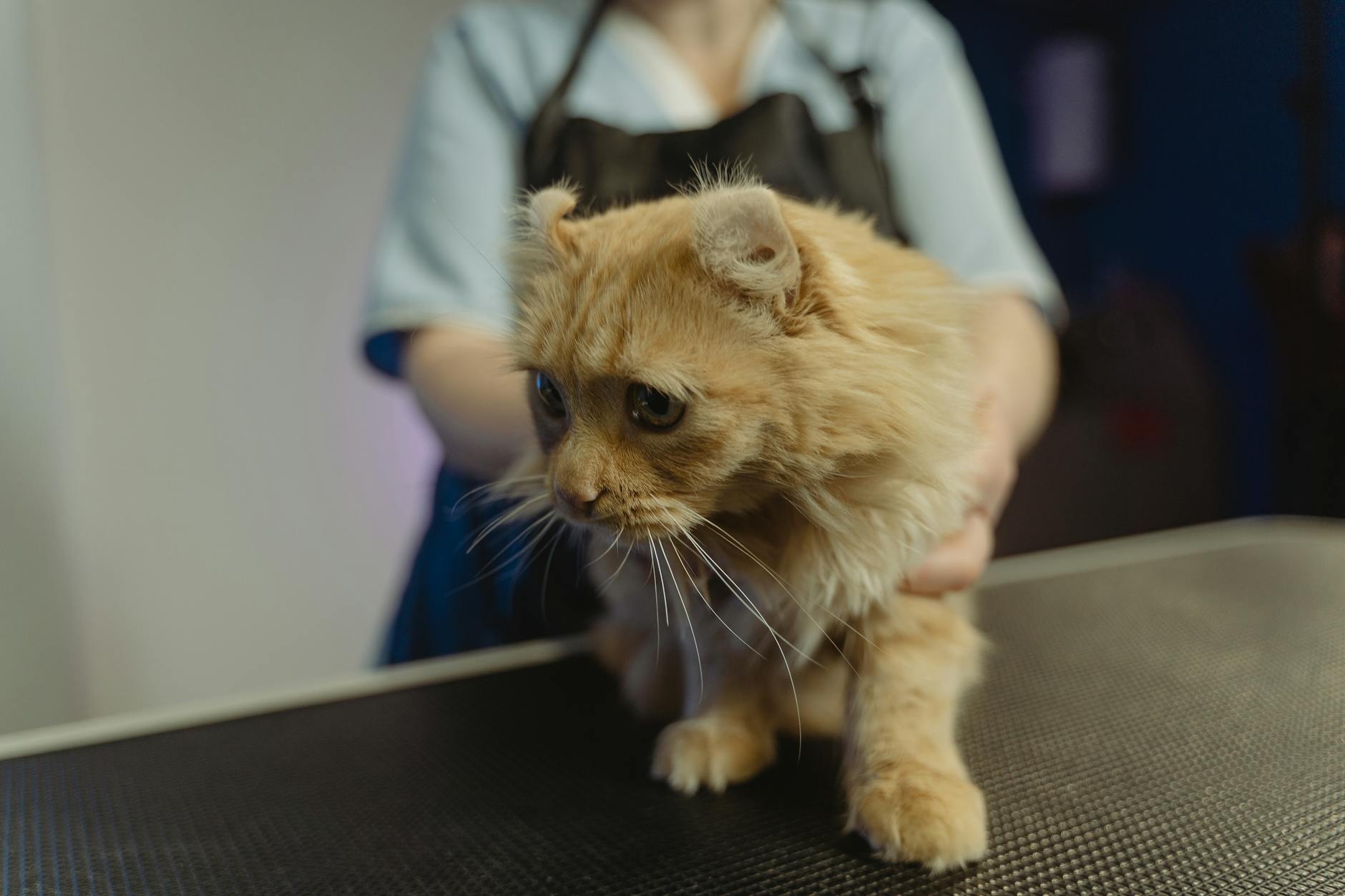
Despite its general unsuitability as a food, cheese occasionally serves a practical purpose in veterinary contexts as a vehicle for medication. Some cats refuse to take pills directly and resist liquid medications, leaving owners desperate for palatable delivery methods. A small piece of soft cheese wrapped around a pill can mask the medication’s taste and texture enough to achieve successful administration. In these situations, the temporary digestive inconvenience may be an acceptable tradeoff for ensuring the cat receives necessary treatment.
However, this approach has significant limitations. Cats requiring daily long-term medication should not receive cheese every day due to the cumulative health effects described above. Many medications also interact poorly with dairy, reducing absorption or effectiveness. For example, certain antibiotics bind to calcium in dairy products, dramatically reducing the amount of active drug that reaches the bloodstream. Before using cheese as a pill pocket, owners should confirm with their veterinarian that the specific medication does not have dairy interactions and explore commercial pill pockets designed for cats as a potentially better alternative.
Are There Cats That Can Safely Eat Small Amounts of Cheese?
Some individual cats do retain enough lactase activity to digest small quantities of dairy without obvious symptoms, though this represents the exception rather than the rule. Kittens still in the weaning transition period maintain higher lactase levels and may tolerate cheese better than adults, but feeding cheese to kittens establishes poor dietary habits and displaces more nutritious foods during a critical growth period. Even cats that appear to tolerate cheese well receive no nutritional benefit from it, as felines cannot efficiently use the proteins and fats in dairy compared to those from meat sources.
Looking forward, the pet food industry continues developing novel treats and food supplements that satisfy cats’ apparent attraction to dairy flavors without the associated digestive and health consequences. Lactose-free dairy products marketed for humans are not a complete solution because they still contain the problematic fats and sodium, though they do eliminate the primary cause of acute digestive upset. The safest approach remains treating cheese as an occasional exception rather than a regular indulgence, reserving it for situations like medication administration where alternatives have failed, and keeping portion sizes minimal when use becomes necessary.
Conclusion
Cheese falls into a gray area of feline nutrition where something can be non-toxic yet still inadvisable as a regular food. Most adult cats lack the digestive enzymes to process lactose effectively, and cheese brings additional concerns through its fat, sodium, and potential toxic additives. The risks of digestive upset, obesity, pancreatitis, and kidney strain outweigh any enjoyment cats might derive from this human food. Safer alternatives exist in the form of plain cooked meats and quality commercial treats formulated for feline biology.
Cat owners who want to share food experiences with their pets can redirect that impulse toward appropriate options rather than dairy products. Understanding why cats cannot safely eat cheese empowers better dietary decisions and prevents unnecessary suffering from digestive distress. For the occasional situation where cheese serves as a medication vehicle, keeping portions tiny and frequency low minimizes harm. Otherwise, the answer to whether cats can safely eat cheese is a qualified no, with most cats better served by never encountering it on their plate.