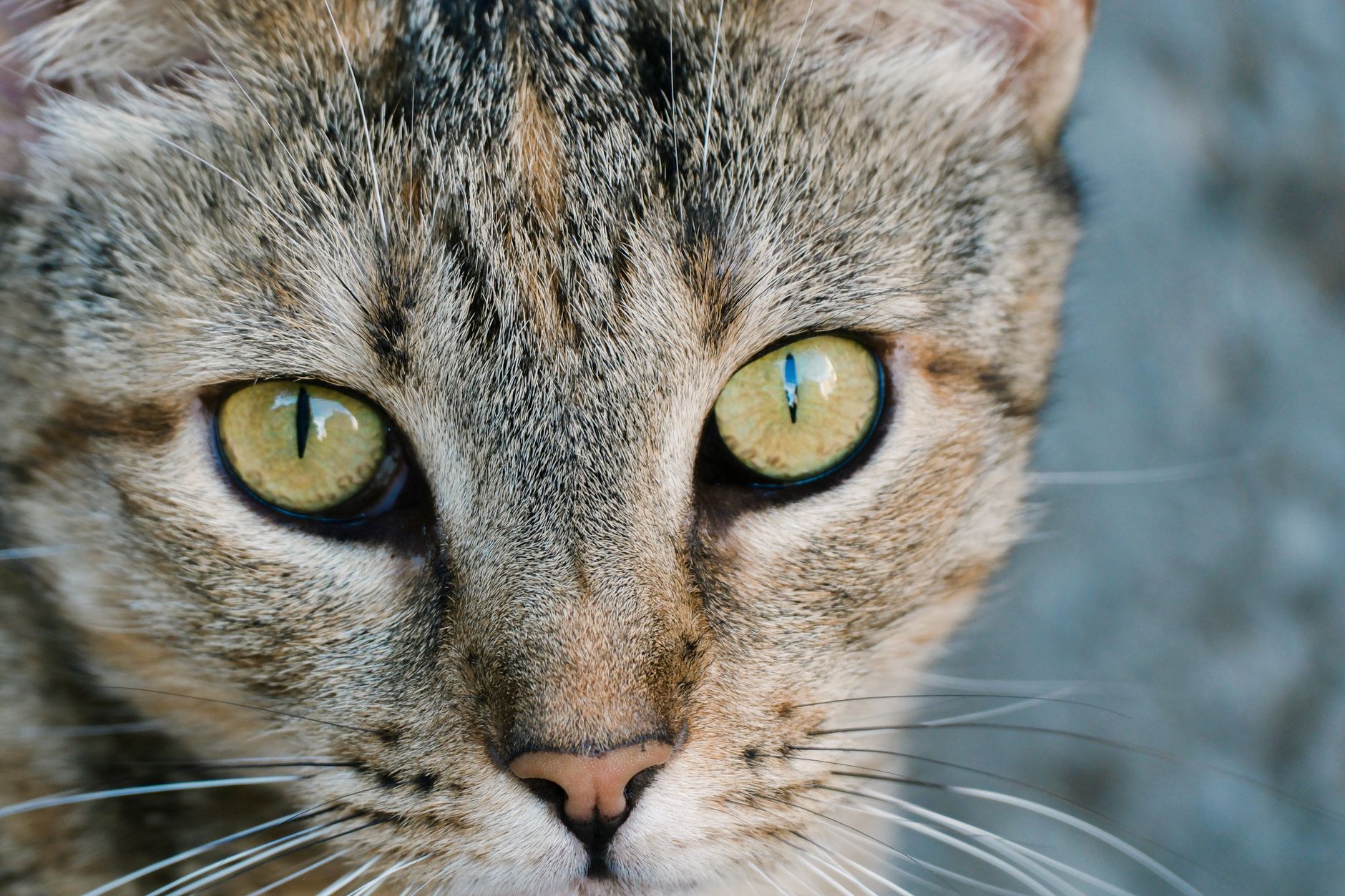
This October 2026 FAQ gives source-checked answers to common questions about diabetes in cats. Feline diabetes means persistent high blood sugar because the pancreas makes too little insulin or the body responds poorly to it. Use it to spot risk, recognize warning signs, and discuss treatment choices with your veterinarian. The answers below draw on Cornell, the MSD Veterinary Manual, FDA actions, and a peer-reviewed remission study.
Table of Contents
- How common is it and who is at risk?
- What signs should prompt a vet visit?
- How is diabetes treated, and can cats go into remission?
- What are the newer oral options?
- How do owners handle daily care and emergencies?
How common is it and who is at risk?
Cornell University College of Veterinary Medicine estimates 1 in 100 to 1 in 500 cats is diagnosed with diabetes in its lifetime. Key risk factors named by Cornell are obesity, increasing age, physical inactivity, male sex, and glucocorticoid drugs.
Weight carries special force. Cornell University College of Veterinary Medicine reports overweight and obese cats are about 4.5 times more likely to develop diabetes than optimal-weight cats, based on follow-up to a study of more than 2,000 cats. Keep meals measured, encourage play, and ask your veterinarian about a healthy weight target.
What signs should prompt a vet visit?
According to the MSD Veterinary Manual, typical signs are increased thirst and urination, increased appetite with weight loss, and lethargy. A normally hungry cat that drinks more, urinates more, and still loses weight deserves prompt veterinary attention.
Diagnosis needs more than one high reading. The MSD Veterinary Manual states diagnosis requires persistent high blood sugar plus sugar in the urine, with fructosamine testing used to separate true diabetes from stress-related high blood sugar. Do not try to judge diabetes from drinking alone.
How is diabetes treated, and can cats go into remission?
The MSD Veterinary Manual describes standard care as insulin plus diet modification, and notes remission is possible in cats. That differs from dogs, where diabetes is generally lifelong without a reversible cause.
Tight early control improves the odds. A 55-cat study in the Journal of Feline Medicine and Surgery used insulin glargine plus an ultra-low-carbohydrate diet for over 10 weeks, and 64% achieved remission, with higher remission in newly diagnosed and tightly controlled cats. Ask your veterinarian what diet, dose schedule, and home checks fit your cat.
What are the newer oral options?
The U.S. Food and Drug Administration announced approval of Bexacat bexagliflozin tablets on Dec. 8, 2022, for otherwise healthy cats with diabetes not previously treated with insulin, the first oral and first SGLT2-inhibitor animal drug approved by FDA. It is not insulin in pill form.
FDA also lists Senvelgo velagliflozin oral solution, approved Aug. 10, 2023, as a once-daily liquid for the same newly diagnosed, otherwise healthy population, given with food or directly by mouth, according to FDA and the Boehringer Ingelheim announcement of Aug. 14, 2023. These SGLT2 drugs are not for insulin-dependent, previously insulin-treated, or ketoacidotic cats.
How do owners handle daily care and emergencies?
Follow the prescribed insulin, feeding, and recheck plan closely, because missed meals and dosing errors change blood sugar fast. Home routines that support control include steady meal timing, weight management, and recording thirst, urination, appetite, weight, and energy for each visit.
Know low blood sugar from insulin overdose or missed meals. FDA and Cornell describe weakness, incoordination, vomiting, seizures, or coma as danger signs. If you see weakness, stumbling, vomiting, seizure, or collapse after insulin, offer food right away and get emergency veterinary care.