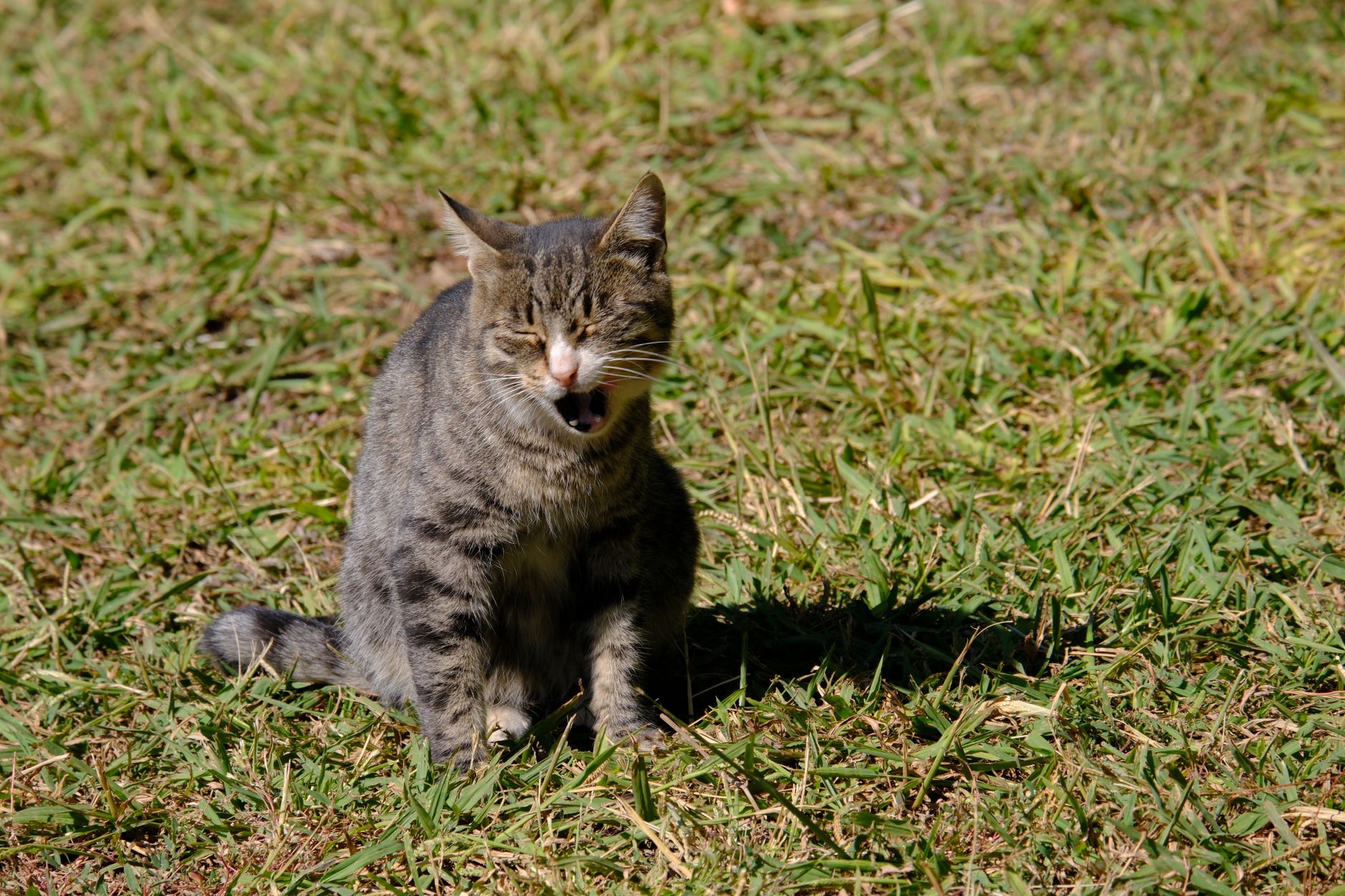
Sneezing with watery eyes together usually means your cat has an upper respiratory infection. An upper respiratory infection is a contagious illness that inflames the nose, airways, and eyes. Cats with this pairing often develop red, swollen eyes, nasal discharge, low energy, and less interest in food. According to Cornell University College of Veterinary Medicine, this pattern often includes conjunctivitis alongside nose and eye inflammation feline respiratory infections guide.
Table of Contents
- Why infection tops the list
- How herpesvirus affects the eyes and nose
- Could allergies cause the same pair of signs?
- When to seek care quickly
Why infection tops the list
The University of Florida Shelter Medicine Program reports that about 80-90% of feline respiratory infection comes from feline herpesvirus and feline calicivirus shelter respiratory infections review. Kittens, unvaccinated cats, shelter cats, and cats in multi-cat homes face the highest risk and the most severe disease.
VCA Animal Hospitals identifies feline herpesvirus type-1 as a major cause of upper respiratory disease and the most common cause of conjunctivitis in cats. That link explains why the nose and eyes often flare at the same time.
How herpesvirus affects the eyes and nose
International Cat Care notes that herpesvirus signs include sneezing, eye and nasal discharge, drooling, and small branching corneal ulcers called dendritic keratitis feline herpesvirus overview. Dendritic keratitis means thin, tree-shaped sores on the clear surface of the eye.
BMC Veterinary Research reports that the virus enters lifelong latency after acute illness, with no recoverable virus, then reactivates under stress or immune suppression. A reactivation can bring back sneezing, discharge, and eye disease in a cat that had seemed well.
Could allergies cause the same pair of signs?
The same sneezing plus watery discharge can come from allergic rhinitis. According to the Merck Veterinary Manual, triggers include molds, dander, bedding, feeds, litter dust, smoke, or sprays guide to allergic reactions in cats.
Allergy-related discharge tends to stay thin and watery. Infection more often adds eye redness and swelling, thicker discharge, low energy, and poor appetite.
When to seek care quickly
Horizon Animal Hospital advises prompt veterinary care when sneezing and eye discharge occur with other illness signs. Congestion can drive appetite loss, and pneumonia is a possible complication.
Get care soon for: VCA Animal Hospitals notes that signs alone cannot identify the cause because viral, bacterial, and fungal agents all inflame the conjunctiva, while viruses are often complicated by secondary Streptococci and Staphylococci. Bring notes on start date, discharge color, appetite, breathing, and contact with other cats.
- not eating or marked lethargy
- yellow-green eye or nasal discharge
- fever, coughing, or breathing difficulty
- sneezing that keeps worsening after a day or two