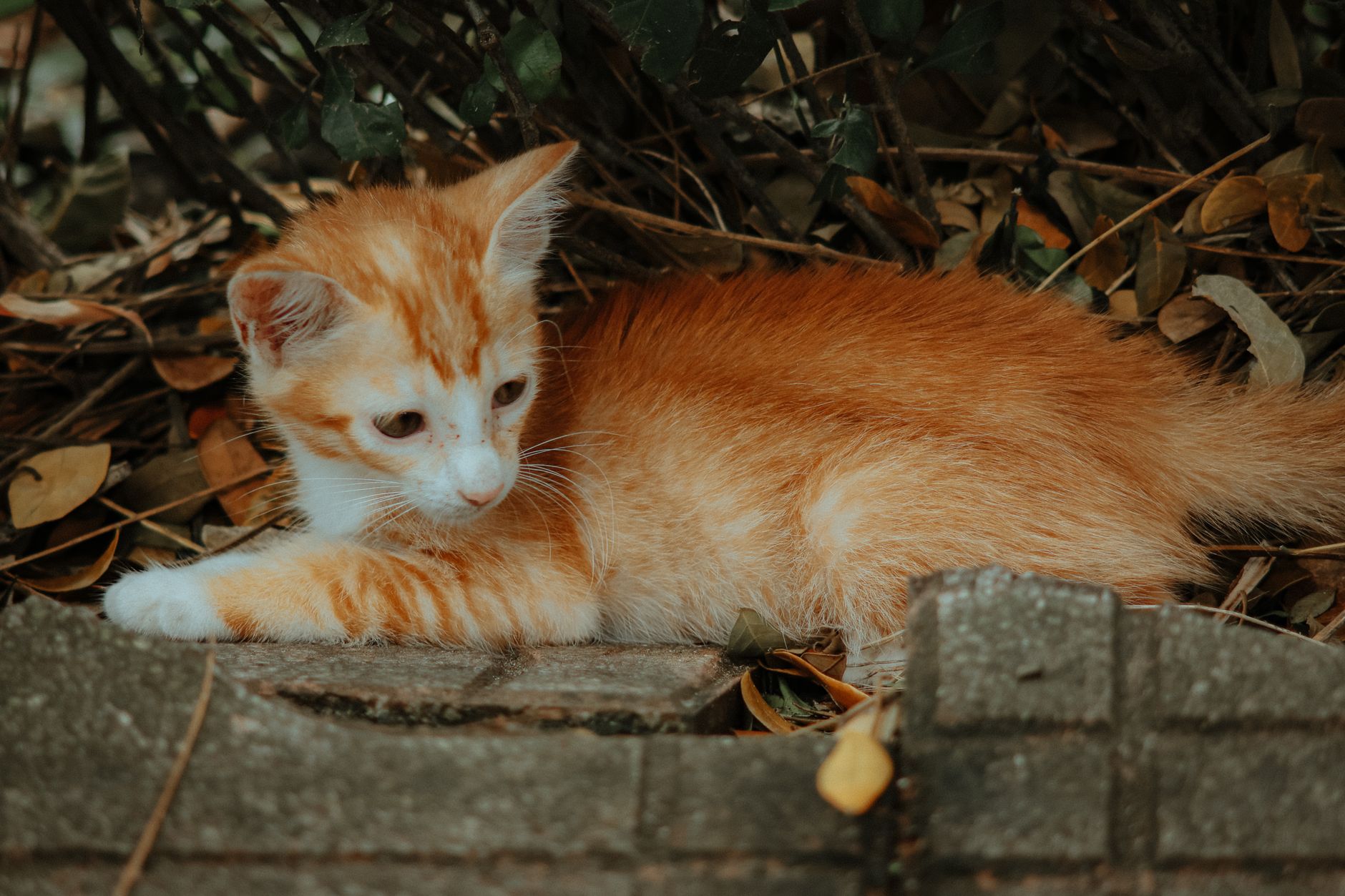
Yes, a dusty litter box can make your cat sneeze. Check timing around box use, any new litter or scented products, and signs of illness beyond sneezing.
Feline asthma means inflamed, narrowed airways and is the most commonly diagnosed respiratory disorder in cats. Cornell's Feline Health Center lists dusty kitty litter as a suspected airborne trigger for it in Cornell's feline asthma guide. That risk makes low-dust habits worth testing, but they do not replace a vet diagnosis.
Table of Contents
- Does timing point to dust?
- What litter-box changes are worth trying?
- Could it be infection rather than dust?
- When should you call the vet?
Does timing point to dust?
Brief sneezing right after litter-box use or cleaning points toward dust irritation. For Embora Pets, Dr. Wendy Wilkins DVM, PhD describes isolated sneezes that stop within minutes as normal in otherwise healthy cats in veterinary sneezing advice. Watch your cat for a day or two.
Note whether sneezes cluster during digging, covering, or scooping. Note whether sneezing also happens away from the box. Scent can irritate as well as dust. Scented litter, fragranced additives, cleaners, air fresheners, smoke, and aerosols can trigger sneezing. Embora Pets advises checking recent changes and favoring unscented products.
What litter-box changes are worth trying?
Horizon Animal Hospital suggests a simple test: switch to a low-dust, unscented litter and see if sneezing drops. Pour slowly from a low height and keep air moving around the box. Choose larger granules for less airborne dust, as described in Horizon Animal Hospital's sneezing-cat guide.
Make one change at a time so you can tell what helped. Cornell house-soiling guidance says remove soiled litter daily and wash boxes with mild unscented soap. Ohio State indoor-cat guidance notes most cats prefer fine-grained unscented litter. If your cat rejects coarse litter, keep dust down with slow pouring, low-dust formula, and ventilation.
- Switch to low-dust, unscented litter
- Pour slowly from just above the box
- Ventilate the litter area without making drafts
- Scoop daily and skip scented deodorizers
Could it be infection rather than dust?
The most common medical cause of lasting sneezing is upper respiratory infection, a cold-like illness. Embora Pets names feline herpesvirus and calicivirus as usual causes. Watch for nasal discharge, watery eyes, congestion, lethargy, or reduced appetite.
Core FVRCP vaccination, the routine shot against herpesvirus-1 and calicivirus, is recommended for virtually every cat by the American Association of Feline Practitioners. The group advises starting in kittens with boosters, as summarized by the Animal Medical Center of Chicago. Keep records current, especially for kittens, new adoptees, and multi-cat homes.
When should you call the vet?
Call your vet if sneezing lasts beyond a few days, according to VCA Hospitals urgent-care guidance in VCA Hospitals urgent-care guidance. Do not wait if breathing looks hard or your cat stops eating.
Get prompt care for: Cornell notes specific asthma triggers usually stay unidentified. Low-dust litter lowers risk but does not diagnose or treat disease. Bring notes on litter type, start date, and discharge color to the visit.
- yellow, green, or bloody nasal discharge
- eye discharge, fever, lethargy, or appetite loss
- coughing, wheezing, or open-mouth breathing