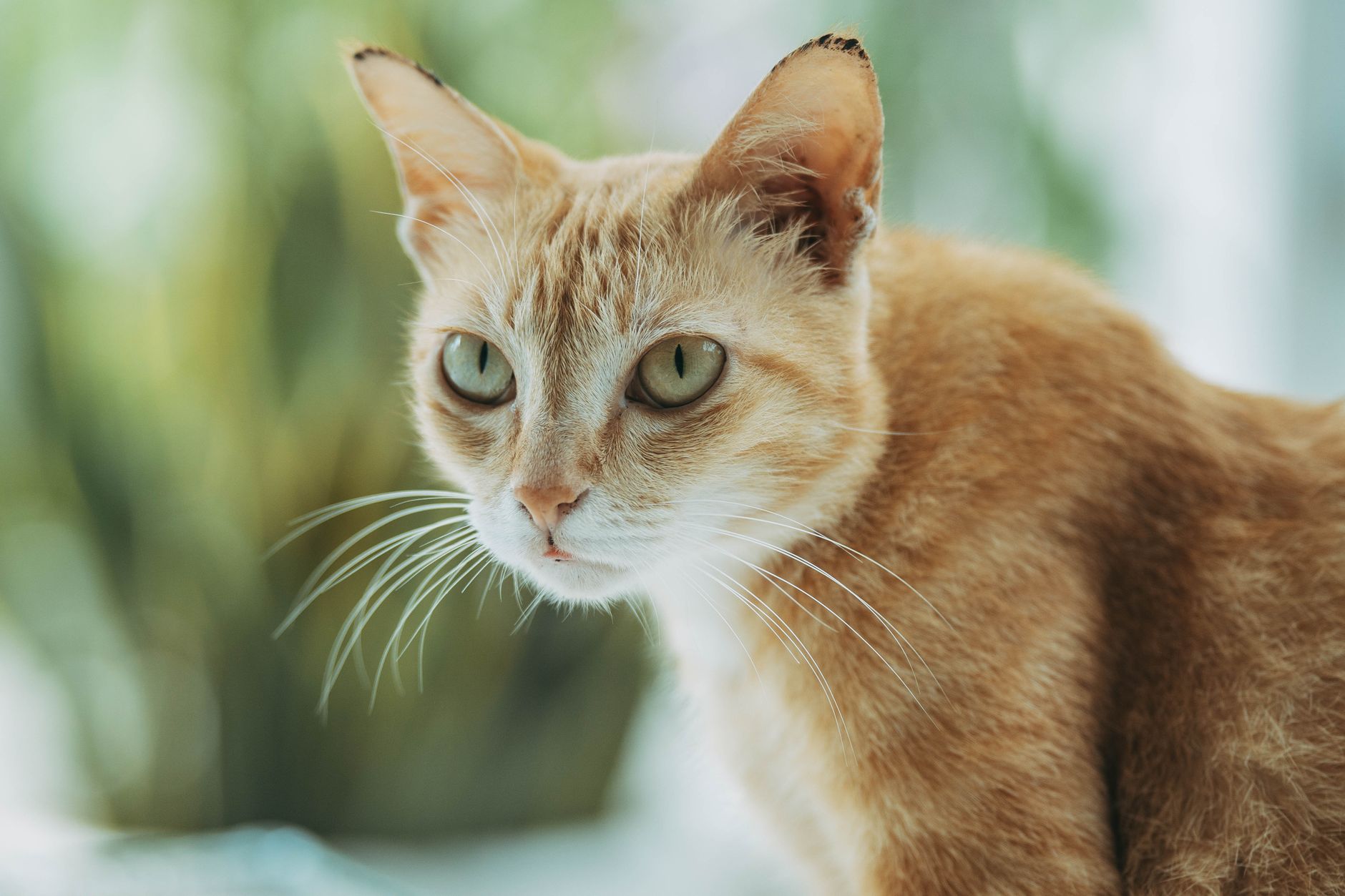
A spring 2026 federal investigation tied possible cat-to-human H5N1, a bird flu virus, to sneezing pet cats. It matters because cats face higher risk, so fall migration and raw diets need closer attention in October 2026. Most sneezes still come from routine infections, but the new findings raise the stakes for indoor habits, feeding choices, and prompt vet care. Owners who know the warning signs can act early without panic.
Table of Contents
- Why a sneeze deserves a closer look now
- What did the Los Angeles cat cases show?
- Is raw food still a risk this fall?
- What should you do if your cat sneezes?
Why a sneeze deserves a closer look now
The Cornell Feline Health Center describes routine respiratory infection signs in cats. They include eye and nose discharge, sneezing, coughing, lethargy, appetite loss, mouth ulcers, and rarely breathing trouble Cornell respiratory infection guide. A single sneeze with bright eyes and normal play often fits that routine pattern.
Repeated sneezing with discharge, cough, low energy, poor appetite, or mouth sores warrants veterinary review. The FDA warns that domestic and wild felines are particularly sensitive to H5N1, while dogs usually show mild signs and low mortality. That difference is why a lingering respiratory illness in a cat carries more weight than a similar sneeze in a dog.
What did the Los Angeles cat cases show?
The CDC reported 139 people exposed to 19 H5N1-infected cats in Los Angeles County during November 2024 to January 2025 CDC MMWR report. The agency noted all 19 cats had consumed raw animal products. Veterinary reporting from dvm360 on the CDC investigation identified the single antibody-positive person as an asymptomatic veterinary professional.
The person had worked without mouth or eye protection and had no other known risk factors, after infected cats were seen across multiple practices. The CDC also reported that all 30 exposed people with flu-like symptoms tested negative by RT-PCR. Only the one asymptomatic person showed antibodies, so the finding supports possible cat-to-human transmission rather than sustained spread.
Is raw food still a risk this fall?
New York City health officials linked three H5N1 cat illnesses to Savage Cat Food poultry packets, as reported by Veterinary Practice News Veterinary Practice News report. Two cases were confirmed and one was suspected from lot 11152026. Officials advised owners to avoid feeding that lot. In its Sept.
30, 2025 update, the FDA required cat and dog food makers to treat H5N1 as a known hazard FDA food safety update. The agency warned fall migration typically increases detections in wild birds, with spillover to poultry. For owners, that keeps raw poultry diets and suspect lots in the higher-risk group this October. Foods made under hazard controls and served indoors carry lower exposure under that framework.
What should you do if your cat sneezes?
Keep the cat indoors, limit contact with wild birds and poultry, and avoid raw meat, raw pet food, and unpasteurized milk. Those habits reflect joint advice from CDC, FDA, USDA, and AVMA, as summarized by AAHA in January 2025.
Seek veterinary care for worsening respiratory signs rather than waiting. Call promptly when repeated sneezing occurs with these signs: Tell the clinic about outdoor access, raw feeding, and contact with sick birds or poultry. Early calls help staff choose protective steps and keep other cats and people safer.
- repeated sneezing with eye or nose discharge
- cough, mouth ulcers, or breathing trouble
- lethargy or refusal to eat