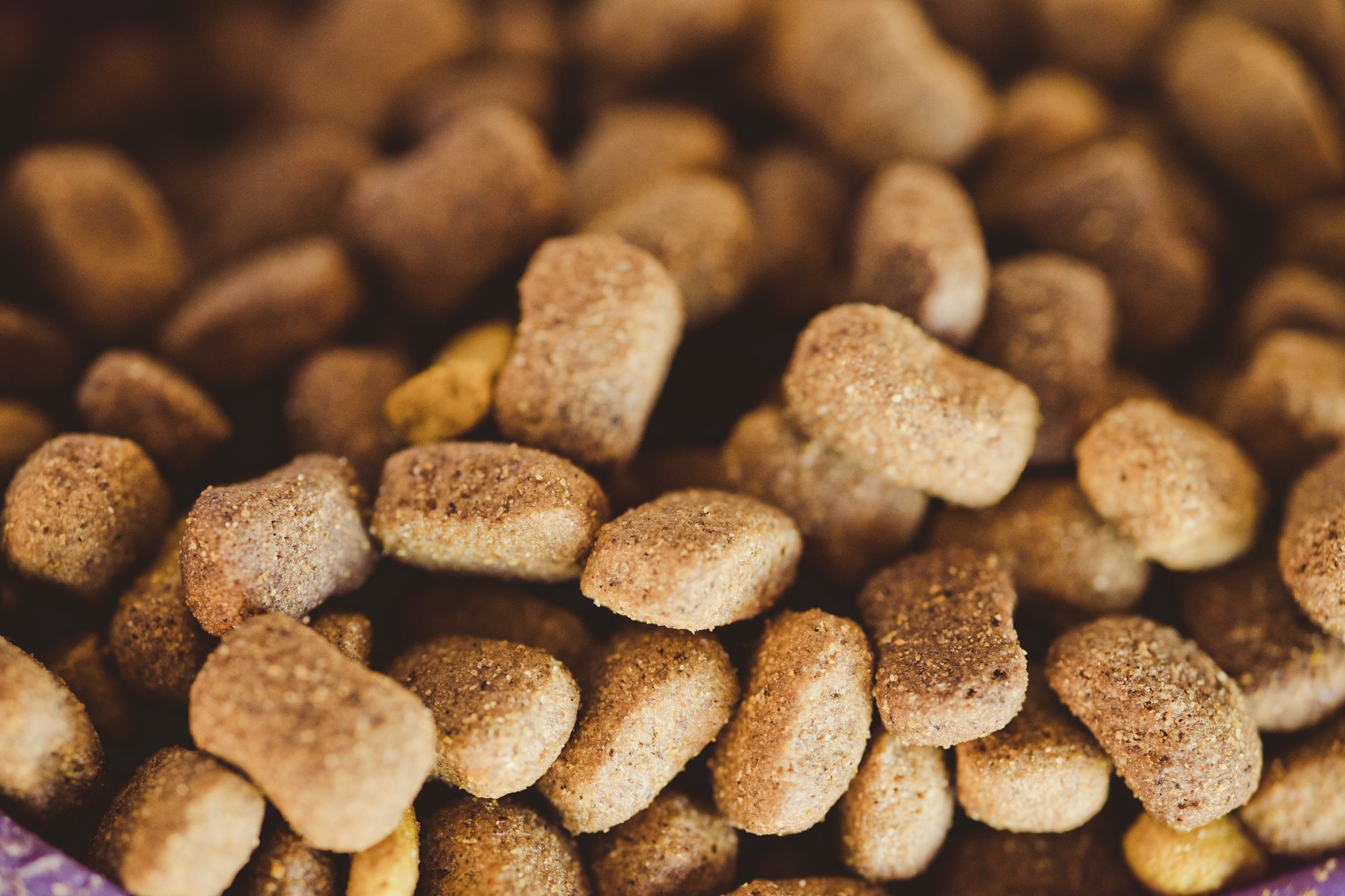
Grain-free cat food usually does not help allergies. Most allergic cats react to animal proteins such as chicken, beef, and dairy, not grains. A food allergy is an immune reaction to a specific ingredient after prior exposure. Grain-free means the recipe has no wheat, corn, rice, or other grains, but it often still contains those common animal proteins.
Table of Contents
- Why grain is rarely the trigger
- What food allergy looks like in cats
- Why grain-free is not hypoallergenic
- How vets find the real trigger
- What should allergic cats eat instead?
Why grain is rarely the trigger
True food allergies are uncommon in cats, and grain allergies are even rarer. The Tufts University Cummings School Clinical Nutrition Team explains in its review of grain-free marketing claims that most allergic cats react to animal proteins such as chicken, beef, and dairy. VCA Animal Hospitals lists beef, fish, chicken, and dairy as the foods typically linked to feline food allergy.
A cat must have eaten an ingredient before it can become allergic to it. That history matters for diet choices. A cat fed chicken for years can develop sensitivity to chicken. Switching to a grain-free diet made with chicken keeps the trigger in the bowl.
What food allergy looks like in cats
VCA Animal Hospitals describes chronic year-round itching and skin inflammation. Common sites are the face, ears, belly, groin, armpits, legs, and paws.
Some cats also develop vomiting, soft stool, or gassiness. Skin signs with steady year-round itch are the more typical pattern, rather than digestive signs alone.
Why grain-free is not hypoallergenic
Grain-free only describes what is missing from the recipe. It says nothing about its chicken, beef, fish, or dairy content. So grain-free is not the same as hypoallergenic.
It rarely resolves allergy unless the diet also uses a novel protein or hydrolyzed protein selected for that cat. Grain-free recipes often replace grains with potatoes, tapioca, peas, beans, or lentils. The Tufts nutrition team notes those swaps may supply fewer nutrients and less fiber, cost more, and cause digestive upset in some pets.
How vets find the real trigger
The only reliable diagnosis is a veterinary elimination-diet trial, described by VCA Animal Hospitals in its guide to food allergies in cats. The cat eats only the prescribed diet for at least eight weeks, followed by controlled challenge with suspected proteins.
A strict trial often follows these steps: Do not run the trial with a retail grain-free food. Over-the-counter foods can contain unlisted proteins and cannot prove allergy.
- Feed only the prescribed diet, with no treats, table food, or flavored medicines.
- Track itching, skin sores, ear irritation, and stool for the full period.
- Reintroduce one suspected protein at a time under vet direction.
- Keep the diet that controls signs and meets nutrient needs.
What should allergic cats eat instead?
Cats are obligate carnivores. They need nutrients found in animal tissue, supplied in correct balance for growth, adult maintenance, or senior age. Cornell University College of Veterinary Medicine Feline Health Center states that principle in its feline food allergy guidance. Choose a complete-and-balanced diet for your cat's life stage. Use a vet-supervised trial with a novel-protein or hydrolyzed diet when allergy is suspected.
The U.S. Food and Drug Administration reports in its update on grain-free diets and heart disease that it investigated dilated cardiomyopathy in dogs eating certain grain-free and pulse-rich diets starting in July 2018. In its December 2022 update, the agency said it would issue no further updates until meaningful new science emerged, without establishing causation. That investigation involved dogs, not cats. For cats, the practical risk is simpler: paying more for grain-free food that still contains the trigger protein while delaying an effective trial. Ask your vet about a complete-and-balanced novel-protein or hydrolyzed option for your cat's life stage.