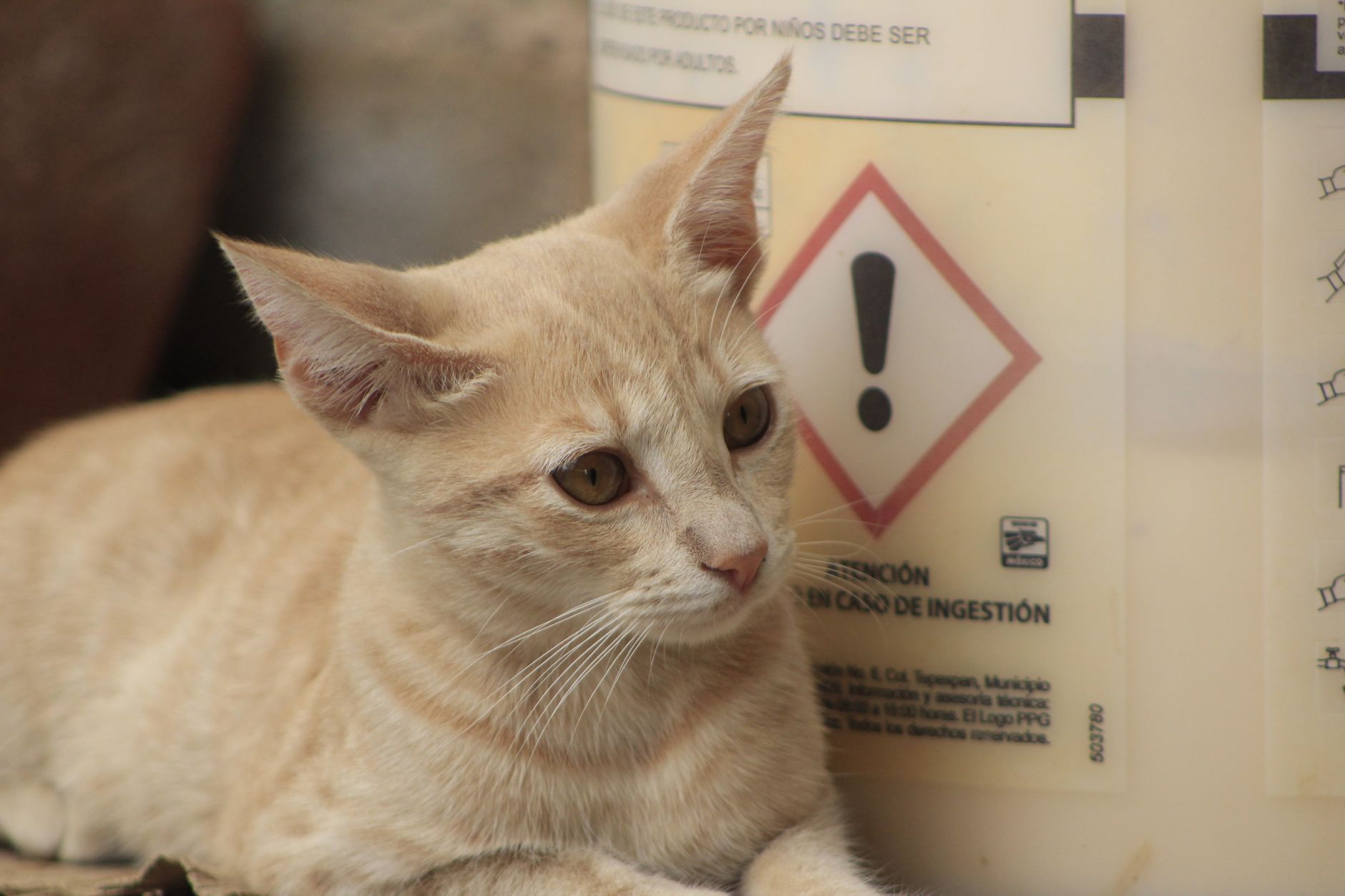
The warning signs of lymphoma in cats are persistent weight loss, vomiting, diarrhea, lethargy, and a change in appetite. Other signs depend on where the tumor grows and can include lumps, breathing trouble, and increased thirst or urination.
Lymphoma is cancer of lymphocytes, white blood cells that help fight infection. Feline lymphoma most often starts in the gastrointestinal tract, so ongoing digestive and weight changes are the leading warning pattern. Cornell University College of Veterinary Medicine reports this gut-centered pattern on its Cornell feline lymphoma guide.
Table of Contents
- Why weight and digestion changes matter most
- What lumps and breathing changes can mean
- Which cats face higher risk
- When should you call the veterinarian
Why weight and digestion changes matter most
Gastrointestinal lymphoma can cause weight loss, vomiting, diarrhea, and lethargy. Appetite may decrease, but some cats eat more while still losing weight. These signs matter most in cats around 10 years and older.
Persistence separates concern from a brief upset stomach. A single vomit after eating too fast is different from vomiting several times a week. Steady weight loss over weeks deserves attention even if energy seems normal at first.
What lumps and breathing changes can mean
Tumor location shapes the signs. Enlarged lymph nodes, appetite loss, lethargy, vomiting, diarrhea, difficult breathing, and increased thirst or urination can occur across sites. Chest or mediastinal lymphoma can cause breathing difficulty, coughing, open-mouth breathing, regurgitation, appetite loss, and weight loss.
Washington State University Veterinary Teaching Hospital notes that young cats often present with chest masses plus breathing trouble or vomiting in its WSU feline lymphoma overview. Peripheral nodal lymphoma causes painless lumps owners can feel in the neck, in front of the shoulder blades, and behind the knees. This nodal form is much less common in cats than in dogs.
Which cats face higher risk
Middle-aged to older cats are most affected. Age does not diagnose lymphoma, but it raises the reason to track digestive changes closely. A 12-year-old cat with chronic diarrhea needs a different level of concern than a young cat with one loose stool.
Infection with feline leukemia virus or feline immunodeficiency virus increases lymphoma risk. Keep vaccines, testing, and indoor routines as your veterinarian advises. Tell the clinic about positive virus history when new signs appear.
When should you call the veterinarian
Seek prompt veterinary evaluation for signs that persist or worsen. Do not wait to see if major weight loss reverses on its own.
Signs are nonspecific and overlap many other diseases, so lymphoma is diagnosed by blood tests plus biopsy of a lump or enlarged node, sometimes with abdominal ultrasound showing thickened intestines or enlarged nodes. The MSD Veterinary Manual describes this diagnostic path and the need for prompt evaluation in its MSD guide to immune-system tumors in cats.
- ongoing weight loss
- repeated vomiting or diarrhea
- lasting lethargy or appetite change
- palpable neck or body lumps
- cough, fast breathing, or open-mouth breathing