Most adult cats are lactose intolerant and should not drink regular cow’s milk. While the image of a cat happily lapping up a saucer of milk persists in popular culture, the biological reality is that the majority of cats lose their ability to properly digest lactose after weaning. When a lactose-intolerant cat drinks milk, the undigested lactose ferments in the intestines, typically causing diarrhea, vomiting, bloating, and abdominal discomfort within eight to twelve hours. A single tablespoon of milk given to a sensitive cat can trigger these symptoms, making what seems like an innocent treat a genuine health concern. The confusion surrounding cats and milk stems from kittens, who do produce sufficient lactase enzyme to digest their mother’s milk.
However, as cats mature and transition to solid food, lactase production naturally declines in most individuals. Some cats retain partial lactase activity and may tolerate small amounts of dairy without obvious distress, but this is the exception rather than the rule. Veterinary estimates suggest that approximately 50 to 70 percent of adult cats experience some degree of lactose intolerance. This article explores the science behind feline lactose intolerance, examines why the milk myth persists, and provides practical guidance on safer alternatives. Whether you have a kitten, an adult cat, or a senior feline, understanding how dairy affects their digestive system will help you make informed decisions about treats and nutrition.
Table of Contents
- Why Are Most Adult Cats Lactose Intolerant?
- How Much Milk Is Too Much for Cats?
- What Are the Signs of Lactose Intolerance in Cats?
- Are Lactose-Free Milk Products Safe for Cats?
- Can Kittens Drink Cow’s Milk as a Substitute?
- Why Do Cats Seem to Love Milk Despite Being Intolerant?
- What Should You Give Cats Instead of Milk?
- Conclusion
Why Are Most Adult Cats Lactose Intolerant?
Lactose intolerance in cats follows the same biological mechanism found in many mammals, including a significant portion of the human population. Lactose is a complex sugar present in milk that requires the enzyme lactase to break it down into simpler sugars the body can absorb. Kittens produce abundant lactase because their survival depends on digesting their mother’s milk during the first weeks of life. Once weaning occurs, typically between four and eight weeks of age, the body gradually reduces lactase production since milk is no longer a necessary food source. When lactose passes through the digestive system without being properly broken down, it draws water into the intestines through osmosis and becomes food for gut bacteria. The bacterial fermentation produces gas and fatty acids, leading to the characteristic symptoms of lactose intolerance: cramping, bloating, flatulence, and diarrhea.
A cat experiencing these symptoms after drinking milk is not having an allergic reaction but rather a digestive failure. The distinction matters because allergies involve the immune system and can be life-threatening, while lactose intolerance, though uncomfortable, is not dangerous in isolated incidents. Interestingly, not all cats lose lactase production at the same rate or to the same degree. Genetics play a role, and some individual cats maintain enough enzyme activity to handle small quantities of dairy throughout their lives. However, owners often mistake a lack of immediate symptoms for tolerance when the cat may actually be experiencing mild discomfort that goes unnoticed. A cat that seems fine after drinking milk might still be dealing with subclinical digestive upset that affects nutrient absorption and overall gut health.

How Much Milk Is Too Much for Cats?
Even cats with partial lactose tolerance face limits on how much dairy they can safely consume. The threshold varies significantly between individuals, but veterinary nutritionists generally advise that any milk given to cats should be treated as an occasional indulgence rather than a dietary staple. For cats that show no adverse reactions, a tablespoon or two of milk once or twice a week represents the upper limit of what most practitioners consider acceptable. Anything beyond this amount increases the risk of digestive upset and adds unnecessary calories to the diet. The caloric density of milk presents a separate concern from lactose content. A single cup of whole milk contains approximately 150 calories, which represents a substantial portion of a typical cat’s daily caloric needs of around 200 to 300 calories.
Regular milk consumption can contribute to weight gain even in cats that digest lactose without issue. Obesity in cats leads to serious health problems including diabetes, joint disease, and reduced lifespan. A cat owner who offers milk daily as a treat may inadvertently be overfeeding their pet by 10 to 20 percent without realizing it. However, if your cat has never shown interest in milk or has displayed symptoms of intolerance in the past, there is no nutritional reason to introduce it. Cats are obligate carnivores whose dietary requirements center on protein and fat from animal sources. Milk provides neither essential nutrients that cats cannot obtain from quality cat food nor any health benefits that justify the digestive risks. The decision to offer milk should be made with clear eyes about what it is: a treat with potential downsides, not a beneficial supplement.
What Are the Signs of Lactose Intolerance in Cats?
Recognizing lactose intolerance in your cat requires paying attention to symptoms that typically appear within 8 to 12 hours after dairy consumption. The most common sign is diarrhea, which can range from soft stools to watery discharge depending on the severity of intolerance and amount consumed. Vomiting may occur in some cats, particularly if they consumed a larger quantity of milk. Abdominal bloating and audible stomach gurgling often accompany these symptoms, and affected cats may show decreased appetite or reluctance to move due to discomfort. A practical way to assess your cat’s tolerance is through careful observation after a small test amount. If you want to determine whether your cat can handle dairy, offer no more than a teaspoon of milk and monitor closely for the next 24 hours.
Keep the cat indoors during this period so you can observe litter box habits and behavior. Any change in stool consistency, increased frequency of defecation, or signs of abdominal discomfort indicate that your cat should avoid dairy products going forward. Some owners confuse lactose intolerance with milk protein allergy, which is a distinct and more serious condition. A true dairy allergy involves the immune system reacting to proteins in milk, not the lactose sugar. Allergic reactions can include skin problems like itching and hair loss, respiratory symptoms, and in severe cases, anaphylaxis. While milk allergies are relatively rare in cats compared to lactose intolerance, any cat showing symptoms beyond digestive upset after consuming dairy should be evaluated by a veterinarian to rule out allergic disease.
Are Lactose-Free Milk Products Safe for Cats?
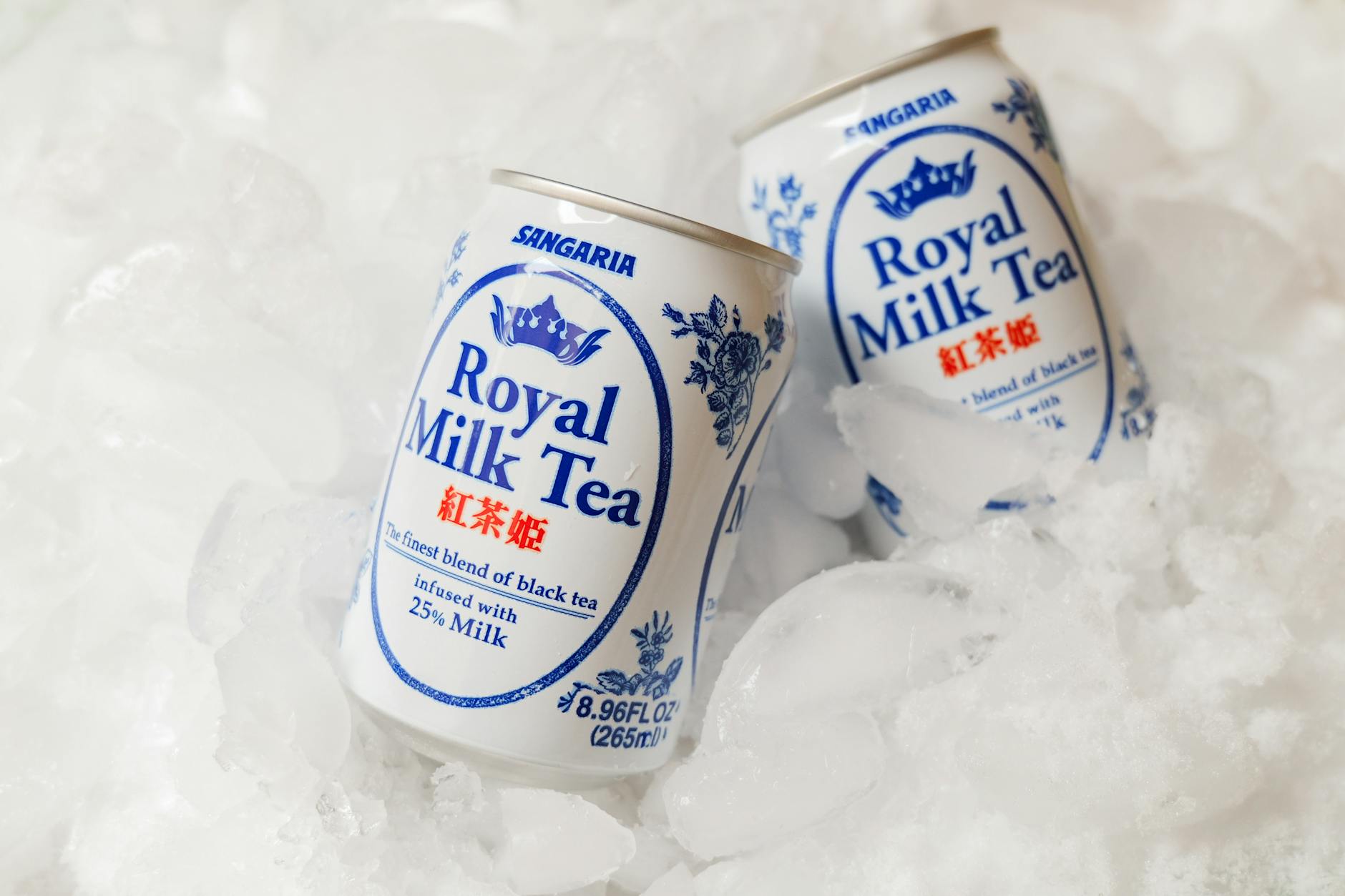
Pet stores and some grocery stores now carry lactose-free milk products specifically formulated for cats, and these represent a safer alternative for owners who want to offer their cats a milk-like treat. Products such as Cat-Sip and Whiskas Cat Milk have the lactose pre-digested or removed, eliminating the primary cause of digestive upset. These specialty milks are also typically lower in fat and calories than regular cow’s milk, addressing some of the nutritional concerns associated with dairy treats. The tradeoff with lactose-free cat milk involves cost and the question of necessity. A small carton of cat-specific milk costs significantly more per ounce than regular milk, and the product still provides minimal nutritional value for cats. From a strictly health-based perspective, fresh water remains the ideal beverage for cats, and high-quality cat food provides all necessary nutrients.
Lactose-free milk occupies a middle ground as an acceptable occasional treat that carries fewer risks than regular dairy but more cost than simply not offering milk at all. Regular lactose-free milk sold for human consumption presents its own considerations. While it eliminates the lactose problem, human-grade lactose-free milk is not formulated with cats in mind. It may contain added sugars, flavorings, or vitamin fortification that could be inappropriate for feline consumption. Some cats may also react to milk proteins regardless of lactose content. If you choose to offer human-grade lactose-free milk, select unflavored, unsweetened varieties and treat it with the same caution and moderation you would apply to regular milk.
Can Kittens Drink Cow’s Milk as a Substitute?
One of the most dangerous applications of the milk myth occurs when well-meaning people attempt to feed cow’s milk to orphaned or rejected kittens. Cow’s milk differs substantially from cat’s milk in protein content, fat composition, and overall nutritional profile. Kittens fed cow’s milk as a primary food source will develop malnutrition even if they can digest the lactose, because the milk lacks adequate protein and taurine that kittens need for proper development. Diarrhea from cow’s milk can also cause life-threatening dehydration in young kittens within hours. Kittens requiring supplemental feeding must receive kitten milk replacer, a commercially prepared formula that mimics the composition of cat’s milk.
Products like KMR (Kitten Milk Replacer) and PetAg are formulated to meet the specific nutritional requirements of growing kittens and are readily available at pet stores and veterinary clinics. In emergency situations where commercial formula is unavailable, a temporary substitute can be made from goat’s milk, which is closer to cat’s milk than cow’s milk, though this should only serve as a bridge until proper formula can be obtained. The stakes are particularly high with neonatal kittens under four weeks old, who cannot regulate their body temperature, eliminate waste without stimulation, or survive long without proper nutrition. Anyone finding orphaned kittens should seek veterinary guidance immediately rather than attempting home feeding with inappropriate milk substitutes. Even older kittens between four and eight weeks benefit from kitten formula supplementation as they transition to solid food, though cow’s milk remains inappropriate at any age.
Why Do Cats Seem to Love Milk Despite Being Intolerant?
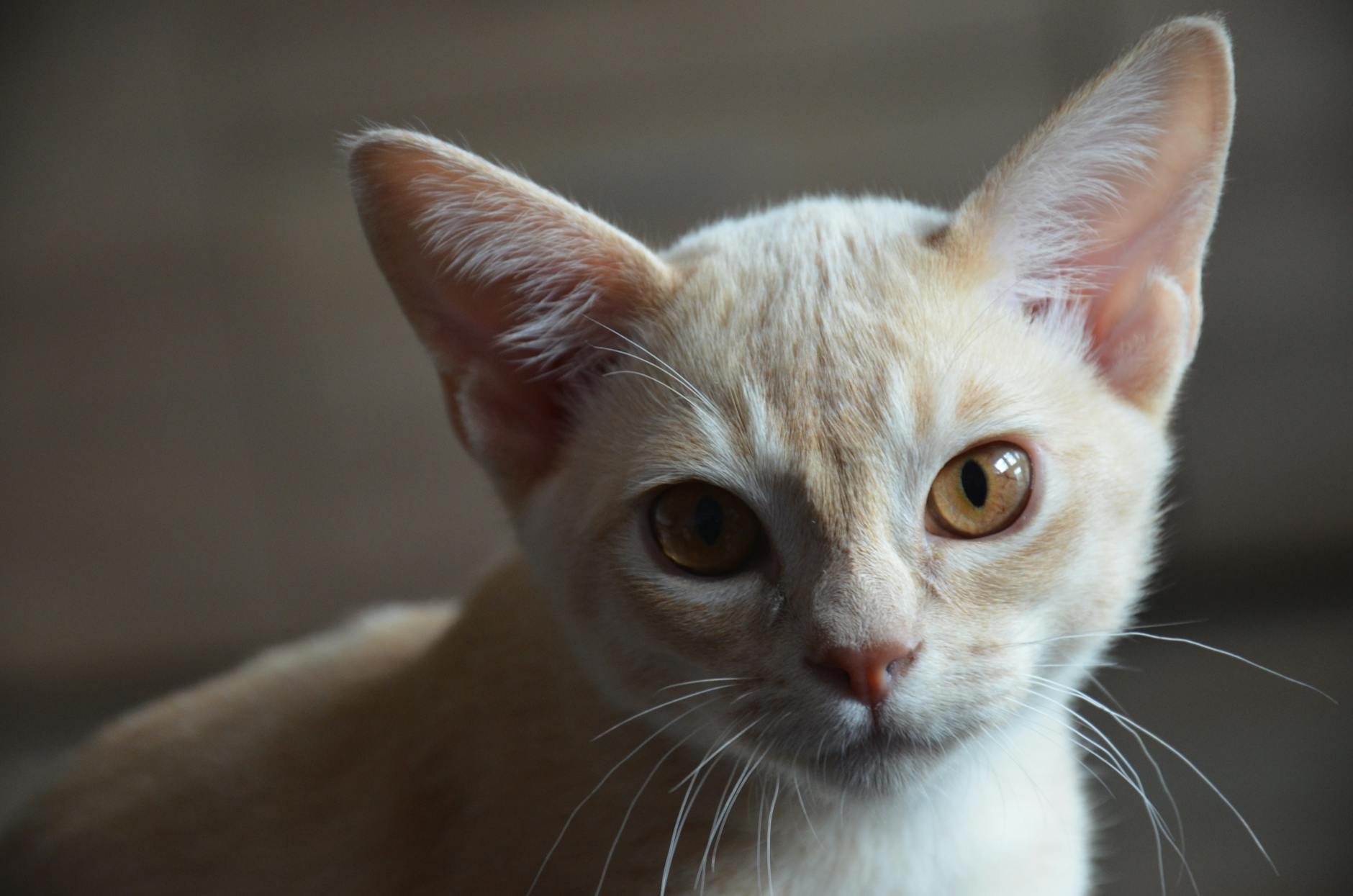
The apparent contradiction of cats loving something that makes them sick has a straightforward explanation rooted in feline biology and behavior. Cats are attracted to milk primarily because of its fat content. As obligate carnivores evolved to hunt prey, cats developed taste preferences that draw them toward animal fats and proteins. The creamy richness of milk triggers the same reward response as the fat found in their natural prey, making milk appealing regardless of its digestive consequences.
Cats also lack the cognitive ability to connect cause and effect over the time delay between drinking milk and experiencing symptoms. When a cat drinks milk, the immediate sensory experience is pleasant: the appealing taste and the satisfaction of consuming something palatable. The digestive upset that follows hours later is not mentally linked to the earlier treat. This disconnect means cats will repeatedly seek out milk despite having suffered negative consequences from it before, much like a dog that keeps raiding the trash despite subsequent stomach upset.
What Should You Give Cats Instead of Milk?
Fresh, clean water should be the primary beverage for all cats, and many cats that seem disinterested in water are actually not drinking enough for optimal health. Increasing water intake can be accomplished through strategies like providing multiple water stations, using water fountains that appeal to cats’ preference for moving water, or adding water to wet food. For owners who want to offer occasional liquid treats, low-sodium chicken or beef broth without onion or garlic provides flavor cats enjoy without lactose or excessive calories.
The pet industry has also developed various cat-safe treat options that satisfy the desire to give cats special indulgences. Freeze-dried meat treats, small amounts of cooked plain chicken or fish, and commercial cat treats formulated for feline nutrition all serve this purpose without the risks associated with dairy. These alternatives align with cats’ biological needs as carnivores while still allowing owners the pleasure of treating their pets.
Conclusion
The romantic image of cats and milk persists despite the biological reality that most adult cats cannot properly digest lactose. While some individual cats tolerate small amounts of dairy without obvious distress, the potential for digestive upset, combined with the lack of nutritional benefit and risk of excess calories, makes regular milk consumption inadvisable for the majority of cats. Understanding this disconnect between cultural myth and veterinary science helps cat owners make better decisions about what to feed their pets.
For those who wish to occasionally offer their cats a milk-like treat, lactose-free products formulated specifically for cats represent the safest option. However, fresh water remains the ideal beverage, and high-quality cat food provides complete nutrition without supplementation. The kindest approach to cat care involves setting aside appealing but inaccurate notions about what cats should eat and focusing instead on what actually supports their health and wellbeing.