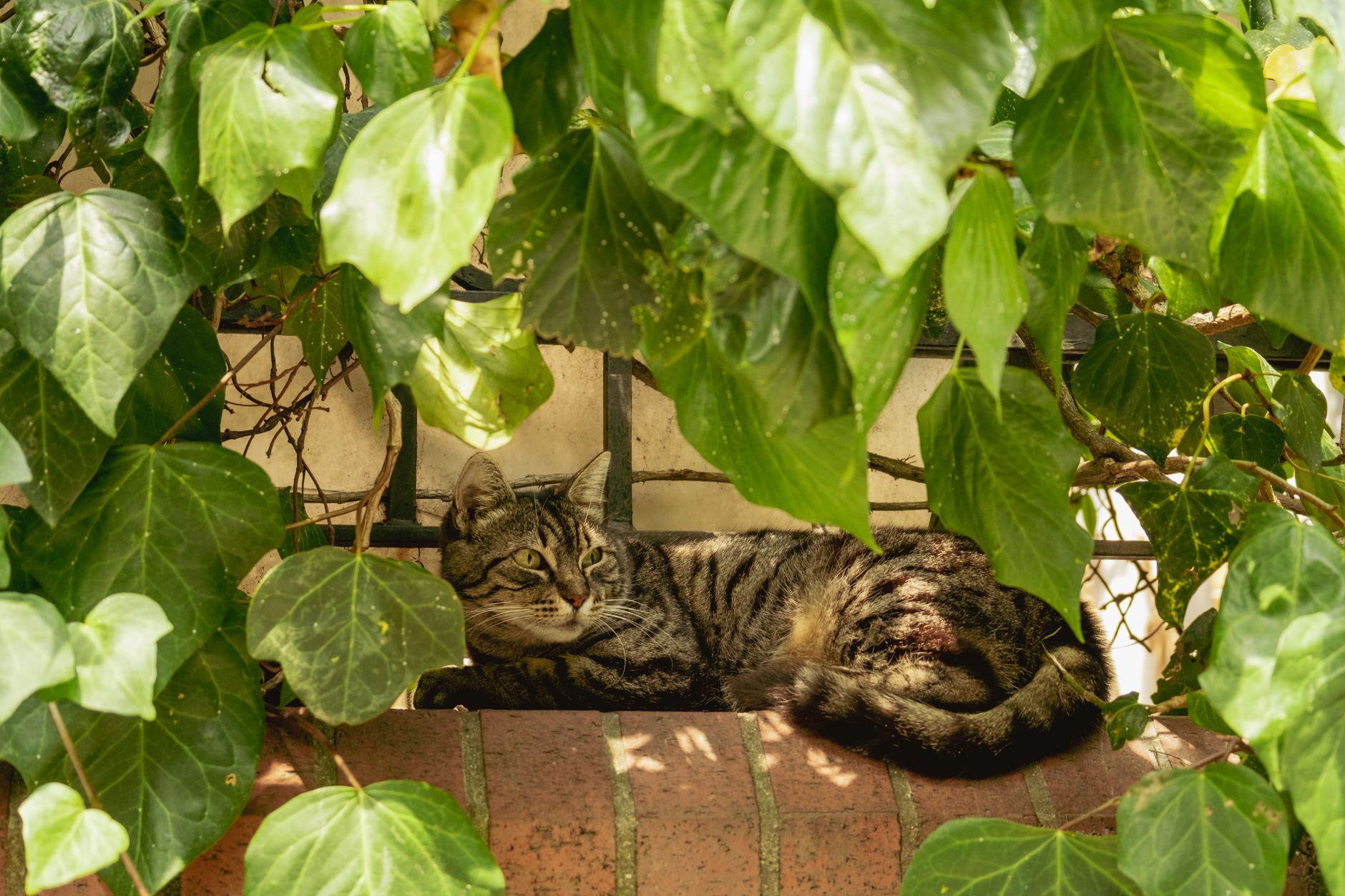
The best height for a multi-cat household is 60-72 inches (152-183 cm). That height stacks separate perches so each cat can hold its own vertical territory, meaning a personal high resting spot, without floor-level conflict. PawMivo reports this range works because stacked perches create separate territories in homes with more than one cat, according to the PawMivo height guide. Most cats also use that height to survey the room while staying apart from housemates.
Table of Contents
- Why stacked height reduces tension
- What should a shared tree include?
- When is tall the wrong choice?
- Where should you put it and how do you secure it?
Why stacked height reduces tension
High perches let cats share a room without forced closeness. One cat can rest at the top while another takes a middle platform or an enclosed hide. Each animal keeps a clear escape route and a view. Veterinary enrichment guidance for multi-cat homes calls for 1-3 meters of social distance, horizontally and vertically.
Herron and Buffington describe different-height perches as a way to share space without forced proximity in the 2014 Herron and Buffington review. That separation matters because popular perches get time-shared. A tall tree with several beds lets cats rotate through the favorite spot across the day. Treat My Cat gives the same practical advice for placement near household activity or a window.
What should a shared tree include?
Two cats can share one tree when it has at least three separate levels. Honest Pet Care sets that minimum plus two scratching posts and 20-30 lb capacity per platform in the Honest Pet Care 2026 Buyer's Guide. Size and stability decide whether cats keep using it.
The OJCommerce pet furniture team recommends large platforms, thick sisal posts, a wide base, and an explicit weight rating for large or multiple cats. Choose the most stable tall model you can fit. Wobble drives cats back to shelves, doors, and the top of the refrigerator.
- Platforms at least 12×14 to 16 inches across
- Wide base of at least 16×16 to 24 inches
- Thick sisal posts and stated weight limit
- Three or more resting spots at different heights
When is tall the wrong choice?
Kittens under 6 months and seniors over about 10 years need low trees of roughly 24-40 inches. PawMivo places kittens and seniors in that lower band and reserves taller models for healthy adults. Keep jumps under 12 inches, with 8-10 inch spacing between levels for stiff or very young cats.
Add a ramp or steps where climbing looks hard. Pick a ground-level condo so a frail cat can still hide and rest without climbing. Watch for missed jumps, hesitation, or sleeping only on the floor. Those signs mean lower the climbing path before adding height.
Where should you put it and how do you secure it?
Put the tree where the household gathers or near a window. Cats use high spots to watch people, birds, and other pets. Provide enclosed hides plus several beds so no cat must guard the only good perch.
Fix tall towers against tipping. The OJCommerce pet furniture team advises wall attachment with an anti-tip strap for trees over about 60 inches because leaping by heavy or multiple cats can tip a freestanding tower, explained in the OJCommerce pet furniture FAQ. Anchor the tower to a wall stud before the first climb. Test it with a firm side push at the top.