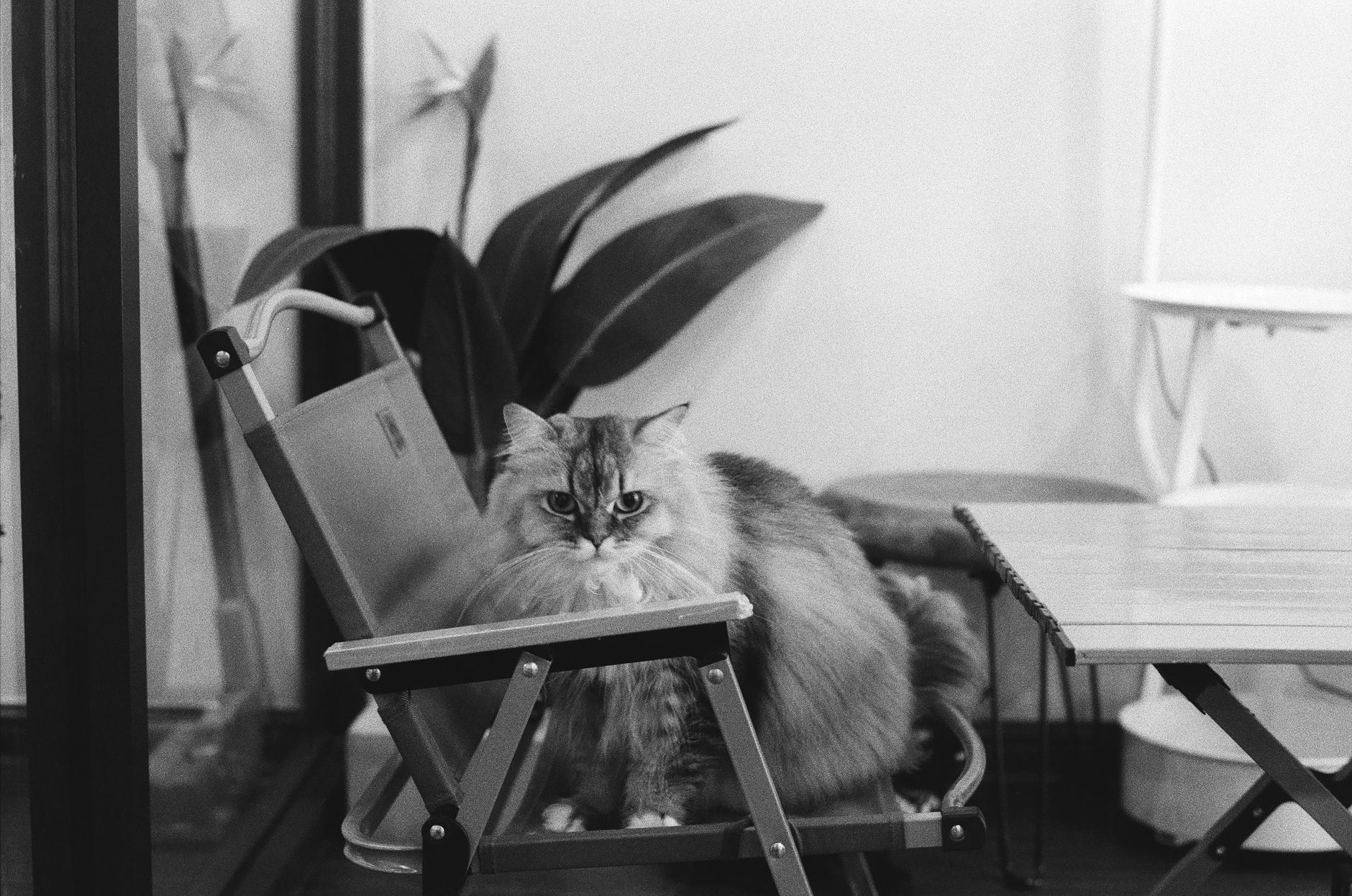
Your cat ignores its bed because the spot is too cold, too hot, too exposed, or too lonely. Cats choose sleep spots for comfort and safety, not for cost or looks.
The thermoneutral zone means the temperature range where a cat holds body heat without extra effort. Cat-behavior experts cited by Adopt-a-Pet say temperature drives most sleep moves, with cats rotating among warm spots in cool weather and cooler floors in heat, as described in the Adopt-a-Pet sleeping-spot guide. That mismatch leaves a fixed bed unused.
Table of Contents
- Is temperature driving the move?
- Does your cat want hiding or company?
- Is the bed in the wrong place?
- When is bed rejection a vet visit?
Is temperature driving the move?
Domestic cats have a thermoneutral zone of about 86-97°F, well above typical human room settings. Hide and Scratch, citing National Research Council research from 2006, reports that small insulated spaces that trap body heat feel more comfortable than an open bed, as explained in the Hide and Scratch box guide.
Watch where your cat goes by season. A sunny chair, warm laundry pile, or enclosed nook wins in cool months. Tile, sinks, tubs, or shaded floors win during heat.
Does your cat want hiding or company?
Cats Protection describes hiding as normal sleep behavior because cats feel vulnerable while sleeping. Cats may sleep at least 12 hours daily, so they need that refuge often.
In a 14-day Utrecht shelter study of 19 newly arrived cats, the group given a hiding box had lower stress scores on days 3-4 and recovered by day 3 to the level no-box cats reached only by day 14, according to the Utrecht University research portal in the Utrecht hiding-box study record. Adopt-a-Pet also links bed rejection to social comfort, since group proximity aids predator detection and familiar scent draws cats to couches, bedrooms, and laundry.
Is the bed in the wrong place?
Veterinary-reviewed placement advice from Catster, reviewed by Dr. Maxbetter Vizelberg, says to put beds in quiet, secure areas away from hallways, loud noises, and stressors.
Noise, foot traffic, drafts, poor visibility, or no escape route cause avoidance. The box result comes from stressed shelter cats over two weeks, not settled pets. Test options near spots your cat already chose and keep familiar scent.
- Move one bed next to the couch, chair, or sun spot in use now.
- Pick a quiet corner with a wall behind and a clear view out.
- Try slightly elevated, snug sides, plus a washable cover that holds warmth.
- Keep the old blanket unwashed for scent during the trial.
When is bed rejection a vet visit?
VCA Animal Hospitals states cats instinctively hide or mask pain. Warning signs include withdrawal, hiding, and changed sleep amount, position, or location. Treat a sudden change as health information when it pairs with other shifts.
A new floor-sleeping habit plus stiffness, missed jumps, less eating, or poor grooming warrants a veterinary exam. Note start date, new spots, appetite, grooming, litter habits, and mobility for the visit. Book promptly rather than buying another bed first.