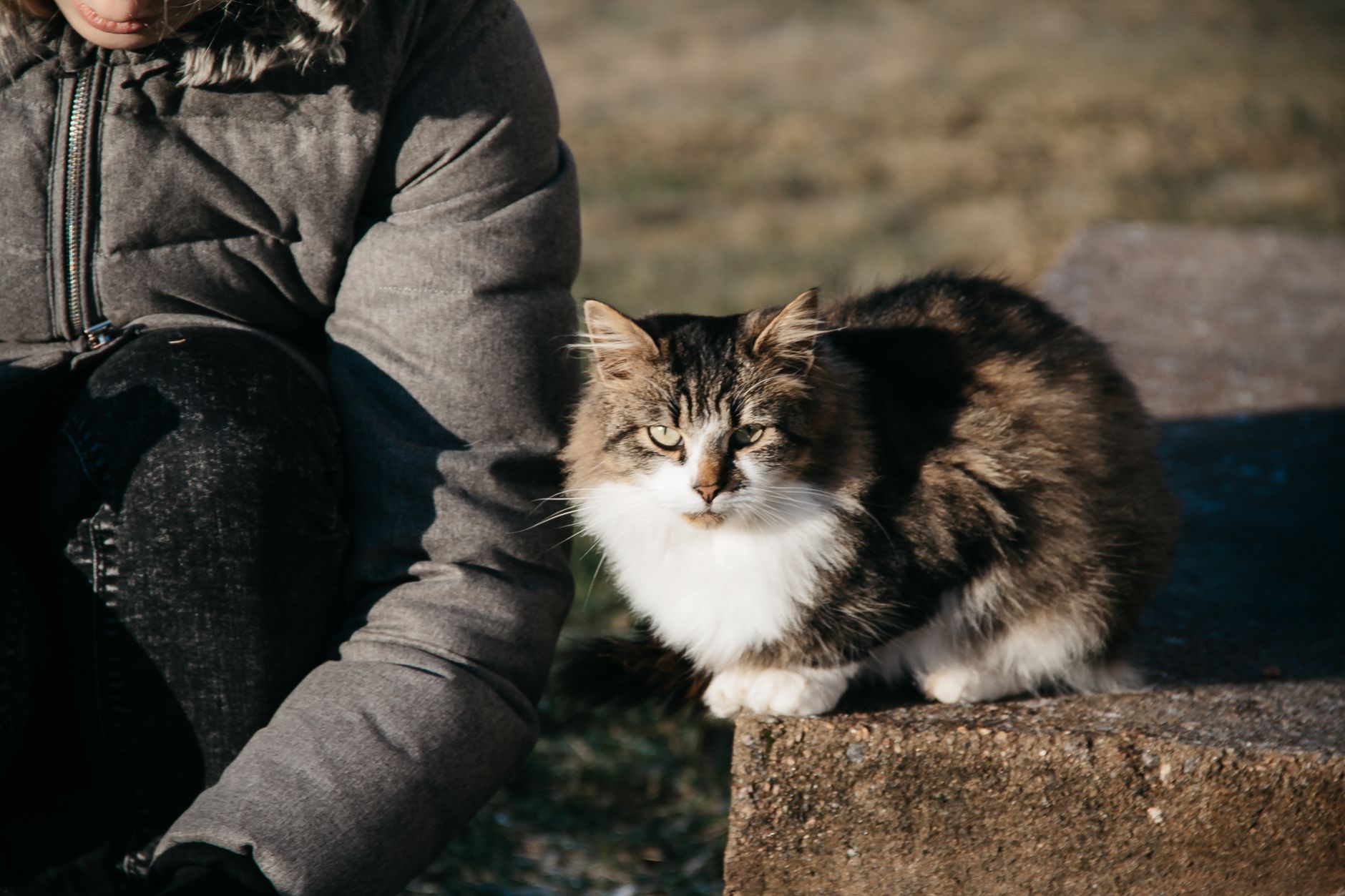
Ginger tomcat Frank is back with owner Joan after nearly 500 days missing from Glasgow. A microchip, a tiny ID capsule under the skin read with a scanner, identified him after capture.
According to Cat Standard in its reunion report on Frank, he vanished from home in June 2025. Cat Standard reports the break came after months of quiet garden visits. Shelter, food, and a humane trap led to a scan that linked the stray to Joan.
Table of Contents
- How was the stray cat finally caught?
- How did a microchip prove he was Frank?
- Why did this reunion matter so much?
- What should owners in Scotland do now?
How was the stray cat finally caught?
A woman noticed a thin, wary ginger cat visiting a friend's garden. The visits continued for about six months. The household gave shelter and food.
Cats Protection Glasgow stepped in with a humane trap. A humane trap catches without injury so a volunteer can scan for a chip. The team caught the elusive cat safely.
How did a microchip prove he was Frank?
According to Good News Post in its account of Frank's rescue and scan, volunteers scanned him after capture and found the chip implanted when he was a kitten. The number linked him to Joan.
Welfare team leader Kirsty Ayres drove Frank to Joan's veterinary surgery in a covered carrier. Joan recognized him when he meowed on hearing his name. The cover helps a stressed cat stay calm by blocking sights and movement.
Why did this reunion matter so much?
Joan is a veterinarian. She adopted Frank eight years earlier.
The Glasgow Times reports he had been found as a stray near Fort William. He was surviving on scraps. That long shared history made his return personal.
What should owners in Scotland do now?
Cats Protection connects the case to its petition for compulsory microchipping in Scotland. The charity wants owned cats chipped by law, as already required for dogs and for cats in England.
Microchipping stays voluntary for cats in Scotland for now. That makes the owner's records decisive. Frank's return depended on a registered, up-to-date chip.
- check registration with your chip database
- update phone and address after every move
- ask your practice to scan and confirm at a visit