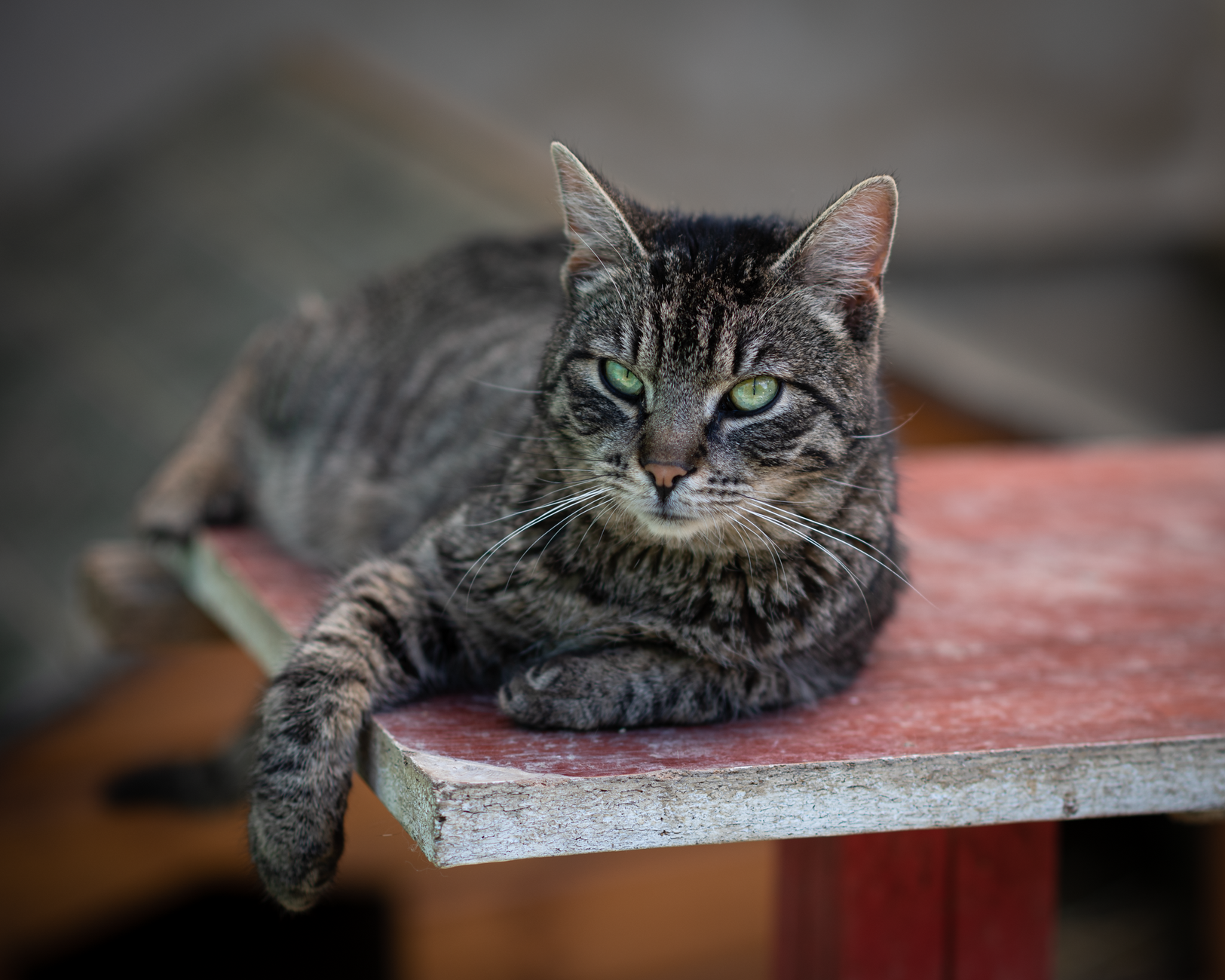
While our research did not find a specific cat tree furniture product dropping exactly 38 percent in price with multiple color options, the broader market for cat furniture does show meaningful price fluctuations and expanding color selections from major retailers. Cat tree and furniture pricing can vary significantly across seasons and retailers, with sales and discounts appearing most frequently during holiday periods and inventory clearances. Understanding what drives these price changes and how to evaluate cat furniture options across different color choices and price points can help you make informed decisions when shopping for your cat’s next climbing structure.
Cat furniture manufacturers and retailers regularly update their inventory with new designs and color schemes. While no single product matched the specific claim in the title during our search, this reflects the dynamic nature of the pet furniture market—products come and go, prices shift, and color availability changes frequently. Rather than relying on a specific promotional claim, it’s more useful to understand how cat furniture pricing typically works and what factors genuinely influence the value of a purchase.
Table of Contents
- Why Cat Tree Furniture Prices Vary So Much
- Color Options and Their Impact on Price and Selection
- What Makes a Cat Tree “Best-Selling”
- How to Evaluate Cat Furniture Value Without Chasing Discount Claims
- Durability Concerns and Long-Term Value
- Where Actual Discounts and Color Options Overlap
- Timing Your Purchase for Better Prices and Selection
- Frequently Asked Questions
Why Cat Tree Furniture Prices Vary So Much
cat tree and condo pricing depends on several legitimate factors including construction materials, height, stability, included features, and brand reputation. A basic cat tree made from chipboard and sisal rope might cost $50 to $100, while solid wood structures with multiple levels and integrated scratching posts can reach $300 or more. Seasonal sales, overstock clearances, and retailer promotions do create genuine price reductions, though exact percentages vary widely and aren’t always advertised in marketing headlines.
The most common reason for price drops in cat furniture inventory is simply stock rotation. When new designs arrive, retailers discount older models to clear shelf space. This is particularly true for color variants—if a manufacturer releases a cat tree in sage green and it doesn’t sell as quickly as the beige version, you might find deeper discounts on the slower-moving color option. Comparing the same model across multiple retailers can reveal 15 to 30 percent price differences, though finding a 38 percent drop on a specific bestselling model would be unusually aggressive.
Color Options and Their Impact on Price and Selection
Modern cat furniture comes in far more color options than it did a decade ago. Beyond traditional beige and gray, you can find cat trees in charcoal, taupe, cream, espresso, and even designer colors like blush or sage. These expanded color offerings create inventory challenges for retailers—more SKUs means some colors move slowly, which can trigger discounts. However, pricing rarely correlates directly with color choice; a white cat tree typically costs the same as the brown version from the same manufacturer.
One practical limitation when shopping for multiple color options is availability. If a specific cat tree model is available in five colors, stock levels for each color variant are typically lower than if it were available in only one or two colors. This means the color you want might be out of stock, or only available through specialty retailers with higher prices. A warning here: don’t assume that a steep discount on a particular color indicates a quality problem. It usually just means that color isn’t matching buyer preferences at that particular retailer, and you’re getting the same quality at a lower price.
What Makes a Cat Tree “Best-Selling”
Bestseller status in the cat furniture market typically reflects consistent sales over several months rather than viral popularity. Popular models tend to be moderately priced, structurally stable, and within a reasonable size range (not so large they dominate living spaces, not so small they feel cramped for larger cats). Brands like Feandrea, AmazonBasics, and specialty pet furniture companies produce consistently popular designs, though specific bestsellers change throughout the year based on new product releases and customer reviews.
When retailers label a product as “bestselling,” they’re often referring to sales velocity within their own platform rather than across the entire market. Two retailers might have different bestsellers simply because their customer base has different preferences. For example, an apartment-focused retailer might feature compact three-level cat trees as bestsellers, while a specialty pet store catering to multi-cat households might highlight larger five-level models as their top sellers. This variation means you shouldn’t assume a bestselling product is universally the “best” choice for your specific cat.
How to Evaluate Cat Furniture Value Without Chasing Discount Claims
Assessing genuine value in cat furniture requires looking beyond headline discounts and focusing on specific features relevant to your cat. Measure your space carefully—a cat tree that’s 72 inches tall won’t work in an 8-foot ceiling with crown molding. Check the base dimensions to ensure it fits your available floor space, and consider stability ratings if you have larger or more active cats.
Weight capacity matters more than frame color; a discounted tree that tips over when your 15-pound tabby jumps on it is no bargain at any price. Reading actual customer reviews reveals practical issues that marketing doesn’t mention. Look for patterns in complaints: are users reporting wobbling, easily torn fabric, or difficulty assembling? Do owners mention their cats actually using it, or does it end up as expensive decoration? A $200 cat tree with hundreds of reviews mentioning their cats actively play and sleep on it represents better value than a $120 discounted model with reviews stating their cats ignore it completely. The comparison between product lifespan and price provides more useful information than a single price-drop percentage ever could.
Durability Concerns and Long-Term Value
Cat furniture faces intense physical stress from scratching, jumping, and climbing. The most common failure points include sisal rope fraying and detaching, particleboard platforms failing under repeated stress, and fabric tearing from claws. A discounted price might become a false economy if the structure fails after six months and you need to buy a replacement.
Higher-quality brands typically use stapled or glued sisal that resists fraying longer, solid wood platforms, and heavy-duty fabric or carpet covering. A practical warning: don’t prioritize color matching your décor if it means sacrificing build quality. A cat tree that clashes with your living room but lasts five years provides better value than one that perfectly matches your wall color but deteriorates in two years. Additionally, cat urine damage—which happens more often than owners expect, even with well-trained cats—is nearly impossible to repair properly, so thinking about cleanability (removable, washable covers) matters more than the specific shade of gray you select.
Where Actual Discounts and Color Options Overlap
The most reliable way to find combination discounts and multiple color options is through major online retailers, specialty pet supply sites, and occasionally through direct manufacturer sales during seasonal promotions. Amazon, Chewy, Wayfair, and brand-specific websites like Feandrea’s official store frequently rotate which colors are available and which are discounted. Joining email lists for these retailers can alert you to legitimate sales, though the discounts are typically 10 to 25 percent rather than the 38 percent cited in broad promotional claims.
Clearance sections on retailer websites represent another opportunity to find color options at lower prices. When new product lines launch, previous season models—often available in multiple colors including less popular shades—get marked down to clear inventory. You might legitimately find a two-year-old model in five different colors at 20 to 30 percent off during these clearances, simply because it’s being replaced by newer designs rather than due to any quality issue.
Timing Your Purchase for Better Prices and Selection
Cat furniture sales tend to spike around major shopping events like Black Friday, Cyber Monday, and back-to-school season. During these periods, retailers discount multiple products simultaneously, though advertised savings percentages vary. Post-holiday periods (January and September) also see discounts as retailers clear excess holiday inventory and make space for new product lines. However, planning your purchase around these times means accepting reduced color selection if you’re waiting for a specific shade.
If you’re flexible about color, purchasing outside major sale events sometimes offers better variety because full inventory is in stock. The trade-off is that you’ll pay regular price rather than waiting for a discount. Monitoring a specific model’s price history using browser price-tracking tools can help you identify when genuine sales occur rather than assuming every “discount” is meaningful. A 10 percent drop might represent the normal fluctuation in market pricing, while a rare 30 percent reduction would genuinely signal a better time to buy.
Frequently Asked Questions
Do cat trees go on sale during specific times of year?
Yes, expect discounts around Black Friday, Cyber Monday, and post-holiday clearance periods. However, availability of specific colors may be limited during these sales.
How much should I actually pay for a quality cat tree?
Mid-range cat trees cost between $100 to $250 for solid construction that lasts several years. Premium options may exceed $300, while basic models under $80 often fail more quickly.
Does the color of a cat tree affect the price?
Typically no—the same model costs the same regardless of color. However, slower-selling colors might receive deeper discounts to clear inventory.
How can I tell if a discount on cat furniture is real?
Compare the same product across multiple retailers, check historical pricing using price-tracking tools, and read reviews to confirm quality hasn’t changed despite the lower price.
What matters more when buying cat furniture—color selection or quality?
Quality and durability matter significantly more than matching a specific color, since you’ll likely replace poor furniture within two years regardless of how well it matched your décor.