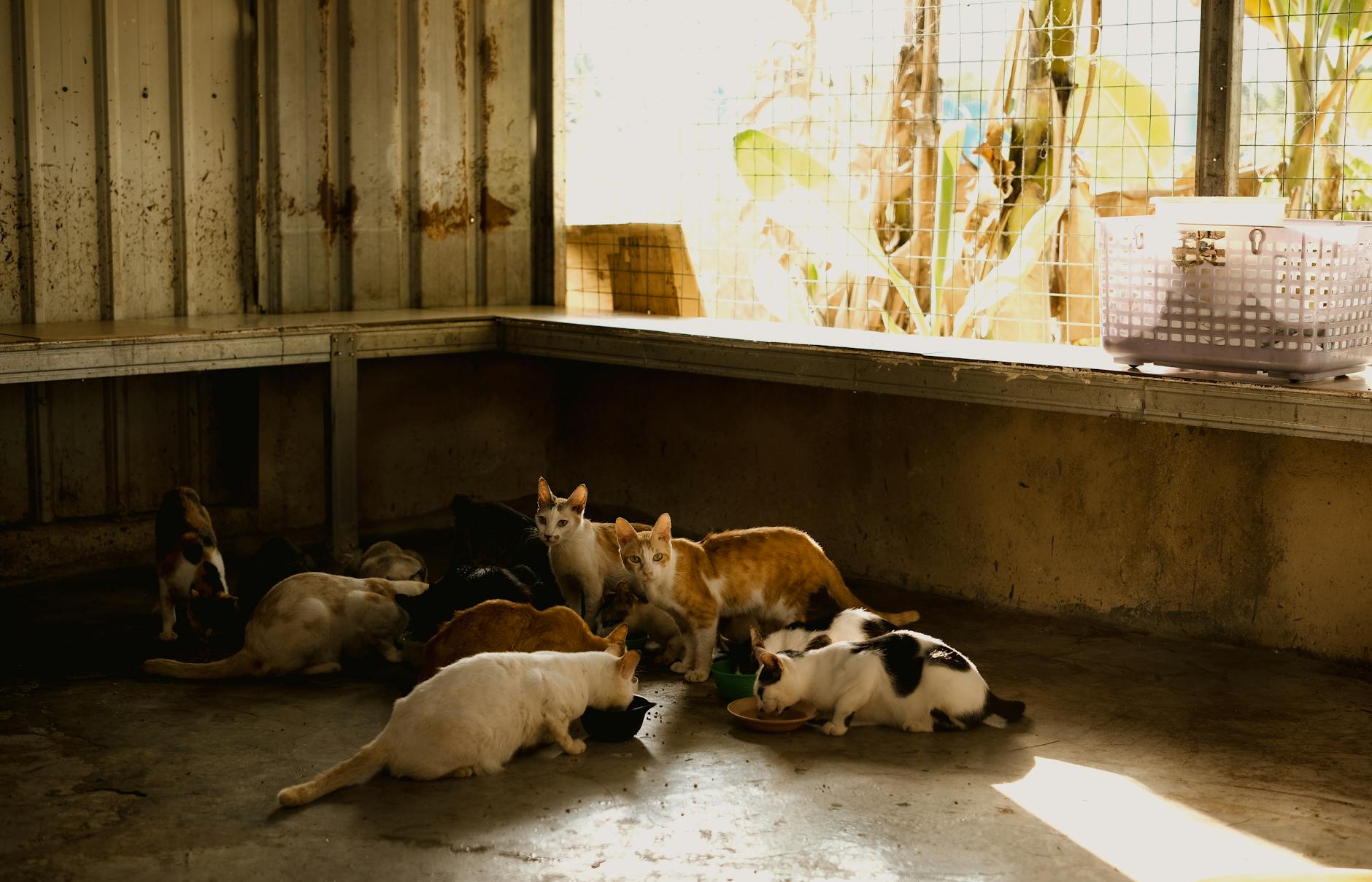
No, cats should not eat Chinese food. While a tiny taste of plain rice or unseasoned cooked chicken might not cause immediate harm, the vast majority of Chinese food dishes contain ingredients that are toxic, dangerous, or nutritionally inappropriate for cats. Garlic and onions””staples in Chinese cooking””are poisonous to felines and can cause hemolytic anemia even in small amounts. The high sodium content, heavy oils, spices, and sugar-laden sauces found in dishes like General Tso’s chicken or beef with broccoli can lead to digestive upset, pancreatitis, and long-term health complications. If your cat has stolen a piece of orange chicken off your plate, a single small bite likely won’t require emergency care, but making Chinese takeout a regular treat or intentional snack is genuinely harmful to your pet.
The reason this question comes up so often is understandable: cats are notorious counter-surfers and food thieves, and they seem intensely interested in whatever their owners are eating. A cat staring longingly at your lo mein can be hard to resist. However, feline digestive systems and nutritional requirements differ dramatically from humans. Cats are obligate carnivores with specific metabolic pathways that make them vulnerable to compounds humans process without issue. What tastes delicious to you can cause anything from mild stomach upset to organ damage in your cat. This article covers which specific Chinese food ingredients pose the greatest risks, what symptoms to watch for if your cat eats something they shouldn’t, which plain proteins might be safer alternatives, and how to handle the persistent begging that makes sharing food so tempting in the first place.
Table of Contents
- Why Is Chinese Food Dangerous for Cats to Eat?
- Common Chinese Food Ingredients That Are Toxic to Cats
- What Happens If My Cat Eats Chinese Food?
- Safe Alternatives: What Human Foods Can Cats Actually Eat?
- Managing a Cat That Begs for or Steals Human Food
- When to Call Your Veterinarian About Human Food Ingestion
- Long-Term Health Considerations for Cats Exposed to Human Foods
- Conclusion
Why Is Chinese Food Dangerous for Cats to Eat?
Chinese cuisine relies heavily on aromatics and seasonings that are directly toxic to cats. Garlic and onions appear in nearly every savory Chinese dish, whether as minced additions to stir-fries, incorporated into sauces, or used as base flavoring in broths and marinades. Both belong to the Allium family and contain compounds called thiosulfates that cats cannot metabolize. These compounds damage red blood cells, leading to a condition called Heinz body anemia. Unlike dogs, who can tolerate small amounts of these ingredients, cats are extraordinarily sensitive””even garlic powder or onion in dried form poses a threat. A single clove of garlic or a quarter cup of onion can cause clinical signs of toxicity in an average-sized cat.
Beyond the alliums, Chinese food presents a cascade of other problems. Soy sauce contains roughly 900 milligrams of sodium per tablespoon, and cats require only about 21 milligrams of sodium per day in their entire diet. A cat licking sauce residue from a plate could easily consume several days’ worth of sodium in seconds, risking salt toxicity that manifests as vomiting, diarrhea, excessive thirst, and in severe cases, tremors or seizures. The cooking oils used in deep-frying and stir-frying add fat loads that feline pancreases struggle to process. Pancreatitis in cats can be triggered by a single high-fat meal and may become a chronic, life-threatening condition. Comparing Chinese food to other human cuisines doesn’t necessarily make alternatives safer””Italian food has garlic, Mexican food has onions, and American fast food has excessive salt””but Chinese takeout tends to combine all these hazards in concentrated form within each dish. The layered sauces, the marinated proteins, and the heavily seasoned vegetables create a minefield of potential toxins rather than a single ingredient to avoid.
Common Chinese Food Ingredients That Are Toxic to Cats
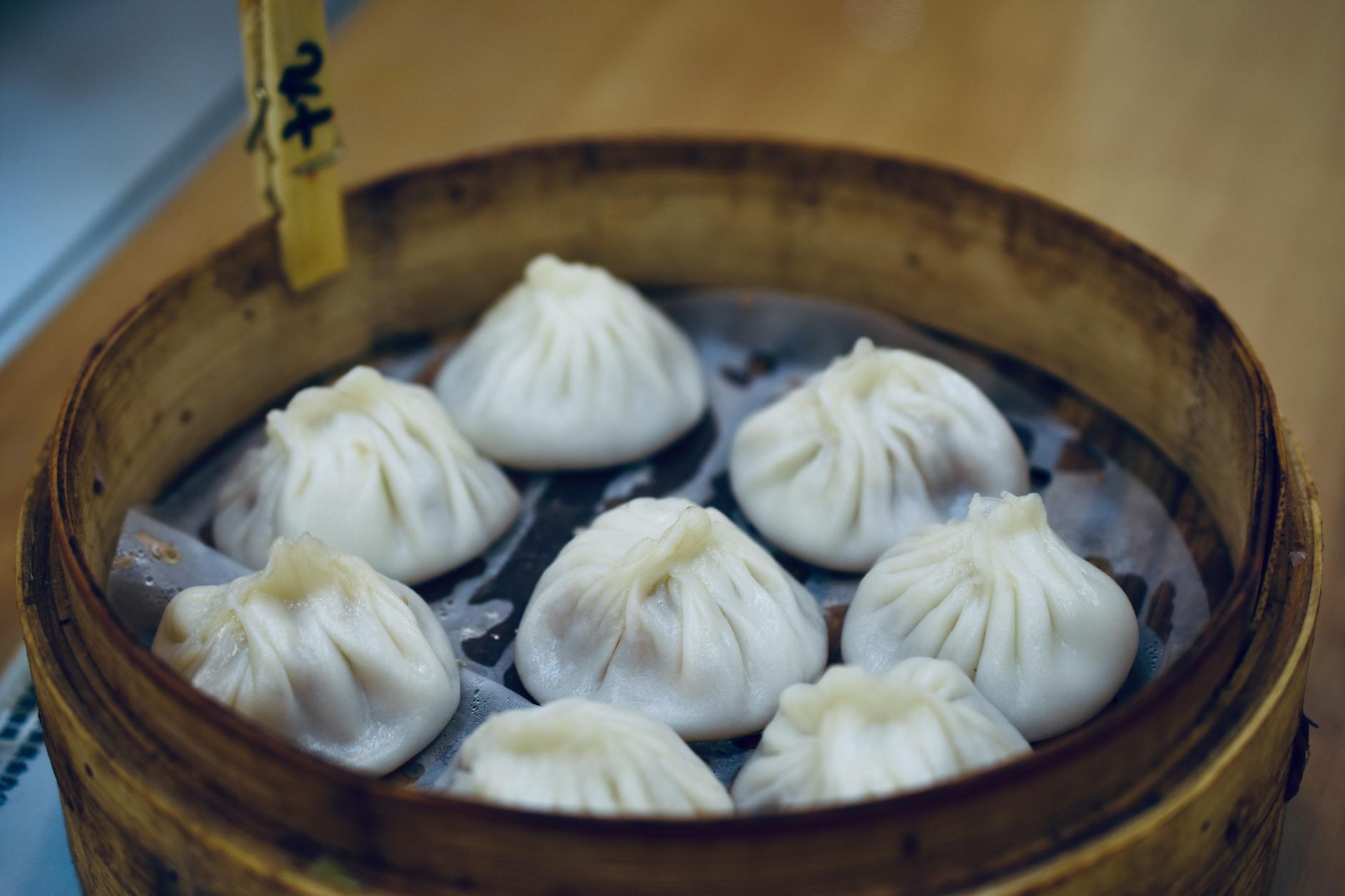
Understanding exactly which ingredients cause harm helps cat owners assess risk when accidents happen. Garlic tops the list as the most toxic common ingredient, with toxicity occurring at approximately 1 gram of garlic per 5 pounds of body weight. Since an average garlic clove weighs 3-7 grams and an average cat weighs 8-10 pounds, even partial consumption of a single clove crosses into dangerous territory. Onions require larger quantities for equivalent toxicity but remain a serious concern, especially given how frequently they appear in Chinese cooking. Scallions, leeks, chives, and shallots””all common in Asian cuisines””belong to the same family and carry identical risks. Monosodium glutamate (MSG), while controversial in human health discussions, appears to be relatively safe for cats in small amounts based on limited veterinary research. However, MSG almost never appears in isolation””it accompanies the sodium, oils, and other seasonings that do cause problems.
Some Chinese dishes include ingredients that owners might not immediately recognize as dangerous. Five-spice powder contains star anise, which is toxic to cats. Certain mushroom varieties used in Chinese cooking can cause gastrointestinal upset. Sugar and corn syrup in sweet sauces contribute to obesity and diabetes risk with repeated exposure. The limitation here is dose-dependency. A cat who licks a drop of soy sauce faces different consequences than one who eats an entire piece of garlic chicken. However, because cat owners rarely know exactly how much of each ingredient their cat consumed during a theft, erring toward caution makes sense. If your cat ate Chinese food and you’re unsure whether garlic or onion was present, assume it was””these ingredients appear in dishes where you might not expect them, including seemingly plain fried rice or steamed vegetable dishes.
What Happens If My Cat Eats Chinese Food?
Immediate symptoms following Chinese food consumption typically involve the digestive system. Within 2-6 hours, you may notice vomiting, diarrhea, drooling, or loss of appetite. These gastrointestinal signs often result from the high fat content, spices, or sodium rather than the more insidious allium toxicity. A cat who vomits once and then returns to normal behavior within 24 hours likely experienced simple digestive upset from rich food. Providing access to fresh water, withholding food for 12 hours to let the stomach settle, and monitoring for worsening symptoms constitutes appropriate home care for mild cases. Allium toxicity, however, develops more slowly and insidiously. Symptoms may not appear for 2-4 days after ingestion as the damage to red blood cells accumulates.
Watch for lethargy, weakness, pale or yellowish gums, rapid breathing, decreased appetite, and dark-colored urine. These signs indicate anemia and require immediate veterinary attention. A cat displaying these symptoms needs bloodwork to assess red blood cell counts and may require hospitalization, IV fluids, or blood transfusions in severe cases. The delayed onset means owners sometimes fail to connect the symptoms to the Chinese food incident from days earlier. For example, a cat owner might notice their pet stole a piece of kung pao chicken on Monday, observe some vomiting that evening, assume the cat recovered by Tuesday, and then face a lethargic, weak cat on Thursday or Friday without realizing the connection. If your cat consumes Chinese food containing garlic or onion, contact your veterinarian or an animal poison control hotline regardless of whether immediate symptoms appear. They can advise whether induced vomiting, activated charcoal, or monitoring at home is most appropriate based on the estimated quantity consumed and your cat’s size.
Safe Alternatives: What Human Foods Can Cats Actually Eat?
If you want to share mealtime with your cat without the risks of Chinese takeout, focusing on plain, unseasoned proteins provides the safest option. Boiled or baked chicken breast with no salt, garlic, or oil offers a treat most cats find irresistible. Plain cooked shrimp””a protein that might make you think of Chinese cuisine””is safe in small amounts as an occasional treat. Scrambled eggs cooked without butter or seasoning provide protein and variety. These foods align with cats’ obligate carnivore biology and don’t introduce the problematic compounds found in prepared human dishes. The tradeoff with offering safe human foods is portion control and nutritional completeness. Human foods, even safe ones, should comprise no more than 10% of a cat’s daily caloric intake.
A 10-pound cat needs roughly 200-250 calories per day, meaning treats should total about 20-25 calories. That’s roughly one tablespoon of cooked chicken. Exceeding this proportion displaces nutritionally complete cat food and can lead to deficiencies over time. Additionally, cats who receive frequent human food often become more persistent beggars and more likely to steal from plates or counters, creating a cycle that increases exposure risk. Comparing store-bought cat treats to human food alternatives involves weighing convenience against ingredient control. Commercial treats formulated for cats contain appropriate nutrient levels and portion sizes, but many include fillers, artificial flavors, or by-products that some owners prefer to avoid. Plain cooked meat gives you complete ingredient control but requires preparation time and careful storage. Neither option is inherently superior; the best choice depends on your priorities and your cat’s individual health needs.
Managing a Cat That Begs for or Steals Human Food
Cats who beg persistently or steal food from plates create ongoing exposure risk regardless of what cuisine you’re eating. This behavior stems partly from their predatory nature””movement and activity around food trigger hunting instincts””and partly from learned behavior reinforced by past success. A cat who stole food once and got something tasty learned that the behavior produces rewards. Breaking this cycle requires consistent responses from everyone in the household. The most effective deterrent combines prevention with alternative rewards. Feed your cat their regular meal before you sit down to eat human food. A cat with a full stomach shows less interest in stealing.
Confine food-motivated cats to another room during mealtimes rather than trying to supervise them at the table. If your cat attempts to steal food, avoid dramatic reactions””yelling or chasing can paradoxically reinforce the behavior by providing attention. Instead, calmly remove the cat and offer an appropriate treat in their feeding area. The warning here involves inconsistency undermining training. If one family member slips the cat bites of food while another enforces rules against begging, the cat receives intermittent reinforcement””the most resistant-to-extinction type of learned behavior. A cat who sometimes gets human food and sometimes doesn’t will try harder and longer than a cat who never receives it. Household agreement on the rules matters more than the specific rules themselves.

When to Call Your Veterinarian About Human Food Ingestion
Not every instance of a cat eating human food requires emergency intervention, but knowing the threshold for professional help prevents both unnecessary panic and dangerous delays. Contact your veterinarian immediately if your cat consumed something containing confirmed or suspected garlic, onion, or related alliums regardless of the amount. Call if your cat shows symptoms beyond mild, short-lived digestive upset. Vomiting or diarrhea lasting more than 24 hours, blood in vomit or stool, signs of pain such as hiding or vocalizing, refusal to eat or drink, or any neurological symptoms like stumbling or tremors warrant professional evaluation.
For example, a cat who ate a single grain of rice off the floor needs no intervention. A cat who ate half an egg roll containing unknown seasoning deserves a call to your vet’s office for guidance””they may advise monitoring at home. A cat who consumed an identifiable piece of garlic chicken should likely be seen, even if appearing fine initially. The ASPCA Animal Poison Control Center (888-426-4435) offers 24/7 consultation for a fee when your regular veterinarian isn’t available.
Long-Term Health Considerations for Cats Exposed to Human Foods
Even cats who survive acute incidents without obvious harm may experience cumulative effects from repeated human food exposure. Chronic high-sodium intake contributes to hypertension, which in cats often manifests as kidney disease, heart problems, or sudden blindness from retinal detachment. Regular consumption of high-fat foods promotes obesity””affecting over 50% of domestic cats””and increases pancreatitis risk.
The metabolic strain of processing inappropriate foods over years contributes to the liver and kidney diseases prevalent in older cats. Looking forward, the best protection for your cat’s long-term health involves establishing and maintaining clear boundaries around human food early in their life. Cats adopted as kittens can be raised never expecting human food, making management far easier than retraining an adult cat with established begging habits. For cats already habituated to receiving table scraps, gradual reduction paired with increased interactive play and appropriate treats can shift their expectations over time.
Conclusion
Chinese food poses genuine health risks to cats due to its reliance on garlic, onion, excessive sodium, heavy oils, and concentrated seasonings. While a cat stealing a single bite may not face immediate crisis, no Chinese dish is truly safe for feline consumption, and regular sharing can cause cumulative harm. Understanding which ingredients are toxic, recognizing symptoms of toxicity, and knowing when to seek veterinary care equips owners to respond appropriately when accidents occur.
The practical path forward involves prevention over treatment. Feed your cat before human mealtimes, secure food out of reach, maintain consistent household rules against sharing, and offer safe alternatives like plain cooked chicken if you want to include your cat in mealtime rituals. Your cat’s disappointed expression when denied a taste of your sesame chicken is far preferable to emergency veterinary bills or chronic health problems down the road.