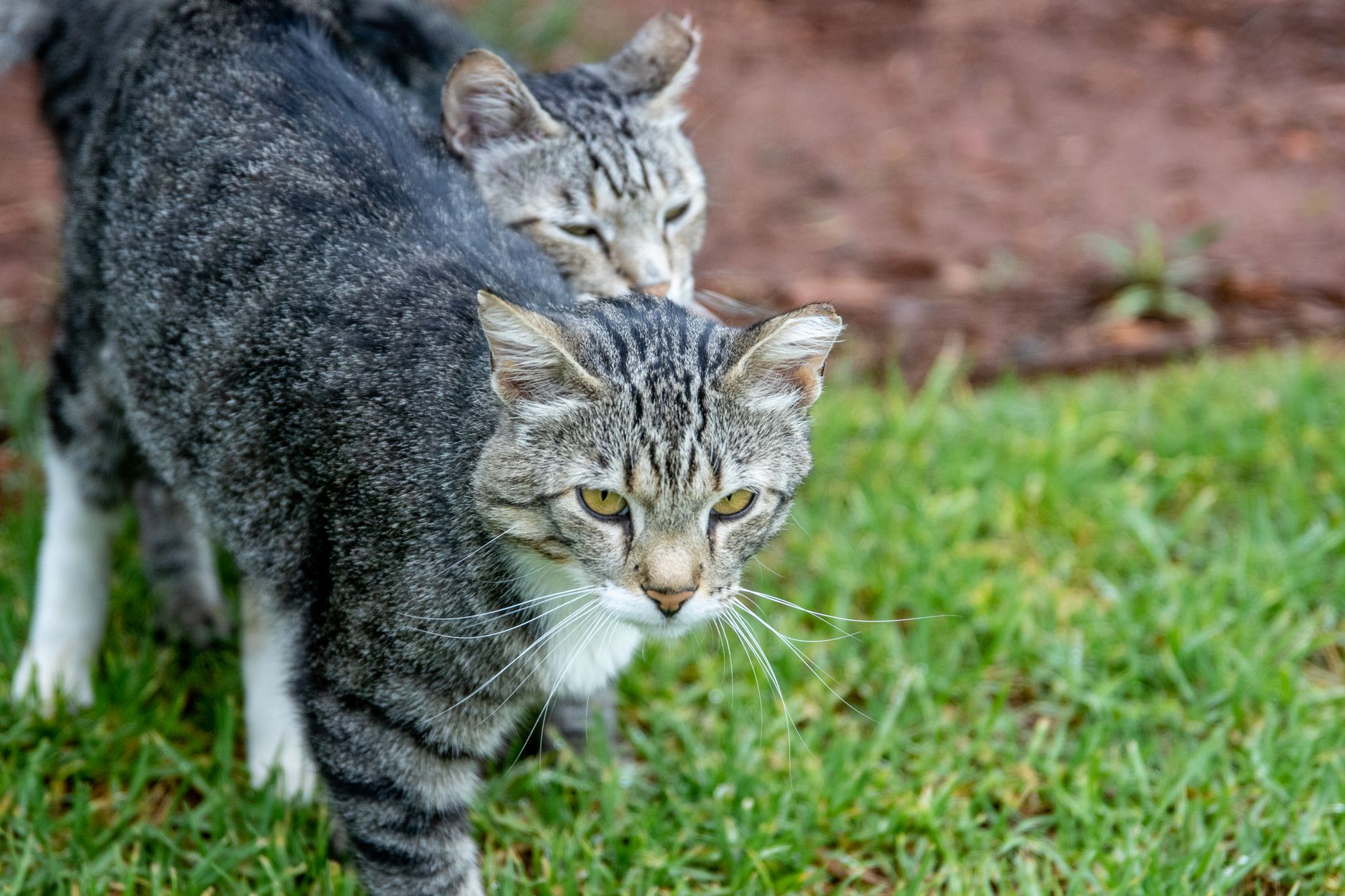
Yes, your cat can pick up fleas from a stray cat outside during close contact. VCA Animal Hospitals reports that pets more often catch fleas from their surroundings than from another animal itself, according to VCA's flea control guide. A stray does not need to touch your cat to start a problem. It can shed flea eggs in your yard, and newly emerged adults from those pupae can later jump onto your pet.
Table of Contents
- How does contact with a stray lead to fleas?
- Where do stray-dropped fleas wait?
- What health problems can follow a stray exposure?
- How do you prevent fleas after strays visit?
How does contact with a stray lead to fleas?
Direct transfer can happen when cats rub, fight, or share a resting spot. A flea-infested stray carries adults that can move to a nearby cat. The larger risk is indirect.
The Merck Veterinary Manual identifies the cat flea, Ctenocephalides felis, as the most common flea on both dogs and cats in North America, according to Merck's overview of fleas in cats. That means strays, pets, and wildlife pass around the same species. Because the species is shared, eggs dropped by a stray can produce fleas that later attack your cat. Your cat may come home clean, then pick up new adults from the yard days later.
Where do stray-dropped fleas wait?
Female fleas lay eggs that fall off the host into the environment. Those eggs hatch into larvae, which are small worm-like young, then form pupae, which are cocooned resting stages. Larvae avoid light and dig in for protection.
Outdoors they settle under grass, leaves, branches, and soil, while indoors they burrow into carpet fibers, floor cracks, and damp basements. Pupae can survive protected in those spots until warmth or vibration signals a cat is near. Then newly emerged adults jump on and feed.
What health problems can follow a stray exposure?
Fleas feed on blood, so heavy numbers can cause severe blood-loss anemia. VCA and Cornell University flag kittens and older, sick, or heavily infested cats as most at risk, according to Cornell's flea health resource. Cats also swallow fleas while grooming.
An infected flea can give the cat Dipylidium tapeworm, an intestinal parasite. Watch for small rice-like segments near the tail or in bedding after exposure. Those segments signal tapeworm and mean the cat needs veterinary care.
How do you prevent fleas after strays visit?
Limit roaming, block entry under decks and sheds, and wash outdoor bedding often. Check your cat with a fine flea comb, especially around the neck, belly, and base of the tail.
Do not assume a recent stray meeting is the direct cause if fleas appear. The Companion Animal Parasite Council notes that dormant pupae can emerge weeks later, so year-round broad-spectrum flea control for every pet plus environmental treatment matters most, according to the Council's general guidelines.