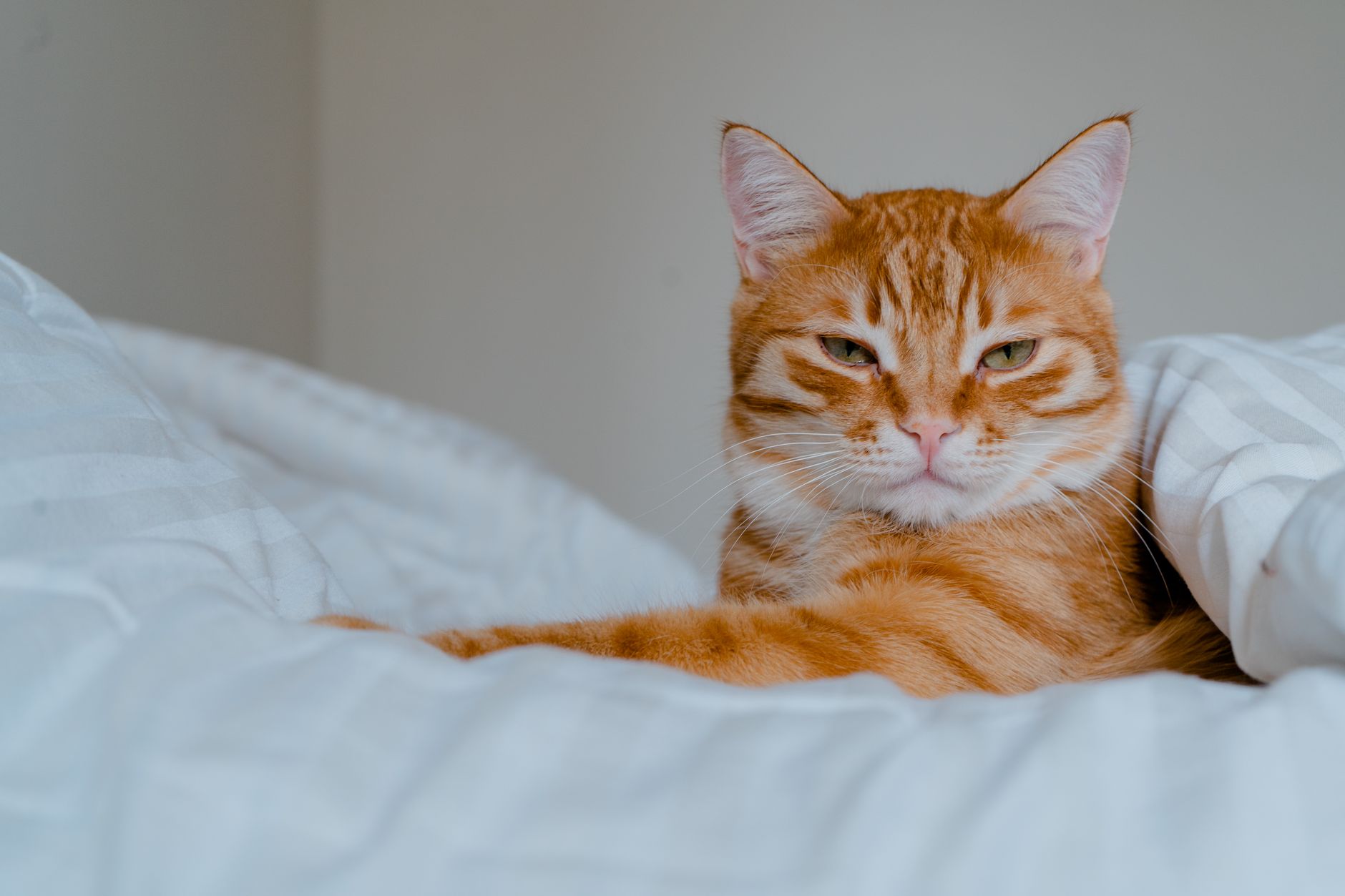
You can host allergic holiday guests with a cat at home with a cat-free bedroom, HEPA cleaning, and a symptom plan. Cat allergy is a reaction to proteins in dander, saliva, and urine, not to hair itself.
The Asthma and Allergy Foundation of America explains that hair, fur, and clothing collect dander and spread other allergens AAFA pet allergy guidance. According to the same source, cat and dog allergies affect an estimated 10-20% of the world's population. Risk is higher for people who already have asthma or other allergies.
Table of Contents
- What triggers symptoms in guests?
- Why is one quick clean not enough?
- How do you make a safer guest bedroom?
- What about medicine and asthma safety?
What triggers symptoms in guests?
Dander is tiny skin flakes. Saliva dries on fur after grooming and then flakes off. Urine residue can also carry allergenic proteins. Clothing, bedding, and fur move these particles through the house. Common reactions include sneezing, runny or stuffy nose, and postnasal drip.
Guests may also get itchy nose, eyes, ears, or mouth, plus red watery eyes. Coughing, hives, wheezing, and shortness of breath can occur. People with asthma or other allergies face higher risk. Ask about pet allergy and asthma before the visit. Early notice lets both sides choose sleeping plans, cleaning steps, and treatment options.
Why is one quick clean not enough?
The major cat allergen is called Fel d 1. It is sticky, stays airborne, and settles into carpets, upholstery, and bedding. Normal tidying moves some of it, but much remains. Thermo Fisher Scientific's Allergen Encyclopedia reports that levels can take months to fall after cat removal, with reduction reported after up to about 20 weeks cat dander entry.
A home with a resident cat holds more allergen than that scenario. Same-day vacuuming cannot fully clear it. Treat the guest room as lower-allergen, not allergen-free. Start keeping the cat out days before guests arrive. Tell sensitive guests what to expect so they can pack medicine and decide about visits.
How do you make a safer guest bedroom?
Pick one bedroom as the clean zone. Keep the cat out and keep it off the guest bed. Wash the bedding in hot water before arrival. Vacuum carpets and upholstery weekly with a HEPA-filter vacuum.
Run a HEPA air cleaner continuously in that room. Use these host steps for the week of the visit: Add washable pillow covers and a smooth throw for extra protection. Keep luggage off the floor and bedroom door closed. Offer a hard-chair sitting area for evening chats away from cat resting spots.
- Close the guest-room door and keep the cat out
- Bar the cat from pillows, blankets, and the bed
- Wash bedding in hot water and change it before guests arrive
- Vacuum carpet, rugs, mattress seams, and upholstery with HEPA filtration
- Run a HEPA air cleaner continuously, not only at night
What about medicine and asthma safety?
Symptom relief commonly uses antihistamines, nasal corticosteroid sprays, decongestants, or eye drops. The American College of Allergy, Asthma and Immunology notes these options and lists immunotherapy, or allergy shots, as longer-term treatment for persistent pet allergy ACAAI pet allergies page. Guests should talk with a pharmacist or clinician about what fits a short stay. Hosts should not choose medicine for guests.
Asthma needs a firmer plan. According to the Asthma and Allergy Foundation of America, pet allergens can trigger an asthma episode within 15-30 minutes of inhalation. Allergic guests with asthma should consult a clinician before visiting. Ask those guests to bring prescribed inhalers and to alert you early about asthma. Keep greetings brief, ventilate common rooms, and let guests retreat to the clean bedroom at the first cough, wheeze, or chest tightness.