The August 2026 premise is misdated: the closest documented New Zealand feral-cat hunting event ended on July 12, not in August, according to the North Canterbury Hunting Competition's 2026 rules. What changed was still significant: the July contest recorded a substantial cull, feral cats entered national predator-control policy, and a late-July project previewed future control methods. In this context, feral-cat control targets cats treated as introduced wild predators, not domestic pets. For owners, the central concern is whether control programs can reliably maintain that distinction.
Table of Contents
- What happened at the July competition?
- Why the national policy shift matters
- The unresolved problem of identifying feral cats
- What should cat owners do?
- What to watch after August
What happened at the July competition?
The North Canterbury Hunting Competition retained feral-cat categories for adults and juniors. Prizes covered the heaviest cat and the highest number killed. Junior entrants were 14 or younger and required adult supervision.
Organizers required box traps and rifles of at least .22 caliber. Hunting had to occur at least 10 kilometers from residential or lifestyle blocks, and participants had to communicate with neighboring properties. cats were scanned for microchips at weigh-in, with microchipped animals disqualified. Farmers Weekly reported a record 1,725 competition entries and said one category winner culled 121 feral cats, making the hunt an actual escalation rather than a proposal under discussion (Farmers Weekly's July 16 report).
Why the national policy shift matters
new Zealand's 2026–2030 Predator Free strategy added feral cats to the introduced predators targeted for removal. The Department of Conservation launched the strategy in March 2026, moving feral-cat control beyond isolated competitions and local pest programs (Department of Conservation strategy). The conservation case centers on harm to native birds, bats, lizards, and insects.
Feral cats can also return to areas after control work, so a single hunt cannot provide lasting protection. Domestic pets are expressly excluded from the national target. The stated approach for companion cats remains responsible ownership, desexing, and microchipping—not treating owned cats as predators.
The unresolved problem of identifying feral cats
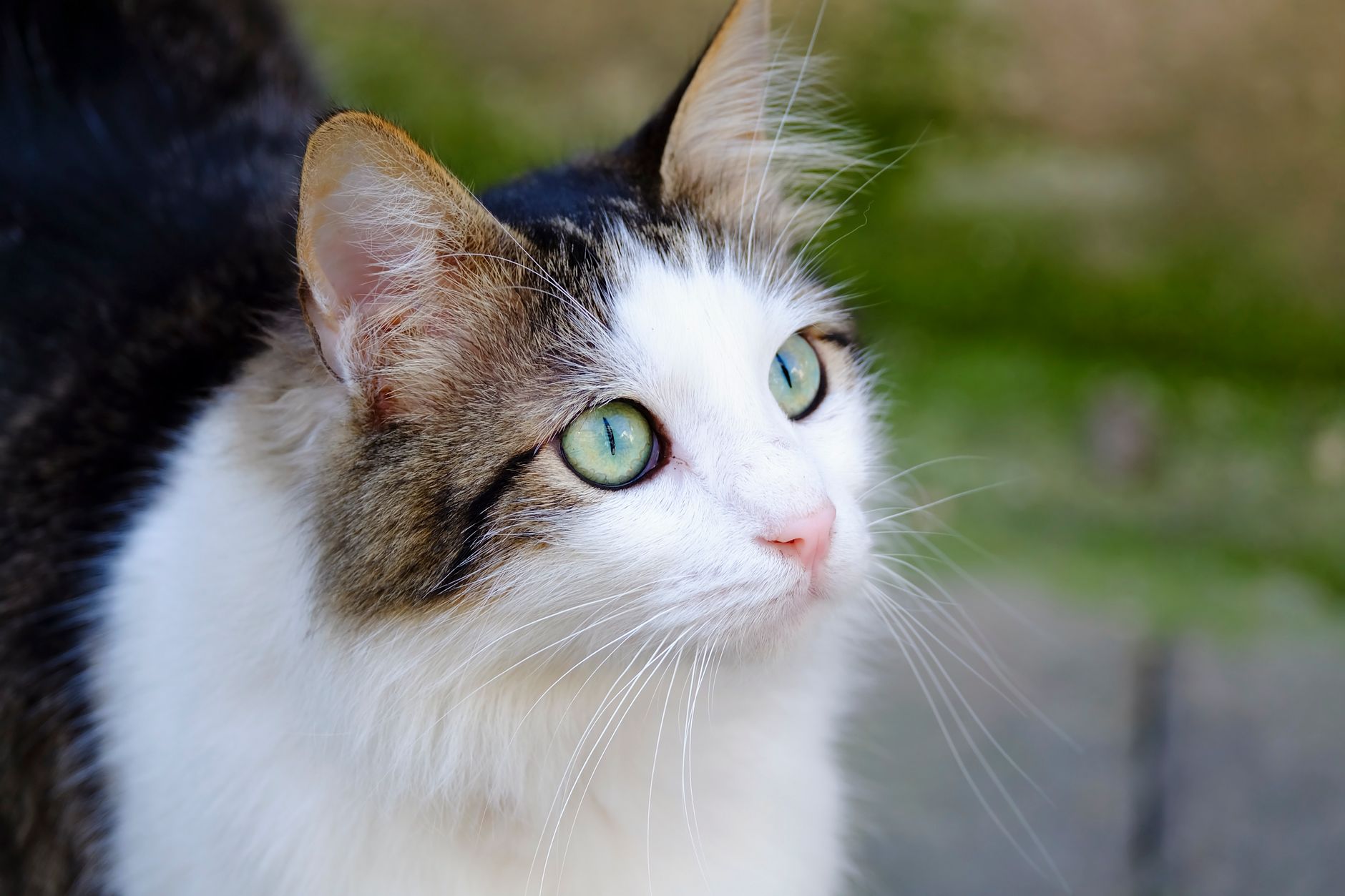
Classification remains the policy's most important practical limit. The Department of Conservation says feral cats can resemble ordinary companion cats, while New Zealand lacks an accurate estimate of the feral population. Competition safeguards reduce some risk but do not eliminate uncertainty.
A microchip scan at weigh-in can identify a chipped pet after it has been brought in; it does not prove that every unchipped cat was feral. This distinction affects both animal welfare and public confidence. Programs need methods that protect owned cats while still addressing animals preying on native wildlife.
What should cat owners do?
Owners cannot control every hunting or conservation program, but they can make their cat's ownership status easier to establish: Microchipping is especially relevant because the competition rules required scanning and disqualified chipped cats. It is a safeguard, however, rather than a complete solution to mistaken classification.
- Have the cat microchipped and keep the registration details current.
- Desex the cat, consistent with New Zealand's stated responsible-ownership approach.
- Speak with neighbors about the cat, especially near rural hunting or predator-control areas.
- Do not rely on appearance, collars, or familiar behavior alone to establish ownership.
What to watch after August
The next development is implementation outside public hunting competitions. On July 29, the conservation minister announced a $3.9 million, three-year Otago project targeting feral cats, stoats, and possums (official Otago investment announcement).
The project will trial AI-enabled traps, detection systems, and rapid-response technology. Readers should watch for evidence that these tools identify targets accurately, prevent harm to domestic cats, and respond effectively when predators reinvade controlled areas. Until those results appear, AI-enabled detection remains a trial—not proof that the cat-classification problem has been solved.