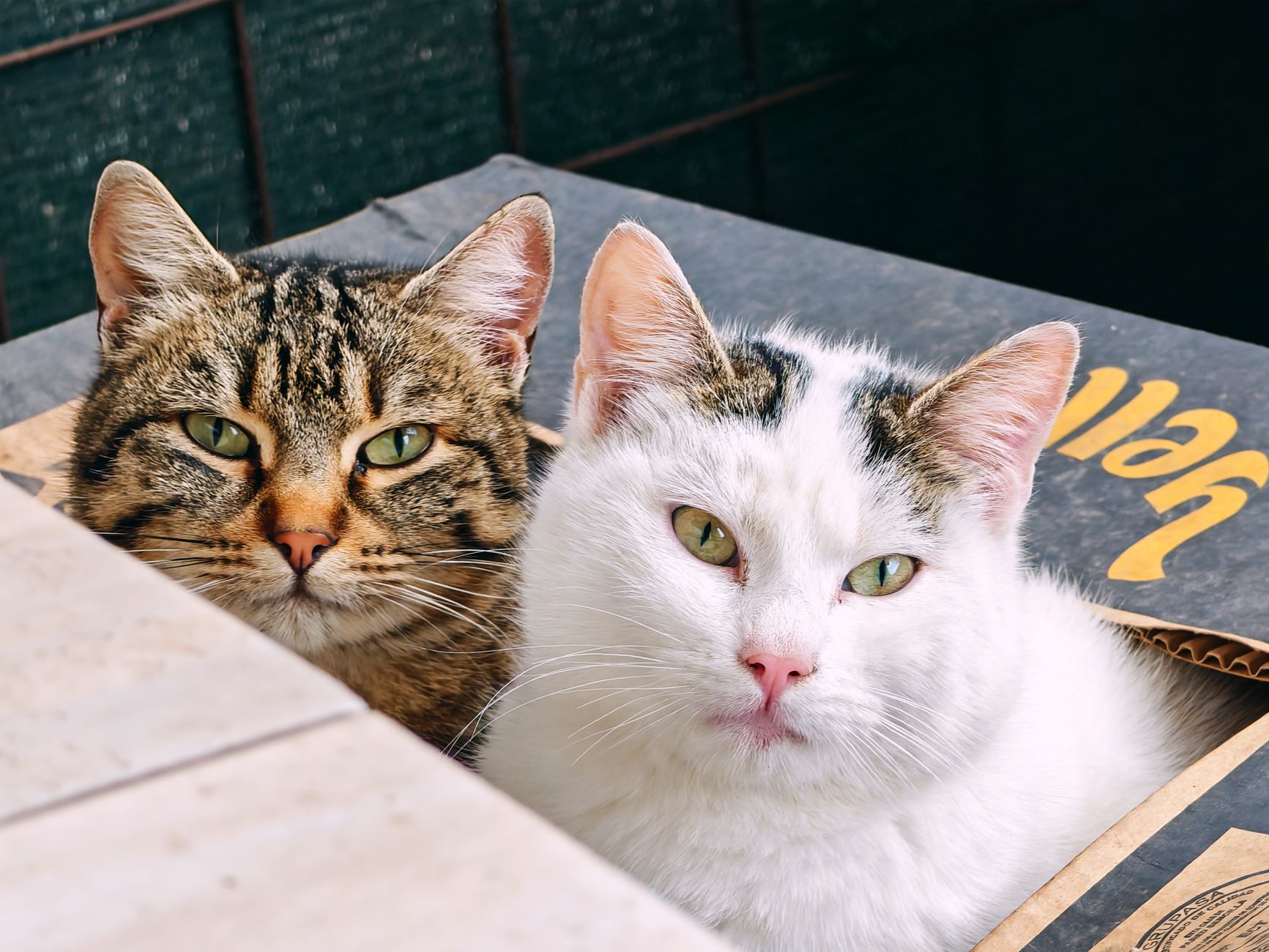
Cat moving in 2026 means changing a cat's home territory, shifting a free-roaming cat indoors, or taking a cat across a border. It affects house movers, owners bringing outdoor cats inside, and travelers who need health checks and current travel papers.
Territory is the core issue. Cats rely on scent and familiar hiding places to feel safe. A planned first week lowers stress, protects health, and prevents litter and appetite problems.
Table of Contents
- Who needs a moving plan for a cat
- Is bringing an outdoor cat inside as hard as feared
- How do you settle a cat in a new home
- What health and paper steps matter for 2026 travel
Who needs a moving plan for a cat
House movers with resident cats need the most preparation. New adopters bringing a cat home face the same adjustment. Owners shifting a free-roaming cat to indoor-only life also need a plan.
International travelers face a second layer. They must meet vaccination, microchip, and certificate rules before departure. Domestic travelers still need carrier training and a veterinary check.
Is bringing an outdoor cat inside as hard as feared
Recent survey results are reassuring for owners considering an indoor move. According to Adelaide University, more than two-thirds of New Zealand owners said the change was easier than expected Adelaide University report on the 2026 indoor-cat survey.
Safety drove most decisions. Owners cited traffic, attacks by other animals, disease, parasites, poisoning, and threats to wildlife, as reported from the same study. The limit is that the finding rests on recalled owner views of happiness and behavior, not veterinary exams or cortisol measures.
How do you settle a cat in a new home
Start with one small safe room. According to Cornell University College of Veterinary Medicine, territorial cats need a confined room with food, water, litter, and hiding spots before gradual access to other rooms Cornell guidance on choosing and caring for your new cat.
A hiding box can speed recovery. In a Utrecht shelter trial of 19 new cats, the 10 with a box scored lower on stress on days 3-4 than the 9 without one. Keep noise low and let the cat choose when to explore.
- Use the same unscented litter as before the move.
- Scoop daily and give at least one box per cat.
- Place boxes in quiet, separate areas.
- Call a veterinarian promptly if the cat refuses food for 24-48 hours.
What health and paper steps matter for 2026 travel
See a veterinarian before moving day for vaccines, paperwork, and medications. Acclimate the cat to the carrier in advance. Give extra caution to flat-faced breeds such as Persians, which face higher breathing risk, according to the American Veterinary Medical Association.
Rules differ by destination. According to USDA APHIS, cats moving from the United States to the European Union need an ISO 11784/11785 microchip placed before rabies vaccination, plus an EU health certificate from a USDA-accredited veterinarian and endorsed through VEHCS USDA APHIS pet travel guidance for Latvia as an EU example. For United States to Mexico travel from 3 August 2026, pet dogs face new screwworm inspection documents. Pet cats continue with no screwworm certificate and receive inspection by Mexican authorities on arrival, according to the American Veterinary Medical Association.