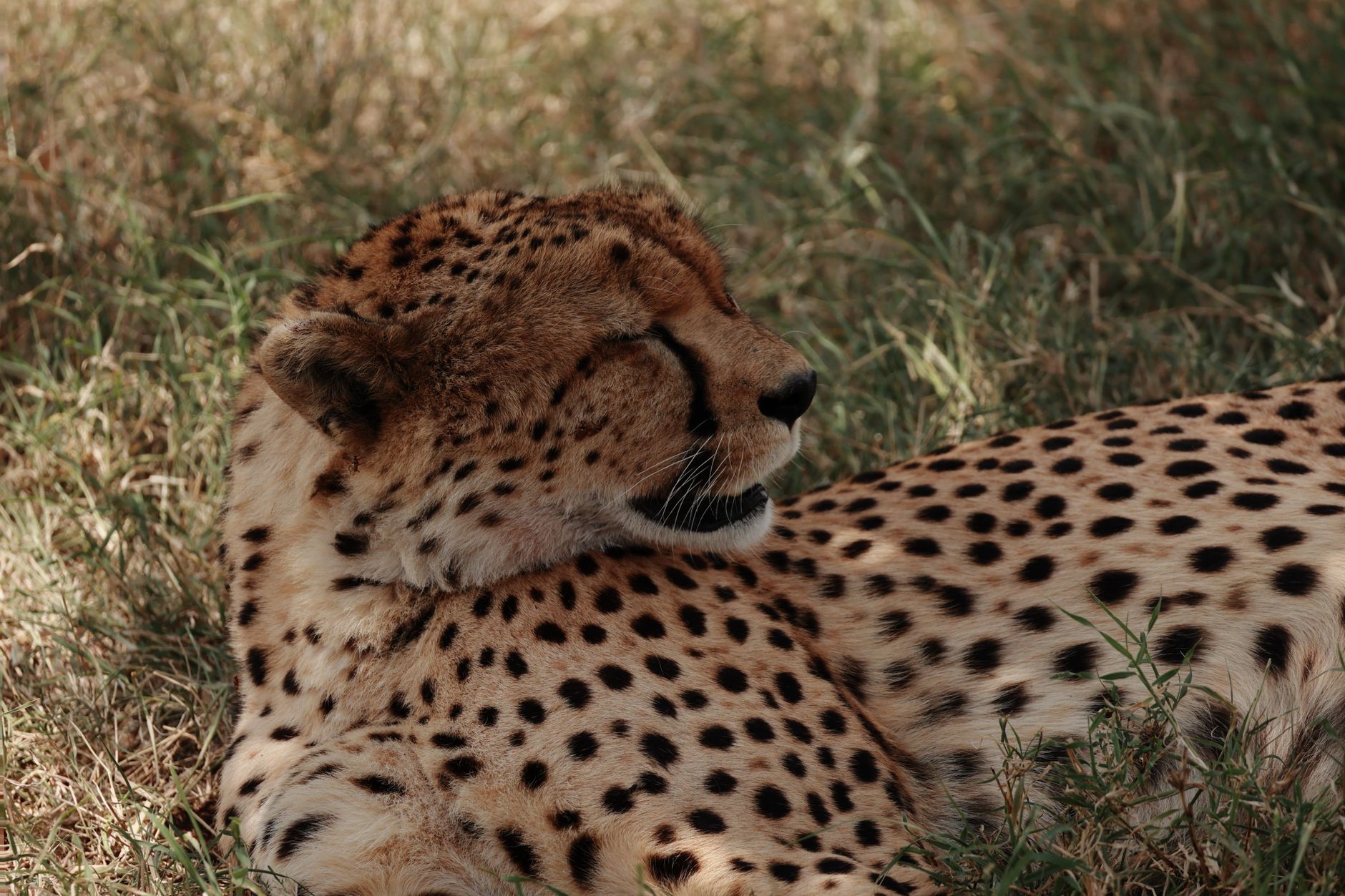
The documentation of endangered African feline species through accidental footage represents one of conservation’s most valuable yet unpredictable tools. When camera traps, wildlife researchers, or travelers capture unexpected footage of elusive cats, these discoveries often fill critical knowledge gaps about species behavior, habitat use, and population status that decades of planned research might not yield. Such accidental discoveries have repeatedly confirmed the presence of species in regions where they were thought to be extinct or extremely rare, reshaping conservation priorities and revealing that some feline populations persist in landscapes previously considered unsuitable or abandoned.
The significance of these chance encounters extends beyond simple verification that a species exists in a location. Accidental footage often captures natural behavior under conditions that the cat is unaware of being observed, providing researchers with authentic data about hunting patterns, social interactions, and movement corridors that would be impossible to gather through direct study. When a film crew, safari guide, or ranger unexpectedly records footage of a species presumed missing from an ecosystem, it becomes a scientific event that can redirect funding, policy, and protection efforts toward that population.
Table of Contents
- How Accidental Wildlife Documentation Changes Conservation Strategy
- The Challenge of Verifying Accidental Sightings in Remote Regions
- Why African Feline Species Remain So Difficult to Document
- Integrating Accidental Data Into Official Conservation Records
- Risks of Relying Too Heavily on Accidental Sightings
- Communication Challenges When Announcing Accidental Discoveries
- Long-Term Value of Systematic Archiving of Accidental Records
How Accidental Wildlife Documentation Changes Conservation Strategy
Accidental footage discoveries operate differently from planned research expeditions because they capture animals in genuine, undisturbed contexts. When a conservation team sets out to find a specific species with radio collars, traps, or intensive tracking, the animal’s behavior is already altered by human presence. By contrast, incidental footage—recorded during unrelated activities—shows how the species actually moves, hunts, and shelters without research-driven interference. This distinction matters enormously when developing protection strategies, as habitat preservation decisions should be based on how the species naturally uses its environment rather than how it behaves in response to monitoring equipment.
A concrete example is the rediscovery of feline species in regions where they had not been officially recorded in decades. When field teams working on other conservation projects or tourists in remote areas capture images of these cats, it becomes clear that the species survived in smaller, fragmented populations than previous surveys suggested. This forces conservationists to reassess whether the species is truly extinct in a region or merely overlooked, fundamentally changing how much effort and funding gets allocated to that population’s recovery. The accidental nature of the discovery proves critical because it happens in the species’ own context, not in a research setting designed around human priorities.
The Challenge of Verifying Accidental Sightings in Remote Regions
Not all accidental footage is equally credible, and this represents a major limitation in using chance discoveries as conservation evidence. Remote footage from inaccessible regions must be authenticated through careful examination of physical features, behavior patterns, and geographic plausibility before wildlife scientists will accept it as verified. A grainy video or partial image can be misidentified, especially in regions where multiple feline species overlap in range, and the stakes of misidentification are high—resources might be redirected toward protecting a common species mistakenly identified as an endangered one.
The authentication process requires specialized expertise, and even then, disagreement can persist among researchers about whether footage truly documents a particular endangered species. Geographic location, body size, coloration pattern, and behavioral cues all must align with known characteristics of the species in question, yet accidental footage often lacks the controlled framing and detail that would make these determinations straightforward. A warning for conservation organizations is that premature announcement of accidental discoveries—before thorough verification—can lead to public alarm, misaligned media narratives, or legal consequences if claims prove false. The pressure to announce findings quickly must be balanced against the scientific integrity required to confirm that the footage actually documents what observers believe it shows.
Why African Feline Species Remain So Difficult to Document
African ecosystems host multiple endangered cat species, many of which are nocturnal, solitary, and highly mobile across vast territories. These traits make them inherently difficult to study through conventional field research, which is why accidental footage becomes disproportionately valuable. A researcher might spend months in habitat known to support a feline species and see nothing, while a ranger or tourist photographing something entirely unrelated suddenly captures that cat on camera.
The elusiveness that makes these species hard to study also makes chance encounters genuinely rare, which is why accidental footage, when it occurs, carries outsized scientific importance. Many endangered African felids occupy habitats that have been fragmented by agricultural development, urban expansion, and road networks, forcing populations into smaller and more dispersed ranges. When accidental footage documents these species using specific corridors, water sources, or shelter sites, it provides concrete evidence of how remaining populations navigate human-modified landscapes. For instance, footage showing a feline using a riparian zone or crossing a particular habitat type tells conservation planners exactly where to focus protection efforts, rather than trying to protect entire regions on speculation about where the species might travel.
Integrating Accidental Data Into Official Conservation Records
Conservation organizations and wildlife agencies face a practical challenge when incorporating accidental footage into their official species records and protection strategies. The footage must meet scientific standards for evidence, but it also needs to be acted upon quickly, since information about an endangered population’s location can be time-sensitive when poaching pressures or habitat destruction are ongoing. Some regions have developed protocols where accidental sightings are logged, authenticated through a standardized process, and then incorporated into range maps and protection recommendations within a defined timeline. A comparison exists here between regions with robust wildlife documentation systems and those without.
In well-resourced areas, accidental footage gets rapidly verified, peer-reviewed, and integrated into conservation planning. In regions with fewer institutional resources, the same footage might never reach scientific attention, or it might be acted upon without proper verification. This disparity means that endangered African felines in less well-studied or less well-funded regions may have their existence documented through accidental footage but never benefited from the protection or research that should follow such a discovery. The tradeoff is between rapid response to protect newly confirmed populations and the time required to verify and properly evaluate evidence.
Risks of Relying Too Heavily on Accidental Sightings
A significant limitation of using accidental footage as primary evidence for endangered species presence is that it creates an unpredictable and incomplete picture of population distribution. A species might be present throughout a region in stable populations, but if accidental footage only occurs in one area, the documented range becomes artificially narrow. Conservation resources then concentrate on protecting that one area while unmonitored populations elsewhere receive no attention. This can lead to inefficient allocation of limited conservation budgets and missed opportunities to protect larger portions of a species’ true range.
Another warning concerns the false sense of security that accidental sightings can create. If a species is documented through accidental footage in one location, policymakers or the public might conclude that the species is secure, when in fact that one sighting represents a tiny, fragmented, and vulnerable population. The accidental nature of the discovery means there was no systematic attempt to assess population health, reproduction rates, or threats. A single image or short video clip provides no information about whether the population is stable, declining, or on the verge of local extinction. Treating accidental footage as proof of species security, rather than as a starting point for further research, has historically led to delayed conservation action for species that faced imminent decline.
Communication Challenges When Announcing Accidental Discoveries
When accidental footage of endangered African felines becomes public, the communication between scientists, conservation organizations, media outlets, and the general public often becomes complicated. A researcher or tourist who captures such footage may be excited to share it, potentially distributing it widely before scientific verification occurs. This can create sensationalized narratives, attract unwanted human attention to the location where the species was filmed, or lead to incorrect identification spreading through popular media.
An example is how accidental footage of rare feline sightings can inadvertently reveal sensitive habitat locations to poachers or collectors, despite everyone’s good intentions in sharing a conservation success story. Responsible communication requires careful coordination between the people who recorded the footage, scientists who verify it, and conservation organizations who decide when and how to make discoveries public. The timing and framing of announcements matter significantly for the actual protection of the species, yet these decisions must be made while managing public interest and media pressure to sensationalize the story.
Long-Term Value of Systematic Archiving of Accidental Records
Over years and decades, accumulated accidental footage builds a database of species presence and behavior that no single research project could replicate. Conservation organizations and wildlife agencies increasingly recognize the value of creating systems to collect, verify, and archive incidental sightings from diverse sources—researchers, tourists, locals, and trail cameras set for other purposes. When this accidental data is systematized and analyzed collectively, patterns emerge about how endangered species actually use fragmented habitats, which corridors they prefer, and which threats are most pressing.
These archives become particularly valuable for assessing long-term trends in species distribution and population status. If accidental sightings of a species increase over years in a protected area, it suggests the population is expanding or becoming more confident in that habitat. If sightings decrease or shift to new locations, it signals potential problems with habitat quality or increased human disturbance. The systematic study of accidental footage, rather than treating each discovery as an isolated event, transforms chance observations into meaningful scientific data that shapes regional conservation strategies for endangered African felines.
- —