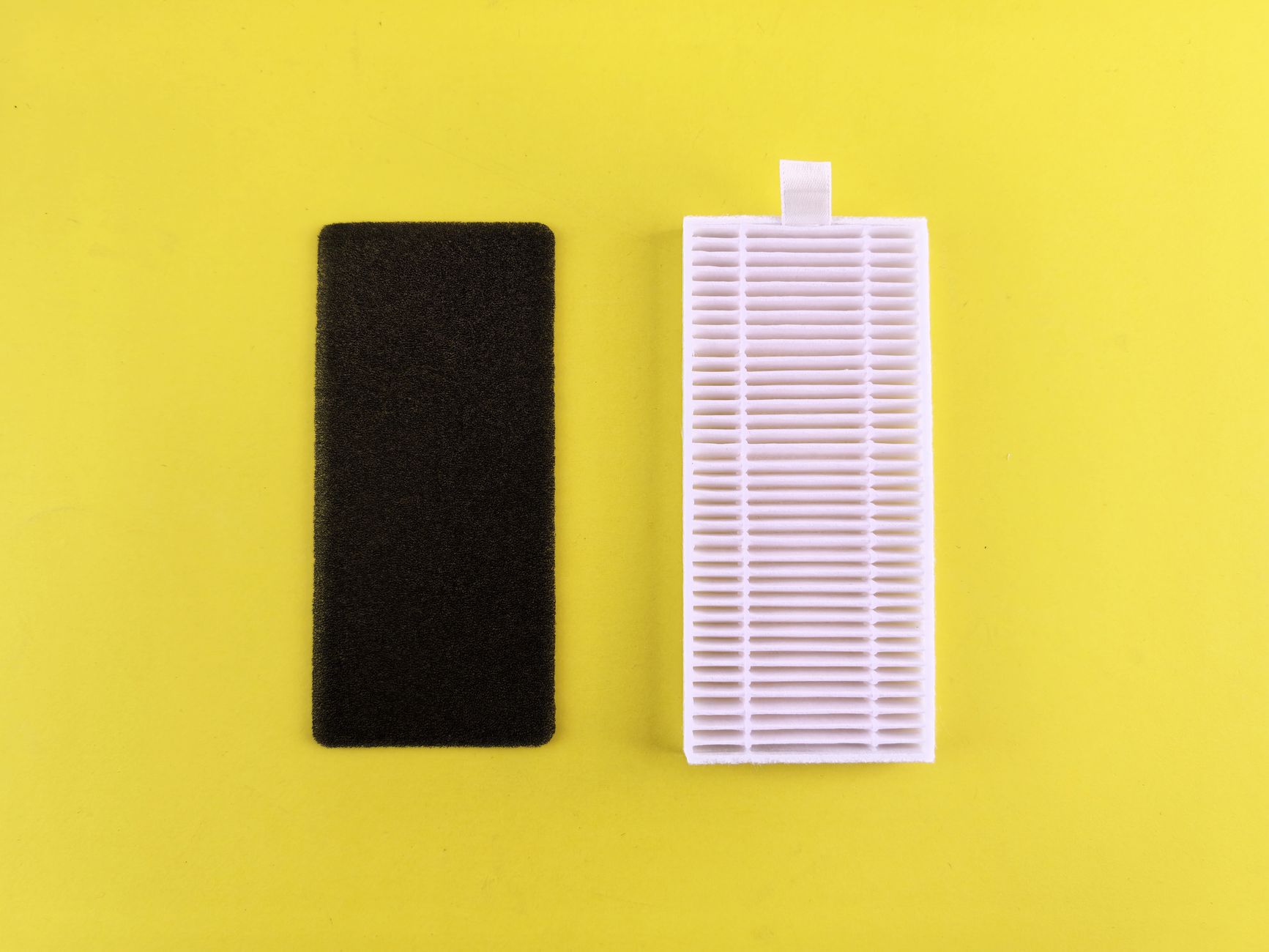
An air purifier is the appliance and a HEPA filter is the particle-capture part inside it. For cat allergy relief, choose a portable purifier with a true HEPA filter matched to your room size and run it continuously. Cat allergy mainly affects people sensitized to Fel d 1, a protein from cats' saliva and sebaceous glands. Up to 3 in 10 allergy sufferers react to cats or dogs after inhaling airborne dander, according to the Asthma and Allergy Foundation of America in its pet allergy guide.
Table of Contents
- What You Actually Buy
- Does HEPA Lower Airborne Cat Allergen?
- What Can It Not Do?
- How Do You Get Real Relief?
What You Actually Buy
A purifier pulls room air through filters and returns cleaner air. Portable cleaners often reach a high clean-air delivery rate by using a HEPA filter, so buyers must match CADR to room size, according to the U.S. EPA in its Guide to Air Cleaners in the Home.
CADR tells how fast it supplies clean air. True HEPA must capture at least 99.97% of particles at 0.3 microns, the most-penetrating size. That performance covers typical cat-allergen carriers reported at about 1-20 microns, including dander and Fel d 1-bearing dust, under the EPA and DOE definition. Look for "true HEPA" plus a stated CADR, not "HEPA-like" or "HEPA-type.".
Does HEPA Lower Airborne Cat Allergen?
Two randomized, placebo-controlled exposure-chamber trials found H13 HEPA purifiers prevented or reduced allergic reactions to Fel d 1 in cat-allergic volunteers, according to a 2025 NIH review in its Fel d 1 exposure analysis. Those tests used controlled airborne challenge, not normal living rooms.
Bedroom and household studies in that review report roughly 50-90% lower airborne Fel d 1 when a correctly sized HEPA purifier runs continuously with doors closed and adequate air changes. Small bedrooms with closed doors respond faster than large open living areas. Size, run time, placement, and air mixing decide the result.
What Can It Not Do?
A purifier cleans only airborne allergen. It does not remove Fel d 1 already settled in carpet, upholstery, bedding, or clothing, nor does it cure cat allergy, according to the Asthma and Allergy Foundation of America. Settled reservoirs need separate cleaning.
Sitting on fabric seats, fluffing pillows, or changing sheets can puff settled allergen back into the air. Filtration then needs time to bring levels down again. Homes with thick carpet, heavy drapes, and shared pet bedding hold more reserve allergen.
How Do You Get Real Relief?
Put the first correctly sized unit where you breathe longest. For most owners, that means the bedroom first, then a living area if symptoms persist.
Keep the bedroom door closed while it runs. The Asthma and Allergy Foundation of America advises daily cleaner use plus bedroom limits and HEPA vacuuming: Wash bedding, throws, and cat blankets often to shrink the settled load. Start with the bedroom, keep the door closed, and let the unit run several days before judging relief.
- run a HEPA air cleaner at least four hours daily, preferably continuously
- keep pets out of the bedroom and off the bed
- vacuum weekly with a HEPA vacuum, including rugs and upholstery
- consider a Certified Asthma and Allergy Friendly cleaner when buying