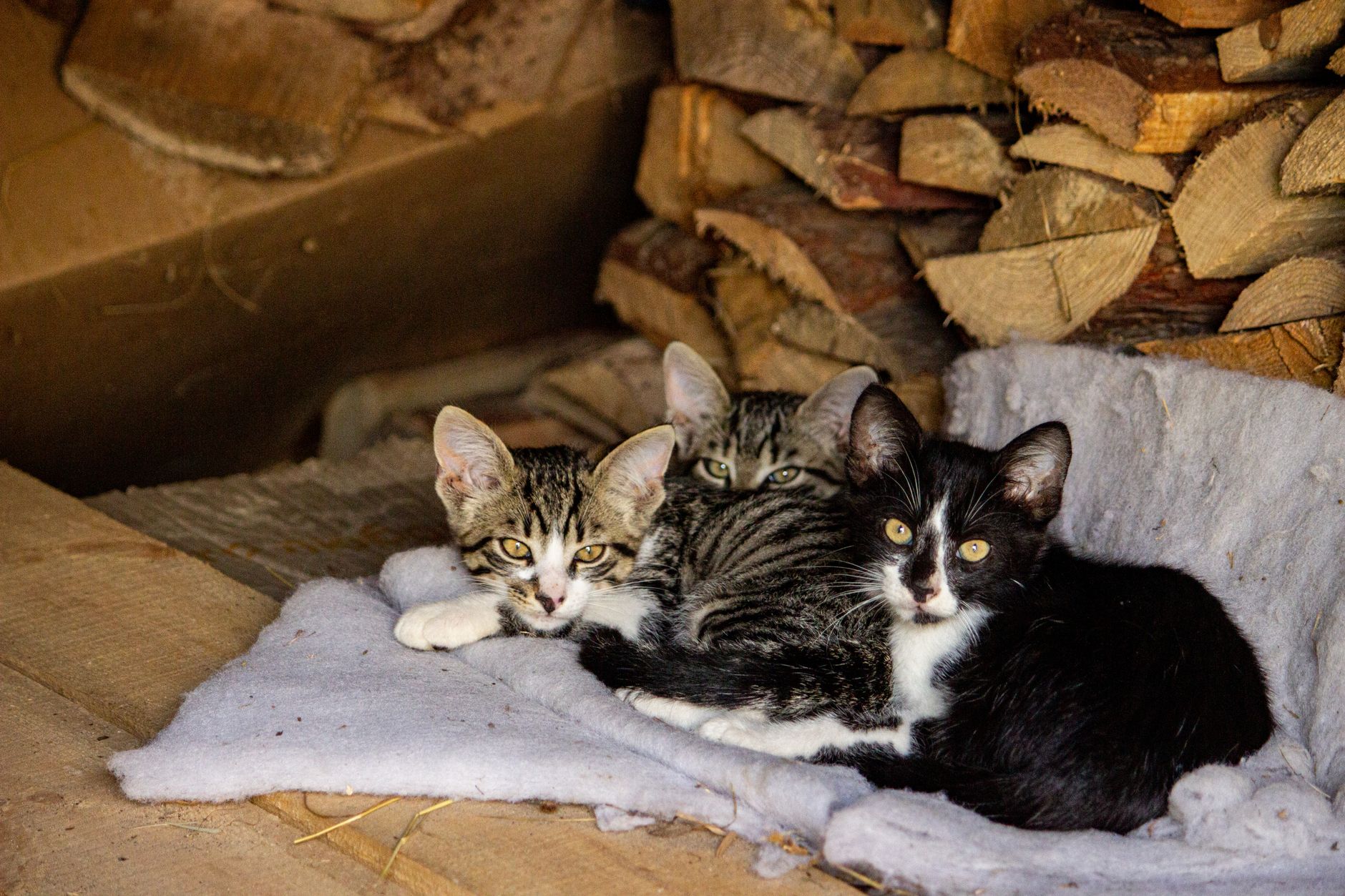
Start your new cat in one small, quiet room with the door closed and a litter box inside. Show the box location on arrival and expand access only after the cat moves around confidently. Litter box habits mean the cat can find, enter, and reuse a clean box without fear or confusion. A small start prevents missed trips and helps the habit stick from day one.
Table of Contents
- Why start in one room?
- How many boxes does a new home need?
- Which box, litter, and spot work best?
- How do you keep the habit?
Why start in one room?
Keep the new cat in a single starter room with litter box, food, water, bedding, hiding spots, and a scratcher. According to the ASPCA, this closed-room setup helps newcomers settle before exploring the rest of the home ASPCA tips for a new cat.
Kittens especially benefit from less space at first. They learn fast when confined near a box because they will not search a whole house to find one.
- Put the box where the cat can reach it without passing people or pets
- Let the cat sniff the box and step in on its own
- Keep the door closed until eating, hiding, and box use look relaxed
How many boxes does a new home need?
Plan for one box per cat, plus one extra. Spread them in different rooms and on each floor, not side by side.
This spacing matters in multi-cat homes. According to the Ohio State University Indoor Pet Initiative, separate spots reduce guarding and ambushes that can push a cat away from the box Ohio State guide to litter boxes.
Which box, litter, and spot work best?
Choose a large, uncovered rectangular box. The target is about 1.5 times the cat's nose-to-tail-base length, with a minimum near 22 by 17 inches. Pick low sides for kittens, seniors, or arthritic cats.
Fill it with 1 to 2 inches of unscented, fine-grained clumping litter. According to Cornell Feline Health Center, keeping the same litter the cat used before helps the transition Cornell guide to choosing and caring for your new cat. Place each box in a quiet, private, easy-to-reach spot. Keep boxes away from food and water, away from loud appliances and air ducts, and leave them in the same place.
How do you keep the habit?
Scoop every day and wash boxes weekly with mild unscented detergent. Cats notice smell and texture fast, so steady cleaning keeps the box inviting.
Test any litter or box change before removing the old setup. According to the Ohio State University Indoor Pet Initiative, place the new box beside the old one and let the cat choose Ohio State advice on box care and avoidance. Get prompt veterinary care for sudden avoidance, since medical causes are common.