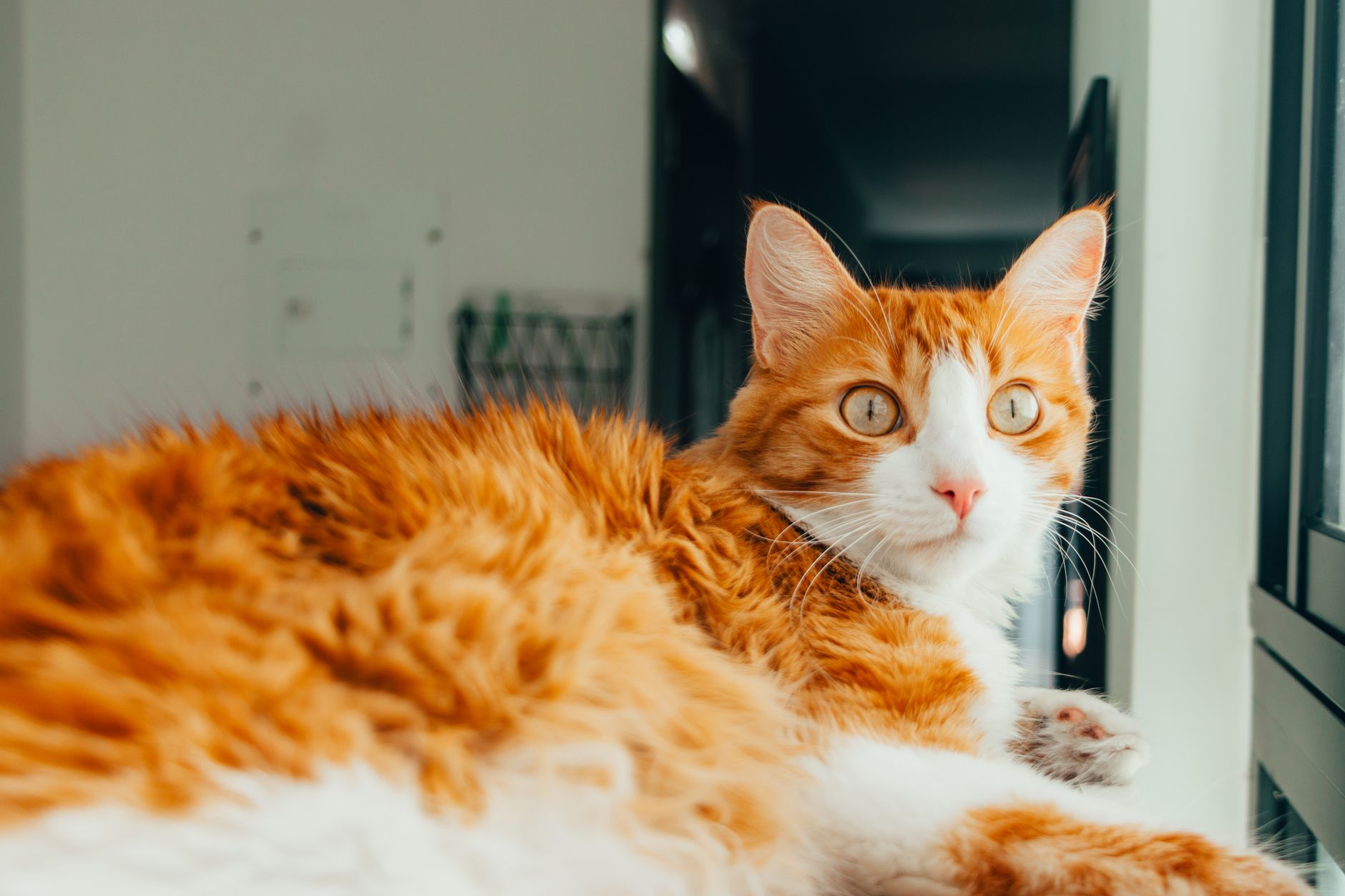
A scared new cat may hide for days or weeks and still be normal if it eats and uses the litter tray. Worry if hiding lasts more than 24-48 hours with appetite, thirst, energy, grooming, breathing, or litter-box changes.
Hiding means staying quiet, wary, and out of sight under beds or behind furniture. International Cat Care describes this pattern in newly arrived cats. Adams County shelter guidance puts full acclimation from a few hours to a few months, with nervous or poorly socialized cats slowest.
Table of Contents
- What normal hiding looks like
- When should you worry?
- Why missed meals turn urgent fast
- How to help without pulling the cat out
What normal hiding looks like
A new cat often spends much time under a bed or behind furniture while it learns new sounds and smells. International Cat Care's guide to anxious cats says new arrivals may stay quiet, wary, and hidden for the first days or weeks. Watch eating and tray use more than time hidden.
Timelines vary widely, so compare your cat with itself, not with another cat. County shelter guidance says adjustment runs from hours to months. Nervous or poorly socialized cats need the longest time, but look for tiny gains in eating, exploring, or watching.
When should you worry?
Animal Wellness Magazine's guide to feline withdrawal advises prompt veterinary help if hiding lasts more than 24-48 hours, suddenly worsens, or pairs with body-function changes. Act fast on these changes: A cat that has not used the tray for about a day needs prompt care, Catster's vet-reviewed guidance says.
Straining to pass urine with little output, especially in male cats, is an emergency for possible blockage, VCA Animal Hospitals says. Cats Protection also advises a vet call if a new cat stays stressed for a prolonged period without small steps of improvement.
- eating less, drinking more or less, or losing energy
- grooming less, breathing harder, or using the tray differently
- hiding that suddenly deepens after stable days
Why missed meals turn urgent fast
Hepatic lipidosis is fatty liver disease, when fat builds up in the liver after a cat stops eating. PetMD's guide to hepatic lipidosis warns not to let a hiding cat go without food for more than a day. It says the disease can begin within days.
Obese cats face the highest risk. University of Guelph nutrition specialists say even a 50-75% drop in energy intake can lead to fatty liver. A move, new person, or new animal can trigger that drop. They call suspected cases with reduced intake a medical emergency.
How to help without pulling the cat out
Cats Protection's guide to hiding says hiding in a new home is normal while the cat eats and uses the tray. Its guidance suggests moving food closer and leaving the room so the cat can eat.
Track meals, water, and tray visits each day. Note small gains like eating more, sitting out longer, or watching from cover. If stress lasts without those small gains, Cats Protection advises contacting a veterinarian for advice.