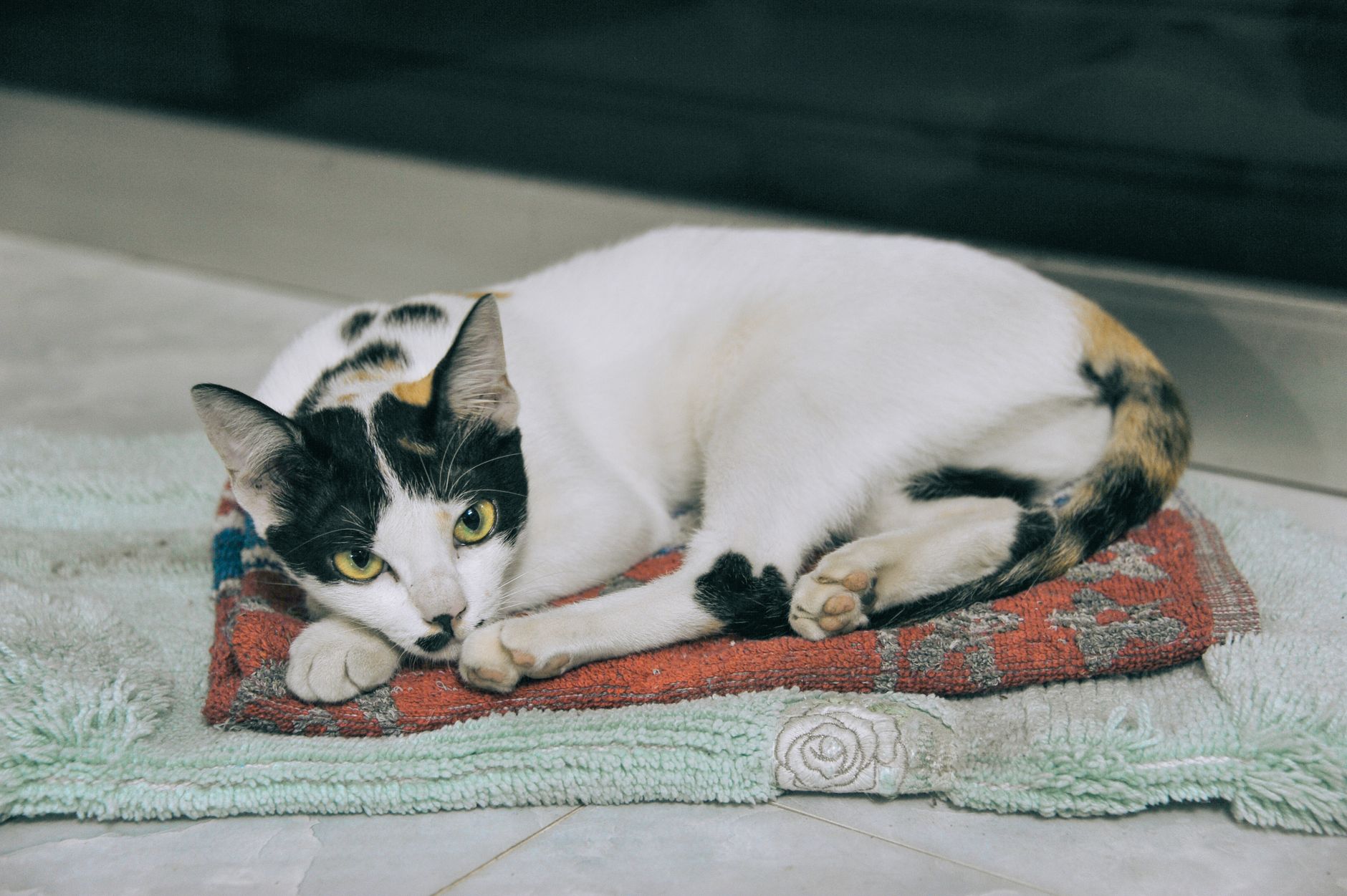
Removing mats from a Maine Coon's coat means working a wide-tooth comb or dematting tool through the tangle from the tips inward, holding the fur at its base to protect the skin, and shaving out anything too tight to comb. A Maine Coon is prone to matting because its coat combines glossy, waterproof guard hairs with a thick, soft undercoat that tangles easily once loose hair gets trapped close to the skin, according to Maine Coon Central. The approach that works depends on how tight and how large the mat is. A small, soft mat usually responds to patient combing at home, while a mat that's tight against the skin or widespread across the body often needs a groomer or vet.
Table of Contents
- Why Maine Coons Mat So Easily
- How to Remove a Small, Soft Mat Yourself
- Why Scissors Are Off the Table
- When to Call a Vet or Groomer Instead
- Preventing Mats Before They Form
- Frequently Asked Questions
Why Maine Coons Mat So Easily
A Maine Coon's double coat is the root cause. The glossy outer guard hairs shed water, but the dense undercoat beneath them sheds constantly, and loose hair from that undercoat tangles and tightens close to the skin instead of falling away on its own, according to Maine Coon Central. This is why mats show up in predictable spots.
The same source notes that behind the ears, in the armpits, and on the back legs need extra brushing attention, because these areas get the least friction from normal movement and the most contact with loose fur. Left unaddressed, a mat doesn't just sit there. It continues pulling on the skin underneath, which can progress to inflammation, hot or itchy skin, sores, and infection, so a mat spotted early should be dealt with right away rather than left for a future grooming session, according to PangoVet, a veterinarian-reviewed resource.
How to Remove a Small, Soft Mat Yourself
For a mat that's still soft and hasn't tightened completely against the skin, start by holding the fur at its base, right against the skin. This blunts the pull on the skin while you work, then use a wide-tooth comb or a dedicated dematting tool to tease the mat apart from the outer tips inward, rather than tugging at the root, according to Kinship. Work slowly and stop if the cat shows pain or tries to pull away.
A few short sessions are easier on both of you than one long struggle. Skip the bath. Wetting or soaking the fur to loosen a mat usually backfires, because water tends to tighten tangled fur rather than loosen it, making the mat harder to comb out once it dries, per Kinship.
Why Scissors Are Off the Table
Never reach for scissors to cut a mat free, even if combing feels slow. A cat's skin is thin and moves with the coat, so scissors can slice through skin along with the matted hair, risking a wound or infection, according to Hepper.
For a mat that resists gentle combing, a mat-razor comb with recessed blades offers a safer alternative, keeping less blade in contact with skin than scissors do. Even so, Hepper still treats the razor comb as a last home option to try before heading to a vet, not a first choice.
- Mat is loose and soft: comb from the tips inward, holding the base against the skin.
- Mat resists combing but isn't skin-tight: try a mat-razor comb with recessed blades.
- Mat is tight against the skin or widespread: stop and get professional help.
- Never: scissors, or a bath to "loosen" the tangle first.
When to Call a Vet or Groomer Instead
Some mats aren't a home job. A mat that stays tight against the skin despite gentle brushing, or sits near skin that looks red or swollen or has an odor, moisture, or discharge, is a signal to stop and get the cat to a vet or professional groomer, according to guidance summarized via Catster's vet-answered column. For large, skin-tight, or widespread matting, vets and groomers typically clip or shave the affected coat rather than trying to comb it out strand by strand.
If the cat is too stressed or in too much pain to hold still, they may use sedation or anesthesia to do it safely, according to Catster. A sudden change in grooming behavior is also worth a vet visit on its own. A cat that stops self-grooming effectively, or reacts badly to being touched in a matted area, may have an underlying cause like dental pain, obesity, arthritis, or illness, and should be evaluated rather than just re-groomed, per Trupanion.
Preventing Mats Before They Form
Regular brushing is the most reliable way to keep mats from forming in the first place. Maine Coons need brushing about two to four times a week, moving to daily sessions during the spring and fall shedding seasons, according to Maine Coon Central.
The same source recommends a three-tool routine: an undercoat rake to pull loose fur from the dense underlayer, a slicker brush for the topcoat, and a wide-tooth comb to check for tangles starting to form. Paying extra attention behind the ears, in the armpits, and on the back legs catches mats before they tighten, since those are the spots most prone to matting in the first place.
Frequently Asked Questions
Can I bathe my Maine Coon to loosen a mat before combing it out?
No. Water tends to tighten tangled fur rather than loosen it, making the mat harder to comb out afterward, according to Kinship.
Is it ever safe to cut a mat out with scissors at home?
No. A cat's skin is thin and moves with the coat, so scissors can cut the skin along with the fur, risking a wound or infection, according to Hepper.
How often should a Maine Coon be brushed to prevent mats?
About two to four times a week, increasing to daily during spring and fall shedding seasons, according to Maine Coon Central.