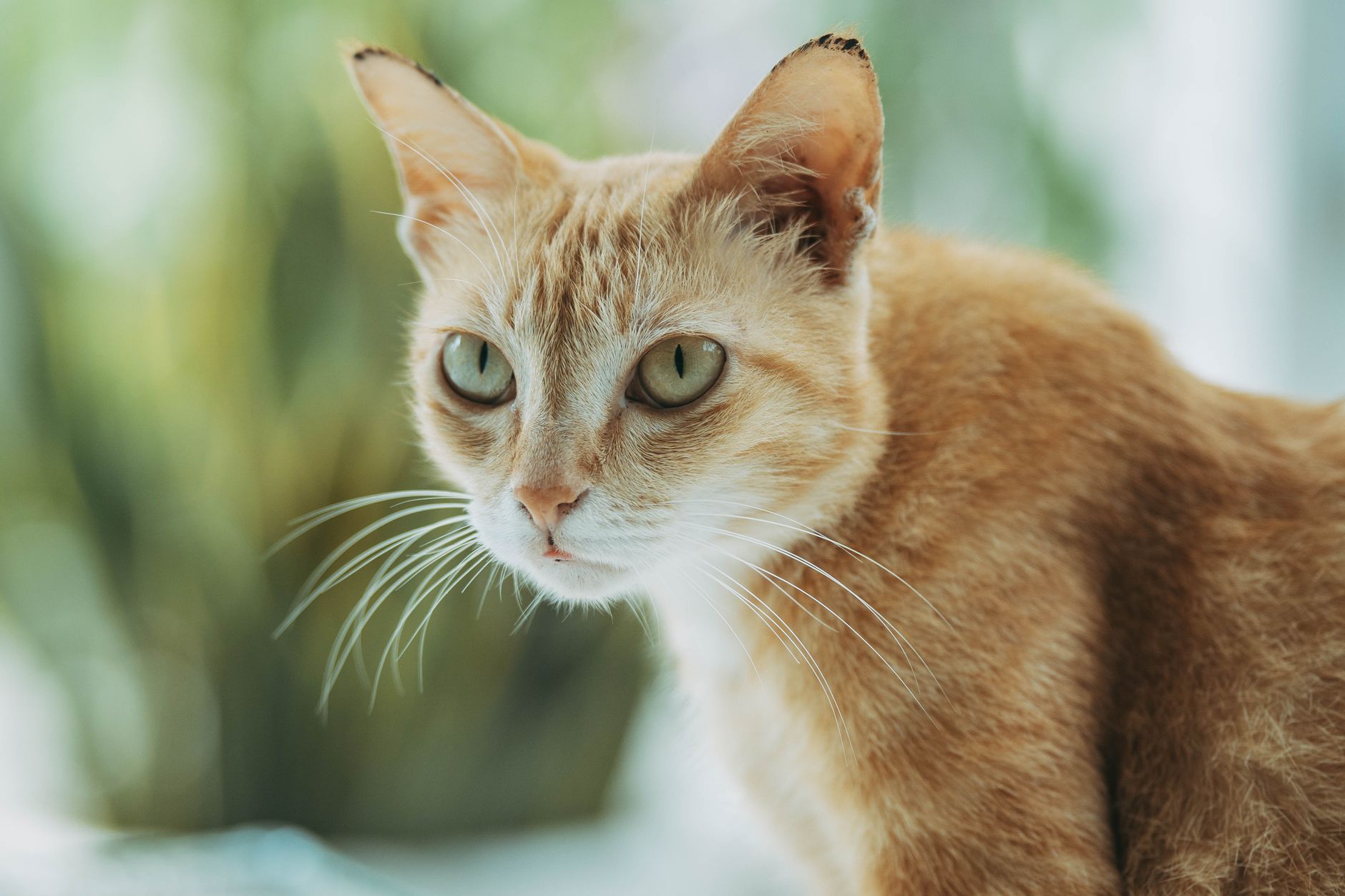
Hyperthyroidism in cats is an overactive thyroid gland that floods the body with too much thyroid hormone. It causes weight loss despite a big appetite, responds to daily medication or one-time radioactive iodine, and generates vet bills that reach four figures. It is the most common hormonal disease of late-middle-aged and older cats. Oklahoma State University College of Veterinary Medicine puts average discovery at about 13 years, with a range of 4 to 22.
Table of Contents
- Which signs should prompt a vet visit?
- How do vets diagnose it?
- Which treatments control or cure it?
- What does care cost and does insurance help?
Which signs should prompt a vet visit?
Affected cats commonly stay hungry yet grow thinner. Their coats turn unkempt, and vomiting, diarrhea, or rapid breathing may appear. Also watch for greater thirst and more urination.
Early checks matter because these signs overlap other serious diseases. Oklahoma State University College of Veterinary Medicine lists these signs in its feline hyperthyroidism overview. The same source notes overlap with chronic kidney disease, diabetes, and intestinal lymphoma.
- eats more but loses weight
- unkempt coat
- vomiting or diarrhea
- drinks and urinates more
- breathes rapidly
How do vets diagnose it?
Vets use routine laboratory work plus thyroid-function testing. A high serum T4 level confirms hyperthyroidism, according to Oklahoma State University College of Veterinary Medicine.
Testing is most useful when signs are new. Bring notes on appetite, weight, thirst, vomiting, and breathing.
Which treatments control or cure it?
Methimazole blocks thyroid-hormone production for long-term outpatient control. It can be given by mouth or as a gel absorbed through the ear. VCA Animal Hospitals names Felimazole and Felanorm as cat brands and says some uses stay off-label, so follow veterinary direction and blood monitoring. Radioactive iodine offers a one-time fix.
The University of Edinburgh Royal (Dick) School of Veterinary Studies reports I-131 concentrates in thyroid tissue in its radioiodine treatment milestone report. It resolves hyperthyroidism in over 95% of cats with a single painless injection or capsule, without anesthesia or daily tablets. Methimazole or markedly iodine-restricted diet only suppresses the disease rather than curing it. EveryCat Health Foundation warns prolonged suppression may allow loss of control, so ask your vet about long-term planning.
What does care cost and does insurance help?
Costs vary widely. Petcover Group reported an average hyperthyroidism cat claim of $1,275 with the highest reaching $10,417 in its spring top cat claims summary. Insurance can lower drug costs for covered illness.
Spot states an accident-and-illness plan can help cover prescribed drugs for covered conditions in its guide to medication coverage. It gives daily medication for a cat diagnosed with hyperthyroidism as an example. Timing matters. Spot notes treatments for pre-existing conditions are usually not covered, so test early and enroll before diagnosis.