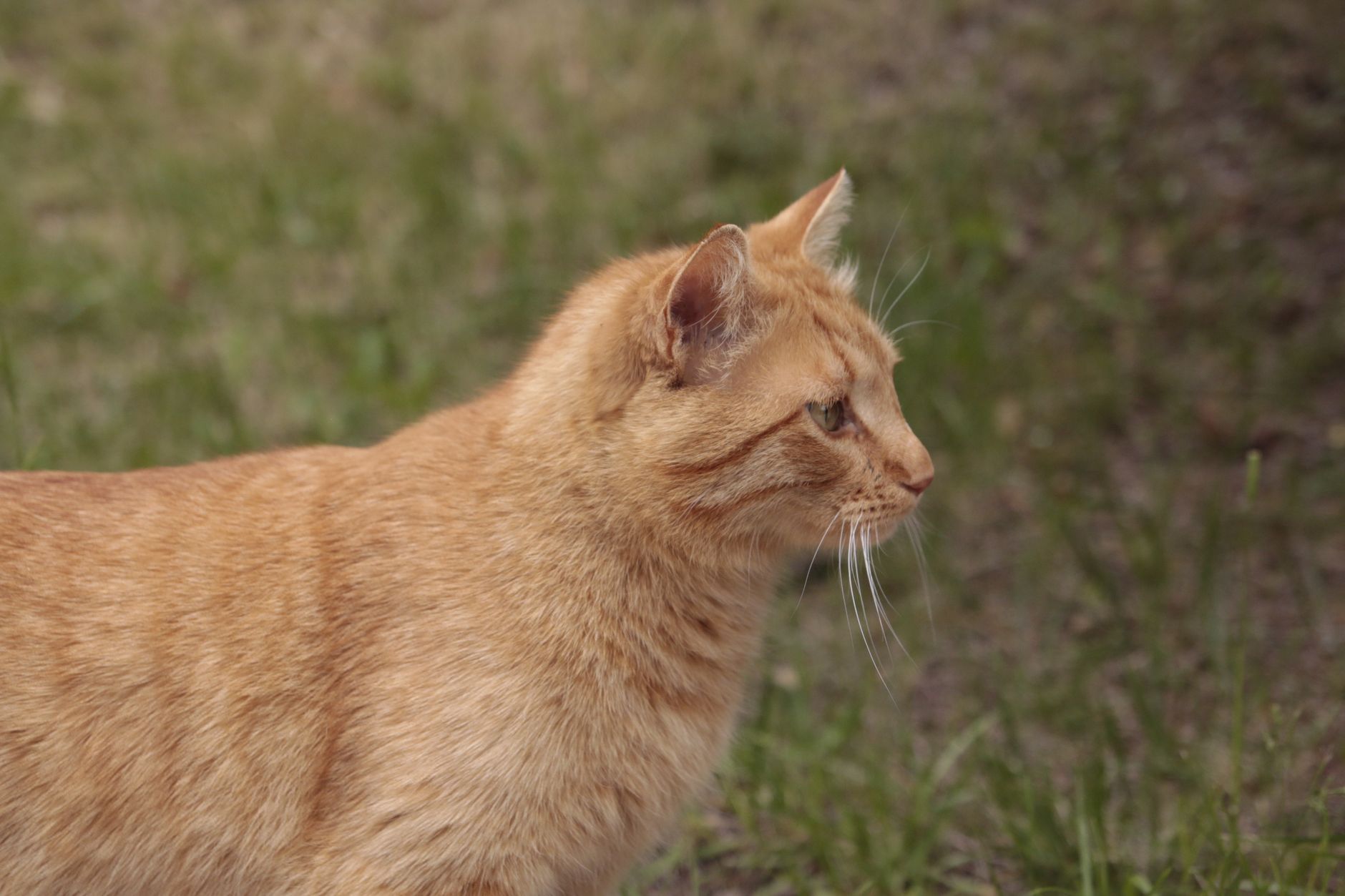
Yes, diet cat food is good for weight loss in cats when it is a veterinary therapeutic weight-loss diet fed in measured amounts. These diets are made to cut fat while keeping muscle, not simply to feed less of a regular food.
Diet cat food means a formula made for calorie restriction, with adjusted protein and fiber to meet needs on fewer calories. In 2022, veterinary professionals classified 61% of evaluated U.S. cats as overweight or having obesity, according to the Association for Pet Obesity Prevention in the 2022 obesity report summary.
Table of Contents
- How diet formulas support fat loss
- How much should an overweight cat eat?
- Does feeding method matter as much as food?
- When does weight loss become dangerous?
How diet formulas support fat loss
Therapeutic weight-loss diets help overweight cats lose fat while preserving lean muscle because they supply higher protein on fewer calories. Higher fiber adds bulk that increases fullness, according to VCA Animal Hospitals in VCA's weight-loss guidance.
That combination matters because hunger often stops a diet before weight changes. VCA advises therapeutic diets for big appetites because they stay lower in calories yet higher in fiber and protein, creating satiety, according to VCA Animal Hospitals in VCA's guide for feline gluttons. The same design lets many cats continue the food as maintenance after loss.
How much should an overweight cat eat?
Safe loss starts from ideal weight, not current weight. Cornell clinicians calculate safe intake at about 70% of the calories needed to maintain ideal weight, for example 154 kcal per day for one obese cat.
A veterinarian should set the target weight and daily calories for each cat. Cats differ in frame size, activity, age, and illness, so one bag label cannot set a safe portion for every cat. Regular weigh-ins show whether the plan needs a small change.
Does feeding method matter as much as food?
Yes, method often decides the result. Cornell identifies free-feeding dry food left out all day as a major cause of feline obesity.
Grazing makes intake hard to measure and easy to exceed. Cornell recommends measured canned food, which typically has more protein and fewer carbohydrates than kibble. Measured meals also reveal appetite changes sooner than a full bowl does.
- Measure each meal with a scale or marked scoop.
- Feed meals at set times, then remove uneaten food.
- Track treats, toppers, table scraps, and food from other pets.
- Weigh the cat every two to four weeks during loss.
When does weight loss become dangerous?
Skipping meals is risky for overweight cats. Undereating for days to weeks can trigger hepatic lipidosis, or fatty liver, when mobilized body fat overwhelms the liver, according to Tufts University in Tufts Petfoodology on hepatic lipidosis.
Cornell reports hepatic lipidosis is often fatal if not promptly reversed and usually follows appetite loss tied to obesity or another illness. Warning signs include refusing food, rapid lethargy, vomiting, drooling, and yellow eyes or gums. Call a veterinarian promptly if an overweight cat eats little or nothing for one to two days.