No, it is not safe for cats to chew on wires. When a cat bites through the insulation of electrical cords, they risk electric shock, severe burns to their mouth and tongue, and potentially fatal electrocution. Even brief contact with live current can cause immediate tissue damage and irregular heartbeat that may not be apparent until hours after the incident.
A cat chewing through a standard 120-volt household cord can suffer burns equivalent to a third-degree burn, affecting not just the mouth but potentially the internal organs if the current travels through the body. The danger is compounded by the fact that many cats chew on wires out of boredom, teething, or curiosity—behaviors that are entirely normal from a feline perspective but extraordinarily risky in a home filled with electrical hazards. A young kitten exploring a phone charger or laptop cable may seem harmless until the moment it bites through and receives an electrical shock. Even cordless device chargers and battery-powered device cables carry risk, though lower-voltage equipment like phone chargers (typically 5-20 volts) causes less severe injury than higher-voltage cords.
Table of Contents
- Why Do Cats Chew on Wires and Cords?
- Immediate and Long-Term Electrical Injuries from Wire Chewing
- Types of Household Wires and Their Danger Levels
- Preventing Wire Chewing Through Environmental Management
- Recognizing Electrical Injury in Cats and Emergency Response
- Wire Chewing as a Sign of Underlying Medical or Behavioral Issues
- Safe Alternatives and Acceptable Chewing Materials
- Frequently Asked Questions
Why Do Cats Chew on Wires and Cords?
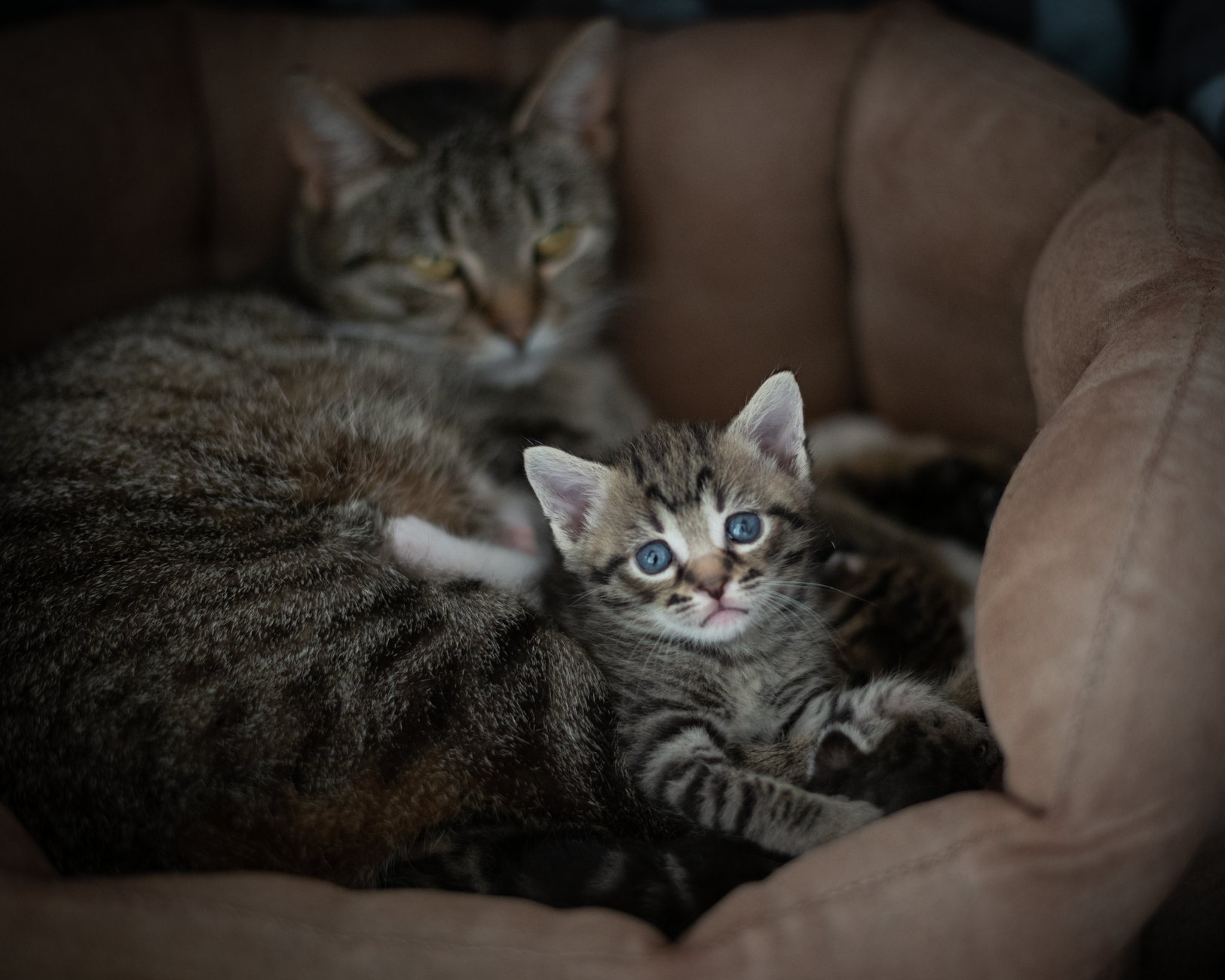
cats chew on wires for several reasons that have nothing to do with a desire to harm themselves. Kittens, particularly between three and six months old, experience a teething phase similar to human infants, and the texture of rubber and plastic coating on cords provides the resistance their sore gums crave. Adult cats may chew on wires out of boredom, particularly indoor cats with limited enrichment, or as a form of pica—an abnormal appetite for non-food items that can signal nutritional deficiencies, medical conditions, or behavioral stress. Some cats are attracted to the movement of cords and cables when they shift or dangle, triggering predatory instincts that lead them to pounce and chew.
The behavior can also be reinforced accidentally by owners. If a cat gets attention—even negative attention—when caught near a cord, the cat learns that cord interaction produces a reaction. Stress and anxiety also drive some cats to chew, as the repetitive motion can be self-soothing. This is particularly common in cats transitioning to a new home, those dealing with household changes like new pets or people, or cats with separation anxiety when left alone for extended periods.
Immediate and Long-Term Electrical Injuries from Wire Chewing
When a cat bites into an energized wire, the electrical current follows the path of least resistance through the body. If the bite is in the mouth, the current typically enters through one side of the mouth and exits through the other, passing through vital tissues including the tongue, palate, and potentially down the esophagus. The heat generated by this current causes immediate burns—the tissue essentially cooks from the inside out. In cases where current travels deeper into the body, it can cause cardiac arrhythmias, and a cat experiencing a severe shock may go into cardiac arrest within minutes.
Long-term complications from wire chewing injuries are often overlooked by owners who feel their cat escaped with minor burns. Pulmonary edema—a condition where fluid fills the lungs—can develop 12 to 72 hours after electrical injury and may not show symptoms until the cat is in serious distress. Cats that chew through cords may also suffer delayed problems including scarring of the mouth and esophagus, which can interfere with eating and drinking for weeks or months afterward. Some cats develop chronic pain in the affected areas, and electrical burns to the mouth can lead to tooth loss, infections, and difficulty grooming themselves.
Types of Household Wires and Their Danger Levels
Not all electrical cords carry the same risk. Standard household outlets in the United States provide 120 volts at 15 to 20 amps, delivering enough current to cause severe injury or death in a cat. Larger appliances like ovens, water heaters, and dryers operate on 240 volts, which would be instantly fatal to a cat. Phone chargers and laptop power adapters typically deliver between 5 and 20 volts, making them lower-risk but not harmless—a cat can still sustain mouth burns from these, and some studies suggest that low-voltage injuries can cause internal bleeding or other complications that aren’t immediately visible.
Extension cords and power strips often carry the same voltage as wall outlets and present concentrated danger, especially if multiple cords are bundled together in places where cats can easily access them. Outdoor wiring, landscape lighting cables, and any wiring leading outside the home often carries even higher voltage and amperage than indoor household circuits. A cat that chews through an outdoor landscape lighting wire or a power cord meant for an outdoor tool can suffer massive electrical injury. Even wire that appears inactive should never be assumed safe—many household circuits carry power continuously, and a cat has no way of distinguishing between a “live” cord and a “dead” one. Some pet owners mistakenly believe that a cord with damaged insulation is harmless if they haven’t seen sparks, but the damage itself is proof that the cat has made contact with dangerous voltage.
Preventing Wire Chewing Through Environmental Management
The most effective approach to protecting cats from wire injuries is removing temptation through environmental design. Cords should be secured behind furniture, run through PVC tubing or cord covers, or wrapped with tape—not to create a complete barrier, but to make the texture less appealing and the cord less visible. Power strips and outlets should be placed where cats cannot easily access them, and cables entering rooms should be bundled and secured at the base rather than left loose where they can move and trigger predatory interest. Laptop cords, phone chargers, and other frequently-used cables should be plugged in and immediately stored when not in use rather than left draped across counters or desks.
For cats with persistent chewing habits, environmental management must be paired with behavioral enrichment and alternative outlets. Providing appropriate chewing toys—rubber toys designed for cats, natural wood chews, or even cooked chicken bones under supervision—gives the cat an approved outlet for the chewing drive. The difference between a cat that chews on an enrichment toy and one that chews on a live wire often comes down to whether the appropriate alternative is more accessible and rewarding. Some owners find success with bitter sprays applied to cords, though the effectiveness varies between individual cats. Increased playtime, puzzle feeders, and environmental complexity also reduce boredom-driven wire chewing, particularly in young cats.
Recognizing Electrical Injury in Cats and Emergency Response
If you suspect your cat has chewed on an electrical cord, do not delay in seeking emergency veterinary care, even if the cat appears unharmed. A cat that has suffered electrical injury may have no visible signs initially but could be experiencing internal injuries, cardiac problems, or the early stages of pulmonary edema. Visible signs of electrical injury include singed fur around the mouth, burns on the gums or tongue (often appearing as pale or white tissue surrounded by red, inflamed skin), drooling, difficulty swallowing, or reluctance to eat. Some cats develop shallow breathing or a weak, irregular pulse after electrical injury, and others may collapse suddenly.
Call an emergency veterinary clinic immediately and inform them of the suspected wire chewing so they can prepare for possible cardiac monitoring and oxygen therapy. Do not attempt to flush the cat’s mouth with water or provide any food or water until a veterinarian has evaluated the extent of mouth injury, as severe burns can make swallowing painful or dangerous. If the cat has lost consciousness or is not breathing, begin rescue breathing if you are trained to do so, but do not delay reaching the emergency clinic. Many electrical injuries in cats are survivable with immediate professional care, but the window for effective treatment is small, particularly if complications like pulmonary edema are developing.
Wire Chewing as a Sign of Underlying Medical or Behavioral Issues
Sudden or escalating wire-chewing behavior in an adult cat can signal an underlying medical problem. Cats suffering from hyperthyroidism, dental disease, or neurological conditions sometimes develop or intensify pica-like behaviors.
A complete veterinary workup should be part of addressing persistent wire chewing, particularly if the behavior appears suddenly or if the cat is also showing other signs of illness like changes in appetite, weight loss, or alterations in litter box habits. Once medical causes have been ruled out, behavioral assessment may reveal that the cat is responding to stress, anxiety, or environmental factors that can be addressed through medication, pheromone therapy, or changes to the home environment.
Safe Alternatives and Acceptable Chewing Materials
Cats have a natural drive to chew, and providing safe outlets dramatically reduces the likelihood they’ll seek stimulation from dangerous sources. Food-based chewing toys like freeze-dried chicken or fish treats designed for cats allow safe chewing without the risk of electrical injury. Natural materials like untreated wood, sisal rope products, and cardboard also satisfy chewing urges—many cats that have access to appropriate scratching posts and cardboard toys chew less on household items overall.
Some owners construct a designated “chewing station” with a variety of safe toys rotated regularly to maintain novelty and engagement, which can redirect a cat’s chewing drive away from wires and cords entirely. Supervising young kittens closely during their teething phase and providing cooling toys (like a wet washcloth in the freezer) can ease discomfort and reduce the appeal of electrical cords. The goal is to make appropriate chewing more rewarding and accessible than inappropriate chewing, which requires consistency and environmental control. A cat with abundant enrichment, physical activity, and appropriate chewing outlets is far less likely to seek the dangerous stimulation of live electrical wires, making prevention ultimately about addressing the underlying drive rather than relying solely on securing every cord in the home.
Frequently Asked Questions
What’s the difference between a kitten teething and compulsive wire chewing?
Teething kittens chew most frequently between three and six months old and typically move on once adult teeth are fully erupted. Compulsive or escalating wire chewing in older cats often signals boredom, anxiety, medical issues, or pica and requires veterinary evaluation and behavior modification.
Can a cat survive an electrical shock from a household cord?
Yes, many cats survive electrical injuries with immediate emergency veterinary care, but outcomes depend on voltage, duration of contact, and whether complications like pulmonary edema develop. Delaying treatment significantly reduces survival chances.
Are wireless charging pads safer for cats than corded chargers?
Wireless charging pads eliminate the cord-chewing hazard, but cats can still be injured by the power adapter that supplies current to the charging pad, so proper cord management remains necessary.
Should I use bitter sprays to stop my cat from chewing wires?
Bitter sprays work for some cats but not others, and effectiveness varies widely between individual animals. They work best as part of a comprehensive approach that includes environmental management, enrichment, and alternative chewing outlets.
What should I do if I find my cat unconscious after touching a wire?
Seek emergency veterinary care immediately while ensuring your own safety—do not touch the cat if it’s still in contact with the wire or if the cord is still energized. Begin rescue breathing if trained and the cat is not breathing, but prioritize reaching the emergency clinic.
Can dental problems cause a cat to chew on wires more often?
Yes, dental disease, loose teeth, and mouth pain can increase chewing behavior as cats seek relief. A veterinary dental exam should be part of investigating any sudden increase in wire chewing or other abnormal chewing patterns.