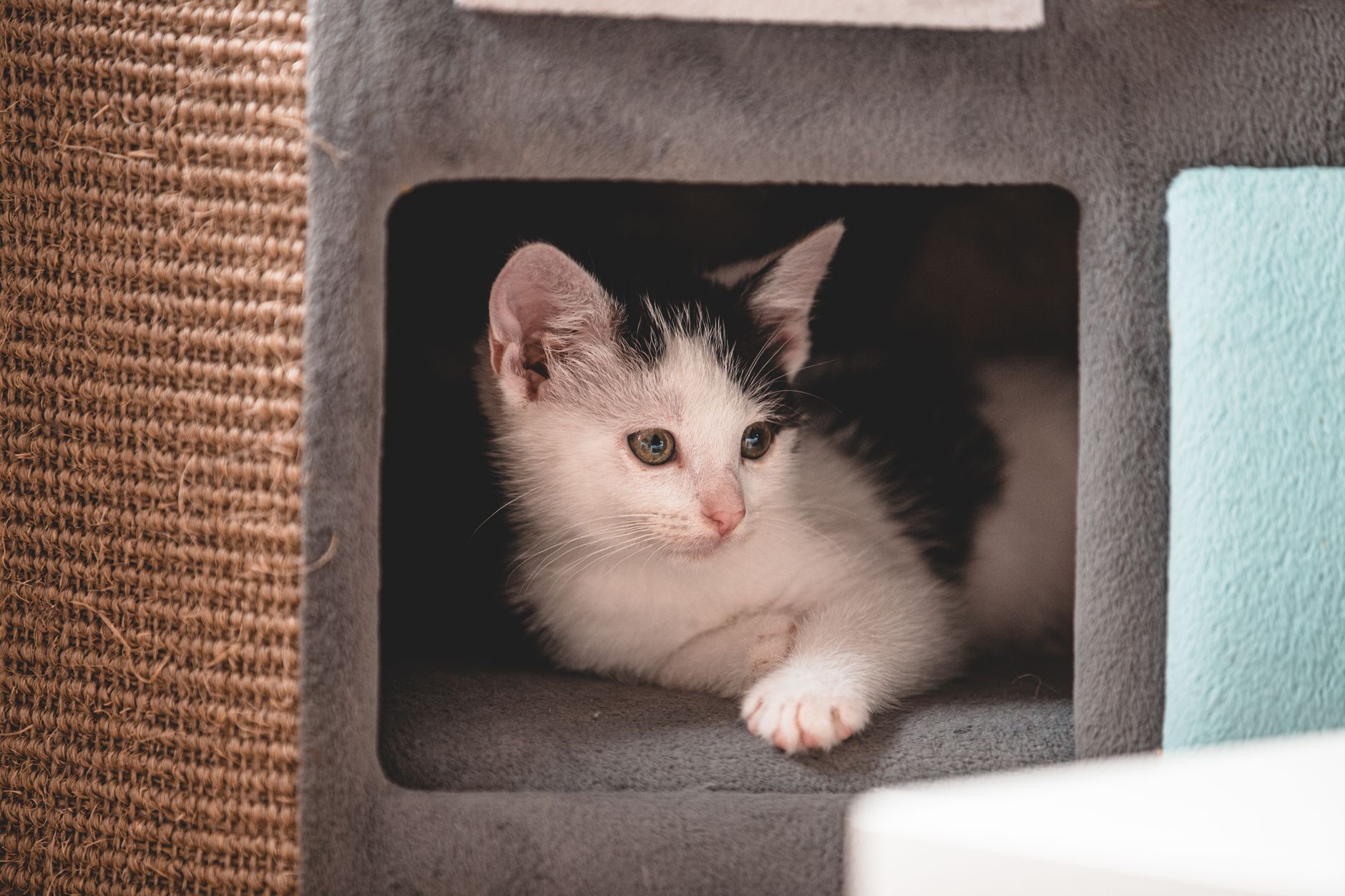
Cats can safely climb shelves in most cases, as they are naturally equipped with the physical abilities to navigate vertical spaces. Their powerful hind legs, flexible spines, and sharp claws make them adept climbers from a young age. A typical healthy adult cat can climb shelving units without injury, provided the shelves are sturdy enough to support their weight and the environment is free from hazards. However, safety depends entirely on how the shelving is installed, what objects are stored on it, and the individual cat’s age and health status.
The key to safe shelf climbing is preparation and prevention rather than restriction. Most cats have an innate drive to climb and perch at heights, which provides them with a sense of security and allows them to survey their territory. When shelves are unstable, overcrowded with fragile items, or poorly positioned, they become genuine hazards. A cat jumping onto an improperly anchored bookcase could cause the entire unit to topple, leading to serious injury or death. Similarly, shelves lined with breakable decorations, toxic plants, or sharp objects create risks that go beyond the climbing itself.
Table of Contents
- What Makes Shelf Climbing Instinctive for Cats?
- Structural Safety and Shelf Stability Concerns
- Age, Health, and Individual Cat Considerations
- Creating Safe Climbing Alternatives
- Common Hazards Found on Household Shelves
- When Cats Climb Shelves as a Sign of Stress or Illness
- Supervising Cats on Shelves and Recognizing Signs of Injury
- Frequently Asked Questions
What Makes Shelf Climbing Instinctive for Cats?
cats climb shelves because it is deeply embedded in their evolutionary behavior. In the wild, felines seek elevation to escape predators, hunt prey more effectively, and rest safely away from ground-level threats. A domestic cat climbing your bedroom shelves is responding to the same survival instincts that guided their ancestors. This behavior typically emerges in kittens as young as eight weeks old, when they begin testing their climbing abilities on furniture, curtains, and other vertical surfaces.
The physical mechanics of cat climbing are highly specialized. Their claws are designed to hook into surfaces and provide traction, while their flexible spine allows them to twist their bodies at angles that seem impossible to humans. A cat’s powerful hind legs propel them upward with explosive force, allowing them to jump onto shelves that are several times their own height. The vestibular system in their inner ear helps them maintain balance at elevation, which is why you rarely see a cat lose its footing on a shelf unless the surface is extremely slippery or unstable.
Structural Safety and Shelf Stability Concerns
The single most important factor in shelf safety is whether the shelving unit is properly secured to the wall. Free-standing bookcases and shelving units that are not anchored to wall studs can tip over if a cat lands on them with force or uses them as a springboard to reach higher surfaces. This is not a minor inconvenience—a toppling bookcase can crush a cat or cause severe spinal injuries. The Consumer Product Safety Commission has documented numerous incidents involving tipping furniture, many involving pets. If your shelves are not wall-mounted or anchored, they should be considered off-limits for your cat, or the shelving should be replaced with secured alternatives.
Shelf depth and material also matter significantly. Narrow shelves (less than 8 inches deep) may feel unstable under a cat’s weight, particularly if the cat is large or lands awkwardly. Open metal shelving with thin supports can flex or bend when a cat jumps onto it. Glass shelves, while visually appealing, are more prone to cracking if a cat lands on them at the wrong angle, and broken glass poses an obvious cutting hazard. The safest shelf materials are solid wood or metal shelving with adequate support brackets spaced appropriately for the load.
Age, Health, and Individual Cat Considerations
Kittens and senior cats face different shelf-related risks. Young kittens (under 12 weeks) lack the coordination and strength to climb safely and should be physically prevented from accessing shelves until they are older. Senior cats (over 10 years old) often experience arthritis, reduced muscle mass, and declining balance, making climbing more difficult and more dangerous. An older cat that previously climbed shelves without incident may suddenly struggle to land safely or judge distances correctly. In these cases, providing low-level perches or cat trees becomes a safer alternative to climbing tall shelving.
Cats with certain health conditions should not be climbing shelves. Cats with spinal issues, hip dysplasia, or other orthopedic problems can experience pain or injury from jumping. Obese cats face greater stress on their joints during climbing and landing. Indoor cats that have not climbed regularly may have weaker climbing muscles than their counterparts and are more prone to missteps. A cat that has never climbed before should not suddenly be encouraged to climb shelves at age five or older, as their muscle development and proprioception may not support the activity safely.
Creating Safe Climbing Alternatives
Rather than relying on shelves for climbing, dedicated cat furniture provides a controlled climbing environment. Cat trees, wall-mounted climbing shelves designed specifically for cats, and catwalks offer the height and security cats crave without the risks associated with household shelving. These alternatives are built to withstand repeated jumping and are engineered to be stable and secure. A quality cat tree can cost between $50 and $300 depending on size and complexity, whereas replacing a broken vase from a shelf incident or addressing a cat injury costs considerably more.
If you want to allow shelf climbing while minimizing risk, transition your cat to safer surfaces gradually. Remove fragile items from shelves, secure the shelving to walls, and ensure shelves are at least 10 inches deep and have smooth, non-slippery surfaces. Some cat owners use clear acrylic sheets or non-slip tape on shelf edges to improve grip and prevent slipping. The tradeoff is aesthetic: your shelves will look less decorated and more sparse, but your cat will be safer and your belongings will be protected.
Common Hazards Found on Household Shelves
Many household items stored on shelves are toxic or dangerous to cats. Houseplants like lilies, poinsettias, and dieffenbachia are toxic if ingested and are often placed on shelves where climbing cats can access them. Cleaning products, medications, candles, and essential oils are additional shelf-stored hazards. A cat that climbs onto a shelf may knock over a glass of water, causing an electrical hazard if the shelf is near electronics.
Perfumes and fragrances can be ingested when cats groom their paws after walking across perfumed items. Small decorative objects pose choking or blockage risks if cats knock them off or play with them. Rubber bands, string, yarn, and other materials often stored in shelf containers are extremely dangerous to cats—ingestion can lead to life-threatening intestinal blockages requiring surgery. The presence of these hazards should disqualify a shelf from being a “safe” climbing zone, regardless of the shelf’s structural integrity. Before allowing a cat to climb shelves, every item stored there must be evaluated for toxicity, breakability, and ingestion risk.
When Cats Climb Shelves as a Sign of Stress or Illness
Cats sometimes increase their climbing behavior when they are stressed, anxious, or seeking escape from something in their environment. A cat that suddenly begins climbing shelves more frequently than usual may be reacting to a new pet, a change in routine, or another environmental stressor. This heightened climbing activity increases the risk of accidents, as stressed cats may be less cautious and make poor landing decisions. Addressing the underlying stressor—through environmental enrichment, additional hiding spaces, or veterinary behavioral consultation—can reduce stress-related climbing and indirectly improve safety.
In some cases, increased shelf climbing can indicate pain or illness. A cat with an ear infection or other disorienting condition may climb to escape the discomfort or to find a quiet, elevated space. A diabetic cat may climb more as their metabolism and energy levels change. If your cat’s climbing habits change suddenly, a veterinary checkup is warranted to rule out underlying health issues before assuming the behavior is simply normal or attention-seeking.
Supervising Cats on Shelves and Recognizing Signs of Injury
Even with precautions in place, cat owners should occasionally observe their cats climbing shelves to ensure they are doing so safely. A cat that hesitates before jumping, lands awkwardly, or seems unbalanced may be having physical difficulty. Cats that slip or slide on shelf surfaces should not be using those shelves, as slipping increases injury risk and may indicate inadequate grip. After a cat jumps off a shelf or lands hard, watch for signs of limping, reluctance to jump, or changes in movement over the following hours and days.
If a cat sustains an injury from a shelf fall, symptoms may not be immediately obvious. Spinal injuries, rib fractures, and internal bleeding can develop over hours or days. Any cat that has fallen from a height should be examined by a veterinarian, even if it seems to be moving normally. Cats are skilled at masking pain and injury, so subtle signs like decreased appetite, litter box avoidance, or reluctance to climb may indicate injury that requires treatment. Prevention through stable shelving, careful item storage, and attentiveness to individual cat capabilities remains far more effective than managing injuries after they occur.
Frequently Asked Questions
Can kittens climb shelves safely?
Kittens under 12 weeks old lack the coordination and strength to climb safely and should be kept away from shelves. Most kittens develop adequate climbing ability by 4-6 months of age, though they may still be clumsy and prone to falls.
Is it normal for cats to avoid climbing shelves?
Yes. Not all cats are motivated to climb, and some cats naturally prefer ground-level activities. Cats with arthritis, obesity, or prior injuries often choose not to climb, which is completely normal and does not indicate a problem.
What should I do if my cat climbs shelves and knocks things off?
Remove all breakable, toxic, or dangerous items from the shelves entirely. Alternatively, block access to the shelves using barriers or furniture rearrangement until you can make the environment safer.
Are wall-mounted cat shelves safer than regular household shelves?
Yes. Cat-specific wall shelves are designed to support repeated jumping, are secured directly to wall studs, and have appropriate depth and surface texture for safe landing and movement.
Can a cat be trained not to climb shelves?
Cats can be redirected to alternative climbing surfaces like cat trees, but they cannot be reliably trained to avoid climbing entirely, as it is an instinctive behavior. Providing acceptable alternatives is more effective than prevention.
What is the highest a cat can safely jump onto?
A healthy adult cat can jump onto surfaces 6-8 feet high, though landing becomes riskier at extreme heights. Shelves positioned above 5 feet should be considered higher-risk for safety.