Yes, brown rice is safe for cats to eat in small amounts, but it shouldn’t be a regular part of their diet. Unlike many human foods, brown rice doesn’t contain toxic compounds that would harm your cat, and cats can digest it without immediate adverse effects. However, cats are obligate carnivores, meaning their bodies are designed to thrive on meat-based proteins, not plant-based carbohydrates. A cat fed primarily on brown rice would develop serious nutritional deficiencies.
For example, brown rice lacks taurine, an essential amino acid that cats cannot synthesize on their own and must obtain from animal sources. The key distinction is between occasional consumption and regular feeding. If your cat snatches a few grains of cooked brown rice from your plate or you’ve mixed a small amount into their meal as a binder or filler, there’s minimal cause for concern. Many pet owners add tiny portions of brown rice to their cat’s diet as a digestive aid during stomach upset, similar to how plain cooked chicken or bone broth might be offered. The risk comes when cat owners mistakenly believe rice can serve as a complete food or primary meal component.
Table of Contents
- Can Cats Digest Brown Rice?
- Nutritional Deficiencies and Health Concerns
- Brown Rice as a Digestive Aid
- Portion Control and Safe Feeding Practices
- When Brown Rice Can Be Problematic
- Brown Rice vs. Other Grains and Alternatives
- The Role of Commercial Cat Foods and Balanced Nutrition
- Conclusion
- Frequently Asked Questions
Can Cats Digest Brown Rice?
cats have a short digestive tract designed for protein and fat metabolism rather than carbohydrate processing. When a cat eats brown rice, their digestive system can break down the grain to some extent, but inefficiently. Cooked brown rice is easier to digest than raw rice because the cooking process softens the grain structure, making it more accessible to digestive enzymes. However, cats don’t produce sufficient amylase, the enzyme needed to fully break down complex carbohydrates found in brown rice.
The difference between cats and humans is stark. A human’s saliva contains amylase to begin carbohydrate digestion, and our bodies efficiently convert plant carbohydrates into glucose for energy. Cats lack this adaptation—they’ve evolved as hunters that consume whole prey containing high protein and moderate fat. When you feed a cat brown rice, some of it passes through their system largely undigested, and the cat gains minimal nutritional benefit. A cat eating primarily brown rice would experience rapid weight loss despite appearing to eat regular meals, similar to what happens with other inappropriate low-protein diets.
Nutritional Deficiencies and Health Concerns
Brown rice contains some beneficial nutrients like B vitamins, manganese, and fiber, but these don’t address a cat’s critical dietary needs. The most dangerous deficiency resulting from a rice-heavy diet is the lack of taurine. This amino acid is essential for cat heart function, vision, and reproductive health. Cats on taurine-deficient diets develop dilated cardiomyopathy, a life-threatening heart condition, within weeks to months.
Additionally, brown rice lacks adequate bioavailable protein, arginine, and arachidonic acid—all nutrients cats must obtain from animal sources. Another concern is the high fiber content in brown rice. While some fiber can help with digestion and weight management, excessive amounts can lead to intestinal blockages, diarrhea, or constipation in cats. A cat that eats too much brown rice may develop loose stools or, conversely, become constipated if the rice absorbs too much moisture in the digestive tract. Cats with pre-existing digestive sensitivities or inflammatory bowel disease should avoid brown rice entirely because the fiber can irritate their intestines rather than soothe them.
Brown Rice as a Digestive Aid
Some veterinarians recommend small amounts of plain, cooked brown rice as a short-term digestive remedy when a cat has diarrhea or mild gastrointestinal upset. The rationale is that rice is bland, easy to digest, and can help firm up loose stools. This approach works best when combined with a meat-based diet: for instance, offering a small bowl of plain cooked brown rice mixed with boiled chicken or turkey. The rice acts as a binder while the animal protein provides the nutrition the cat actually needs.
The limitation here is that brown rice’s effectiveness as a digestive aid is overstated. Many vets now prefer pumpkin puree, plain cooked chicken, or prescription digestive diets formulated specifically for cats with GI issues. If your cat has chronic diarrhea, brown rice is a temporary band-aid at best. You should identify the underlying cause—whether it’s food sensitivity, infection, IBD, or another condition—rather than relying on rice as a long-term solution. A cat whose diarrhea persists beyond a few days after eating brown rice needs veterinary evaluation.
Portion Control and Safe Feeding Practices
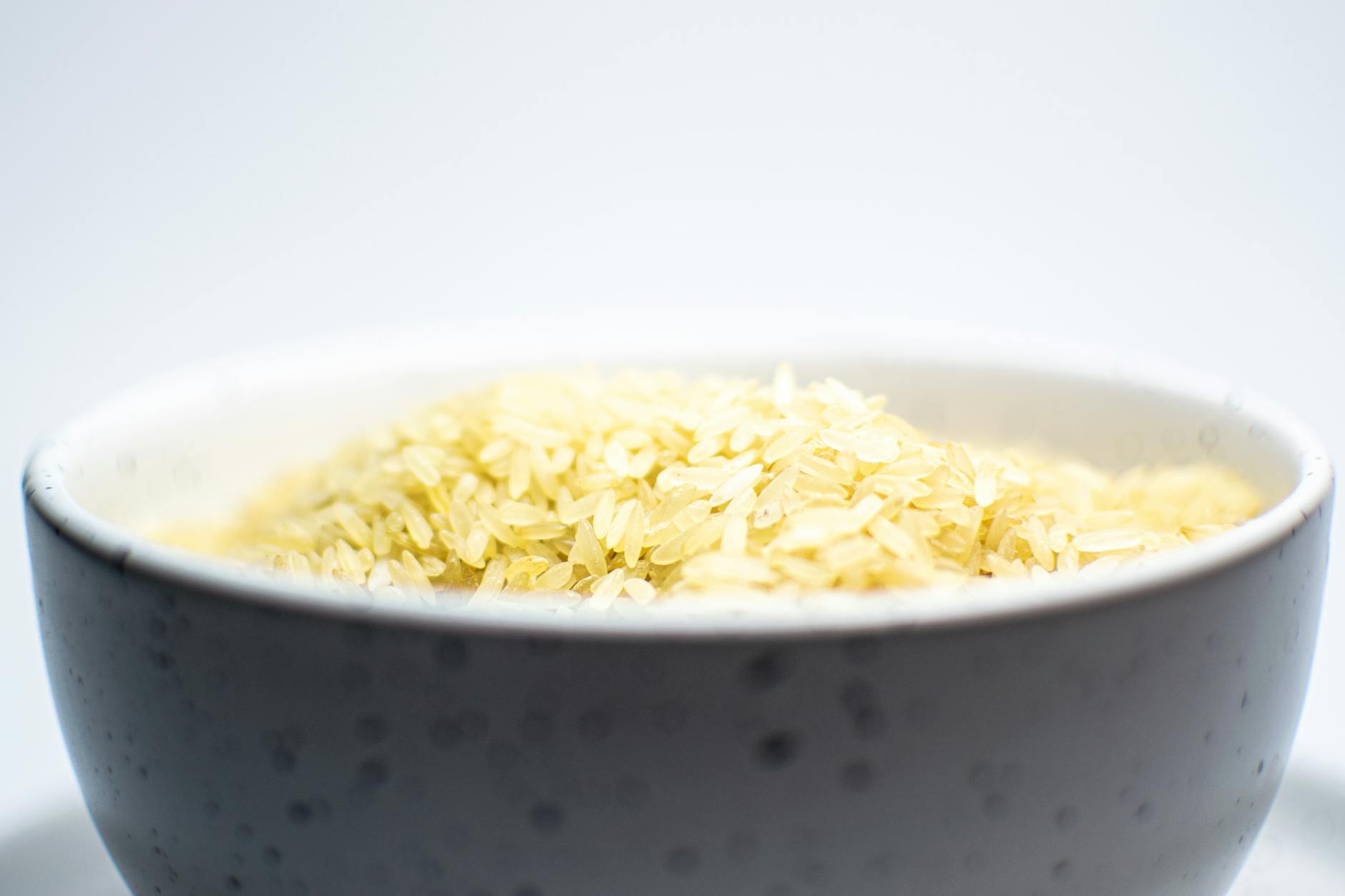
If you decide to offer brown rice to your cat, the portion must be extremely small—no more than one teaspoon mixed into their regular food or offered alone. The rice should always be cooked thoroughly to soften it and eliminate any digestive stress. Never give cats uncooked rice or brown rice that’s been prepared with added salt, oil, garlic, or onions, all of which are harmful. A practical example: if you’re preparing a plain chicken and rice mixture for yourself and want to share with your cat, use about 90 percent plain cooked chicken and 10 percent plain cooked brown rice, mixed into their regular wet food.
A critical tradeoff to consider is the caloric density of rice versus meat. Feeding brown rice takes up stomach space and calories that should go toward nutrient-dense animal protein. A cat eating even moderate amounts of rice will feel fuller but receive fewer essential nutrients, leading to slow malnutrition over time. Compare this to feeding the same volume of cooked chicken: the cat gets full, satisfied, and properly nourished. For weight management in overweight cats, adding low-calorie vegetables or reducing overall portions of their regular food is more effective and safer than substituting rice.
When Brown Rice Can Be Problematic
Cats with certain medical conditions should never eat brown rice, even in small amounts. Cats with diabetes, for example, benefit from low-carbohydrate diets, and brown rice adds unnecessary carbohydrates that can complicate blood glucose management. Senior cats with compromised kidney function need high-quality protein and should not waste digestive capacity on rice. Kittens and growing cats need concentrated nutrition; feeding them any quantity of brown rice deprives them of critical growth nutrients.
Another warning involves feeding trials and unbalanced homemade diets. Some cat owners attempt to create homemade cat food recipes that include brown rice as a cost-saving measure. Without formulation by a veterinary nutritionist, these diets are almost always nutritionally incomplete. A cat eating homemade brown rice-based meals for months develops severe deficiencies that cause organ damage, muscle wasting, and behavioral changes. If you’re interested in homemade cat food, consult a board-certified veterinary nutritionist to ensure the recipe meets AAFCO standards.
Brown Rice vs. Other Grains and Alternatives
If you’re considering grains for your cat, brown rice ranks among the safer options, but that doesn’t make it ideal. White rice is more digestible than brown rice because it lacks the bran and germ layers, but it’s also less nutritious. Other grains like wheat, corn, and soy are common allergens in cats and should be avoided.
If you want to add fiber or volume to a cat’s meal for digestive health or weight management, better alternatives include plain cooked pumpkin, a small amount of cooked sweet potato, or commercial prescription diets formulated for these purposes. An example: a cat with mild diarrhea might benefit more from a single tablespoon of plain canned pumpkin mixed with their regular food than from brown rice, because pumpkin provides soluble fiber without the digestive inefficiency. If your cat is overweight, feeding smaller portions of their regular high-protein food is far more effective than adding rice.
The Role of Commercial Cat Foods and Balanced Nutrition
Most high-quality commercial cat foods are formulated to meet all of a cat’s nutritional needs, including the precise balance of taurine, protein, fat, and micronutrients. These foods contain appropriate amounts of carbohydrates (if any) to support digestion without creating nutritional imbalances. When you’re considering adding brown rice or any other food to your cat’s diet, it’s worth asking: does this improve their nutritional profile, or does it dilute the balanced nutrition their primary food provides? The answer, in most cases, is that it dilutes rather than improves.
Looking forward, veterinary nutrition science continues to evolve, with more research on species-appropriate diets and the long-term effects of various feeding practices. The trend is moving toward higher-protein, lower-carbohydrate diets for cats, the opposite direction of adding rice. If you have questions about your cat’s specific dietary needs—whether due to age, health condition, or lifestyle—consulting a veterinary nutritionist provides far more personalized and reliable guidance than general feeding advice.
Conclusion
Brown rice is safe for cats to eat occasionally in very small amounts, but it offers minimal nutritional benefit and should never replace their primary meat-based diet. Cats are obligate carnivores whose bodies require animal-based protein, taurine, and other nutrients that brown rice simply cannot provide. While a stray grain or small teaspoon mixed into food won’t cause harm, regular consumption of rice creates the potential for serious nutritional deficiencies, including taurine deficiency-induced heart disease.
If you’re considering adding brown rice to your cat’s diet—whether as a digestive aid, weight management tool, or cost-saving measure—discuss the approach with your veterinarian first. There are usually more effective, species-appropriate alternatives. Your cat’s long-term health depends on a diet formulated to meet their biological needs as an obligate carnivore, not on human staple foods offered out of convenience.
Frequently Asked Questions
Can kittens eat brown rice?
No. Kittens require concentrated nutrition for growth and development. Brown rice is low in calories and essential nutrients kittens need, and introducing it could slow growth or cause developmental delays. Stick to high-quality kitten food formulated for their age and size.
Is cooked brown rice better than uncooked for cats?
Yes, always offer cooked brown rice if you decide to feed it. Cooked rice is softer and slightly more digestible. Uncooked rice is a choking hazard and offers no digestive benefit.
Can brown rice help a cat lose weight?
Not effectively. Adding brown rice actually works against weight loss because it dilutes the nutritional density of meals without providing satiety the way protein does. For weight management, reduce portion sizes of regular food or switch to a prescription diet formulated for weight loss.
What should I do if my cat eats a large amount of brown rice?
Monitor your cat for signs of digestive upset like vomiting, diarrhea, or constipation over the next 24-48 hours. Most cats tolerate accidental consumption without problems. If your cat shows symptoms or if they’ve consumed a truly massive amount, contact your veterinarian.
Is brown rice safer than white rice for cats?
Both are minimally processed grains that cats should avoid as dietary staples. Brown rice has slightly more nutrients, but cats can’t access them efficiently. Neither should be fed regularly.
Can I make homemade cat food with brown rice?
Not safely without professional nutritional formulation. Homemade diets without veterinary nutritionist oversight are almost always nutritionally inadequate. If you want to prepare food for your cat, consult a board-certified veterinary nutritionist to ensure it meets all nutritional requirements.