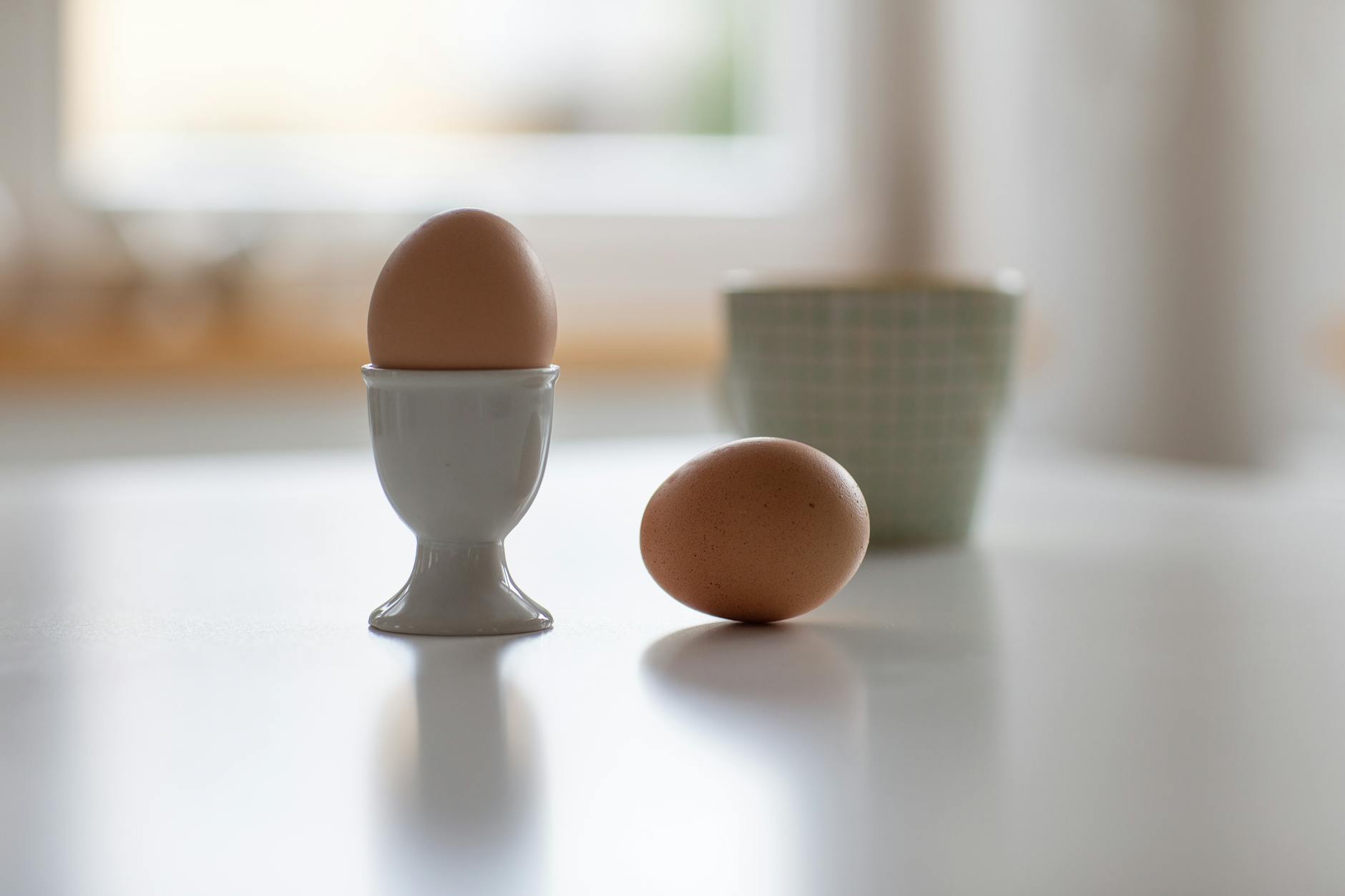
Eggshells are generally safe for cats to eat in small amounts, as they’re not toxic and can even provide some nutritional benefits. However, the safety depends heavily on how the eggshells are prepared and the quantity your cat consumes. A cat that nibbles on a small piece of cooked eggshell from your breakfast plate is unlikely to experience any problems, but regularly feeding large amounts of raw or improperly prepared eggshells can lead to digestive issues or choking hazards.
The key consideration is that eggshells are hard and relatively indigestible for cats. While cats have strong stomach acid and can process many things humans cannot, eggshell fragments don’t break down easily and can potentially cause blockages or intestinal problems if consumed in significant quantities. Most veterinarians recommend limiting or avoiding eggshells as a dietary component for cats, even though they’re not inherently dangerous.
Table of Contents
- Can Cats Digest Eggshells Safely?
- Raw Versus Cooked Eggshells and Contamination Risks
- Nutritional Benefits and Calcium Content in Eggshells
- Practical Alternatives to Feeding Eggshells
- Choking and Intestinal Blockage Concerns
- Household Safety and Accidental Consumption
- When to Consult Your Veterinarian
- Conclusion
Can Cats Digest Eggshells Safely?
cats lack the specialized enzymes needed to break down eggshell material effectively, which is composed primarily of calcium carbonate. Unlike their wild ancestors who might consume bone and shell material as part of their prey, domesticated cats have digestive systems adapted for processed cat food and meat. When a cat ingests eggshell fragments, they often pass through the digestive tract largely unchanged, similar to how non-nutritive fiber moves through their system.
The risk increases when cats consume large quantities or when eggshell pieces are too large to pass through the digestive tract comfortably. For example, a cat that eats the entire shell from a broken egg may experience constipation or discomfort, whereas a cat that licks a small amount of eggshell dust from a plate typically experiences no problems. The texture and hardness of the shell matter considerably—softer eggshell material poses less risk than sharp, hard fragments.
Raw Versus Cooked Eggshells and Contamination Risks
Raw eggshells carry the additional risk of bacterial contamination, most notably from salmonella, which can affect both cats and humans. When eggshells are raw, they provide an ideal surface for harmful bacteria to survive and reach your cat’s digestive system. Cooked eggshells are safer from a bacterial standpoint, though the structural problems remain.
A cat that eats a raw eggshell fragment carries a meaningful risk of developing salmonella infection, which causes vomiting, diarrhea, lethargy, and fever. Another concern involves the potential for eggshell fragments to cause impaction or obstruction in the digestive tract, particularly in younger kittens or cats with pre-existing digestive sensitivities. Unlike calcium powder supplements designed for feline nutrition, eggshells are a crude and inconsistent source of calcium that your cat’s body struggles to process efficiently. Additionally, if an eggshell is from a factory-farmed egg, residual pesticides or medications used in commercial poultry production could theoretically accumulate, though this risk is generally low.
Nutritional Benefits and Calcium Content in Eggshells
Eggshells do contain substantial amounts of bioavailable calcium, which is why some pet owners and raw-feeding advocates include crushed eggshells in homemade cat diets. The calcium content of eggshells is approximately 400 milligrams per shell, making them a theoretically rich source of this essential mineral. However, the calcium in eggshells is only beneficial if it’s properly processed and your cat’s digestive system can actually absorb it.
The reality is that cats derive calcium far more effectively from whole prey or commercial cat foods formulated with balanced mineral ratios. A cat eating a diet of raw chicken with organs and bones receives calcium in a form their body recognizes and processes efficiently. Eggshells, by contrast, offer calcium in a matrix that cats struggle to utilize. If your goal is to supplement your cat’s calcium intake, commercial feline supplements or adjusting their regular diet is far more effective and safer than relying on eggshells.
Practical Alternatives to Feeding Eggshells
If you want to provide your cat with the nutritional benefits associated with eggshells, better options exist. High-quality commercial cat foods already contain appropriate calcium and mineral ratios designed for feline physiology, eliminating any need for supplementation in most cases. If you feed a homemade or raw diet, consult with a veterinary nutritionist who can recommend appropriate calcium supplements, such as calcium carbonate powder or bone meal, that are formulated for safe feline consumption.
Whole eggs themselves—cooked and cooled, without the shell—are a nutritious treat for most cats and provide protein, fat, and some of the nutritional benefits you might seek from eggshells without the digestive risks. A cat can safely eat a small piece of cooked egg white or yolk occasionally as a supplement to their regular diet. This approach gives you the nutrition-focused reasoning behind wanting to feed eggs while eliminating the complications and risks that eggshells introduce.
Choking and Intestinal Blockage Concerns
The most serious risk associated with eggshells is the potential for choking or intestinal blockage, particularly with certain pieces. Sharp fragments of eggshell can scratch the mouth, throat, or esophagus as a cat swallows, causing pain or minor bleeding. In more severe cases, larger pieces or accumulated smaller fragments can lodge in the digestive tract, creating an obstruction that requires veterinary intervention and potentially surgery.
Kittens and senior cats face elevated risk, as they have less efficient swallowing reflexes or pre-existing digestive vulnerabilities. A kitten that bites off a large chunk of eggshell may not be able to swallow it safely, while an older cat with a sensitive stomach may experience impaction from even small amounts. If your cat has a history of eating non-food items (pica) or has a sensitive digestive system, eggshells should be avoided entirely. Warning signs of blockage include constipation, lethargy, repeated vomiting, loss of appetite, or abdominal pain—any of which warrant immediate veterinary evaluation.
Household Safety and Accidental Consumption
Most cases of cats consuming eggshells occur accidentally when they find broken eggshells in the kitchen or litter box if you compost eggshells indoors. The risk in these scenarios is lower than intentional feeding because cats typically consume only small fragments during exploratory eating. However, if you regularly leave eggshells accessible on counters, in compost bins, or in open trash, your cat may consume enough over time to cause problems.
A practical approach is to immediately dispose of eggshells in sealed trash or composting systems that your cat cannot access. If you notice your cat showing interest in eggshells, redirect their attention to appropriate toys or treats and remove the eggshells from their environment. This simple precaution eliminates accidental ingestion risks without requiring you to monitor your cat’s behavior constantly.
When to Consult Your Veterinarian
If your cat has already consumed eggshells and shows signs of digestive distress, contact your veterinarian promptly. Symptoms to watch for include vomiting, decreased appetite, constipation lasting more than a day, abdominal pain, lethargy, or behavioral changes suggesting discomfort. Most cats that eat small amounts of eggshells experience no problems, but veterinary evaluation provides peace of mind and early detection if complications develop.
Your veterinarian can also provide guidance tailored to your cat’s specific health status, age, and dietary needs. If you’re interested in adding eggs or other supplements to your cat’s diet, a vet can recommend the safest and most nutritionally balanced approach. Having this conversation proactively is far better than waiting to see if a problem develops.
Conclusion
Eggshells are not toxic to cats, but they are not recommended as a regular part of a feline diet due to digestibility issues, choking risks, and potential bacterial contamination when raw. While a cat that accidentally consumes a small amount of eggshell will likely be fine, intentionally feeding eggshells provides minimal nutritional advantage compared to safer alternatives. The calcium and other nutrients in eggshells are much less bioavailable to cats than the same nutrients provided through commercial cat foods or veterinarian-recommended supplements.
If you want to offer your cat egg-based nutrition, cooked whole eggs without the shell are a far better choice and can be given occasionally as a treat. For long-term dietary planning, including calcium supplementation, work with your veterinarian to ensure your cat receives appropriate nutrition in forms their digestive system can efficiently process. By avoiding eggshells and choosing safer alternatives, you protect your cat from unnecessary digestive complications while still providing nutritionally sound supplementation.