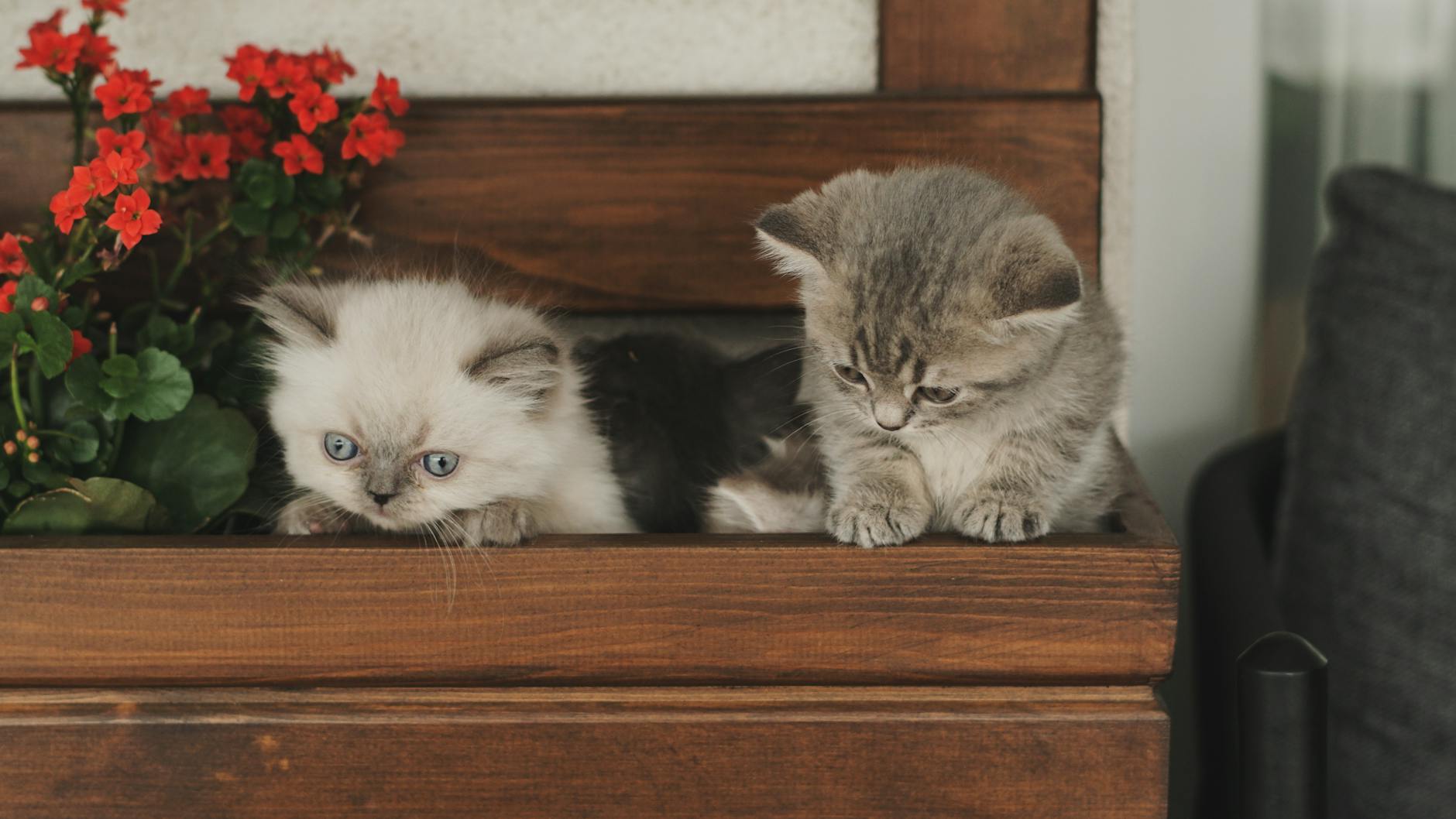
No, it is generally not safe for cats to eat most houseplants. Many common household plants are toxic to cats and can cause serious health problems ranging from mild gastrointestinal upset to organ damage or death, depending on which plant and how much was ingested. For example, lilies are among the most dangerous houseplants for cats—even a small amount of lily plant material can cause acute kidney failure in felines, sometimes proving fatal within 24 to 72 hours if untreated.
The challenge for cat owners is that cats are naturally curious creatures with an instinctive drive to investigate their environment, including chewing on plants. This behavior stems from their hunting instincts and their need for environmental enrichment. While some cats show little interest in plants, others actively seek them out, making it essential for owners to understand which plants pose a genuine threat and how to protect their pets.
Table of Contents
- Which Common Houseplants Are Toxic to Cats?
- Understanding the Mechanisms of Plant Toxicity in Cats
- Recognizing Symptoms of Plant Poisoning in Cats
- Creating a Safe Indoor Environment for Cats
- What to Do If Your Cat Eats a Toxic Houseplant
- Non-Toxic Alternatives to Popular Houseplants
- Building Long-Term Plant Safety Habits
- Conclusion
- Frequently Asked Questions
Which Common Houseplants Are Toxic to Cats?
Certain houseplants contain compounds that are poisonous to cats, and some are far more dangerous than others. Lilies top the danger list—particularly Easter lilies, tiger lilies, and Asiatic lilies—as they’re highly nephrotoxic, meaning they damage the kidneys. Other severely toxic plants include dieffenbachia (also called dumb cane), which contains calcium oxalate crystals that burn the mouth and throat; oleander, which contains cardiac glycosides that affect the heart; and sago palm, which can cause liver failure.
Philodendrons, peace lilies, and caladiums also contain oxalate crystals and should be kept away from cats. A comparison between plant toxicity levels is useful for prioritizing risk: lilies and sago palm represent the highest-risk category, potentially fatal with small ingestions; plants like dieffenbachia and oleander fall into the severe category, causing serious but typically non-fatal poisoning; and plants like spider plants or Christmas cactus cause only mild gastrointestinal symptoms or none at all. Many cat owners mistakenly believe that “non-toxic” plants pose absolutely no risk, but some can still cause digestive upset or other issues in certain cats. The ASPCA Poison Control Center provides a searchable database of toxic and non-toxic plants for reference.
Understanding the Mechanisms of Plant Toxicity in Cats
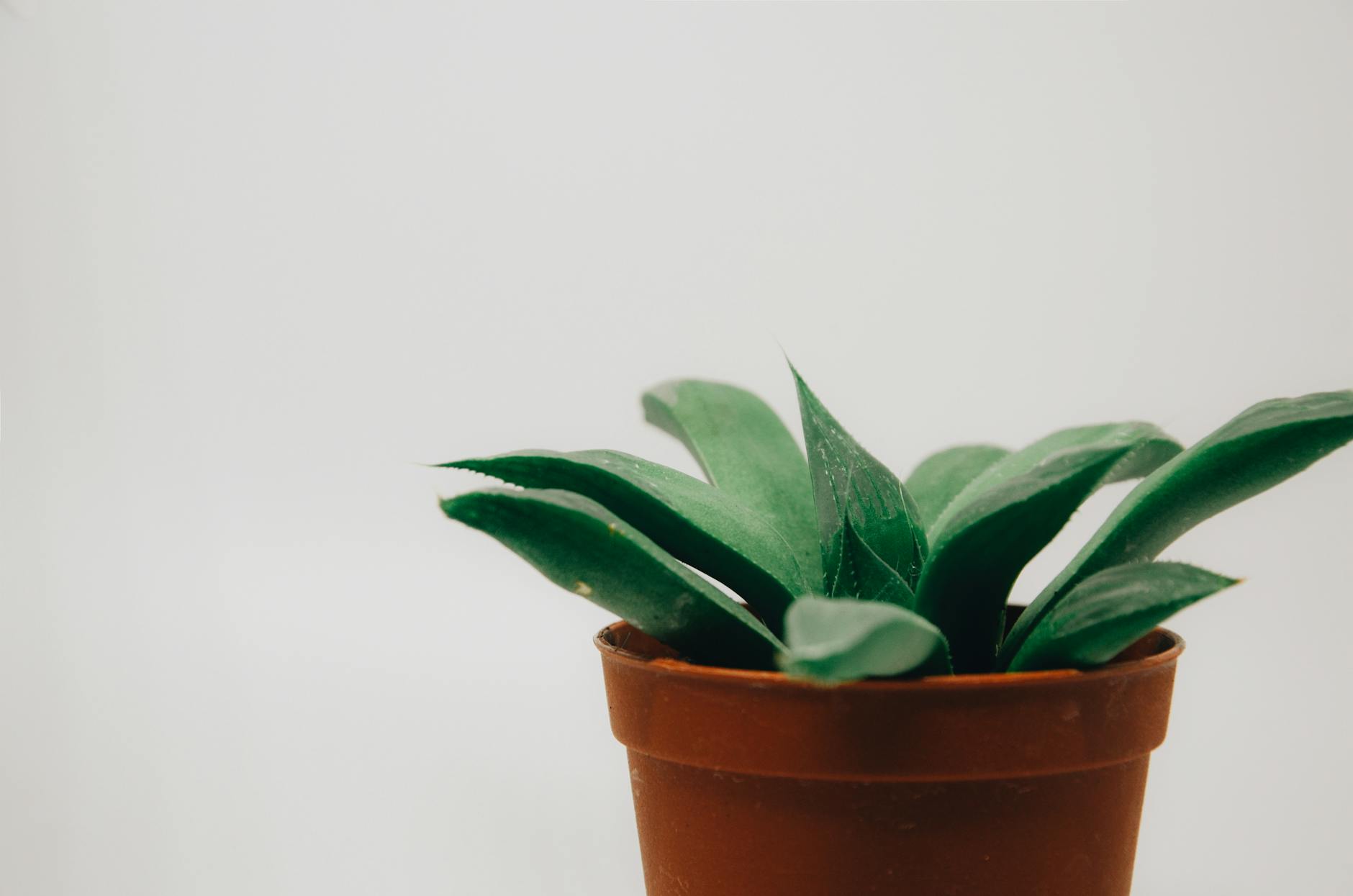
Plants harm cats through several different chemical mechanisms. Calcium oxalate crystals, found in many common houseplants, physically irritate the mouth, tongue, and digestive tract when ingested, causing burning sensations, drooling, vomiting, and difficulty swallowing. Cardiac glycosides, present in plants like oleander and digitalis, interfere with heart function by affecting electrolyte balance and the heart’s electrical system. Alkaloids and other plant compounds can damage organs, particularly the kidneys and liver.
A major limitation in treating plant poisoning is that symptoms often don’t appear immediately, which delays diagnosis and treatment. With lily toxicity, a cat might show only mild vomiting or lethargy within the first 6 to 12 hours, yet severe kidney damage may already be occurring. By the time the owner realizes the severity of the problem, kidney function can be irreversibly compromised. This delayed presentation makes prevention through plant removal far superior to attempting treatment after exposure. Additionally, the amount of plant material required to cause harm varies—some lilies are dangerous at just a few leaves or even pollen, while other plants might require larger ingestions to cause noticeable symptoms.
Recognizing Symptoms of Plant Poisoning in Cats
If a cat has eaten a toxic houseplant, symptoms may appear within minutes to hours depending on the plant and the amount ingested. Early signs include drooling, vomiting, diarrhea, abdominal pain, loss of appetite, and lethargy. Some cats may show specific symptoms related to the plant’s toxin—for example, lilies often cause acute vomiting and abnormal urination patterns as kidney function declines, while dieffenbachia causes visible mouth burning and difficulty eating.
For severe poisonings, symptoms can escalate to include tremors, seizures, difficulty breathing, or collapse. A cat that ingested lilies and goes untreated may develop acute kidney injury within 24 to 72 hours, leading to a sudden inability to urinate, extreme lethargy, or coma. The challenge is that by the time severe symptoms appear, emergency veterinary intervention and aggressive treatment may still not reverse the damage. If an owner suspects their cat has eaten any toxic plant material, immediate veterinary consultation is essential, even if the cat seems fine at the moment.
Creating a Safe Indoor Environment for Cats
The most effective approach to protecting cats from plant poisoning is preventative—removing toxic plants from the home entirely or placing them in areas the cat absolutely cannot access. This might mean hanging planters in rooms the cat doesn’t frequent, keeping plants on high shelves, or simply choosing to grow only non-toxic plants. Common safe plants for households with cats include spider plants, Boston ferns, African violets, cat grass, and certain succulents like echeveria. However, this approach has real tradeoffs.
If a cat owner loves houseplants and wants a verdant living space, eliminating all toxic plants requires careful planning and research about what can safely remain. Additionally, some cats are determined climbers or jumpers, making “high shelf” placement unreliable. Another practical strategy is to provide cats with their own plant—cat grass or catnip plants—which satisfies their natural urge to chew on vegetation while providing harmless activity and even digestive benefits. For owners with multiple plants and multiple cats, this combination of removal, placement, and cat-safe alternatives often works better than relying on any single strategy.
What to Do If Your Cat Eats a Toxic Houseplant
If an owner witnesses their cat eating a toxic plant, the first step is to stop the cat from eating more of it and call a veterinary emergency clinic or the ASPCA Poison Control Center (888-426-4435, which charges a fee). The owner should note the plant’s name, the estimated amount ingested, and when the ingestion occurred. This information helps the veterinarian determine whether induced vomiting, activated charcoal, or IV fluids are necessary, or whether the cat needs immediate monitoring.
A significant limitation is that many owners don’t know which plants are toxic, so they may not realize their cat consumed something dangerous. If a cat shows sudden vomiting, lethargy, or abnormal urination without an obvious cause, the owner might not immediately suspect plant ingestion. Emergency veterinarians sometimes recommend bringing a photo or sample of the plant to the clinic, or knowing the plant’s exact botanical name, which helps pinpoint the specific toxins involved. Treatment is supportive and varies by plant—lily poisoning often requires IV fluids and kidney function monitoring, while dieffenbachia poisoning may focus on managing oral irritation and supporting digestion.
Non-Toxic Alternatives to Popular Houseplants
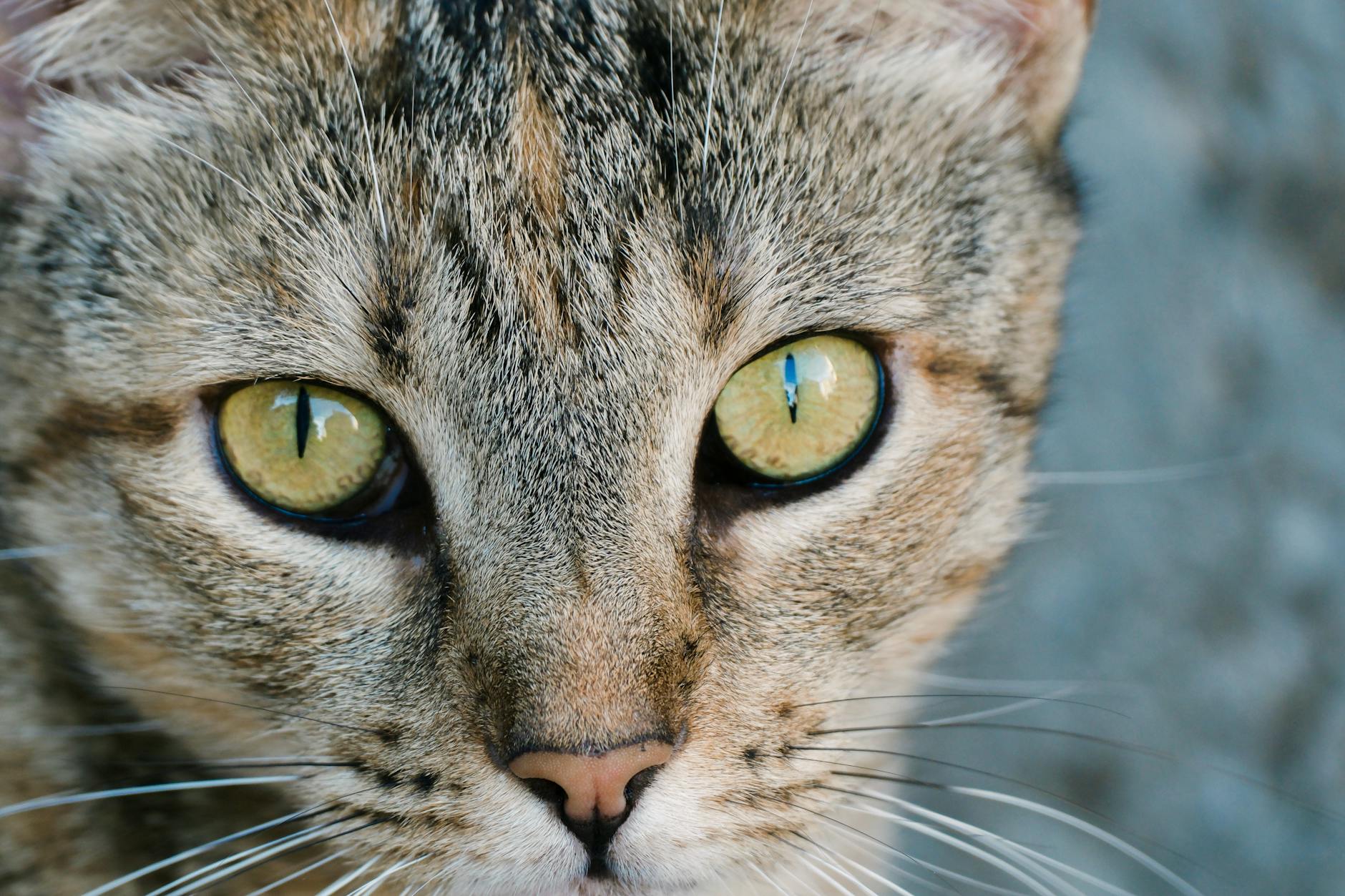
For cat owners who want greenery without risk, numerous non-toxic options exist. Spider plants are nearly indestructible, cat-safe, and actually produce offspring that cats often enjoy batting around. Boston ferns, African violets, and Christmas cactuses are all safe and provide visual interest.
For those wanting a trailing plant, pothos and philodendrons are popular, but since philodendrons are toxic, a cat-safe alternative is the spider plant or certain types of ivy (though some ivies can cause mild issues, so research specific varieties). Cat grass and wheatgrass grow quickly and are specifically marketed for cats, offering them a healthy outlet for their plant-chewing urges while providing roughage that aids digestion. One advantage of selecting non-toxic plants is peace of mind—an owner doesn’t need to worry about monitoring access or worrying if the cat nibbles a leaf. This makes spaces like home offices or bedrooms more relaxing to share with a cat.
Building Long-Term Plant Safety Habits
Creating a cat-safe home with plants is an ongoing commitment rather than a one-time effort. New plant purchases should always be researched before bringing them into the house, and guests who bring plants as gifts should be briefed on which plants are unsafe. As cats age or new cats join the household, the safety calculus may shift—a young, active cat with high plant-chewing behavior requires stricter plant restrictions than an older, less interested cat.
Looking forward, more cat owners are becoming aware of houseplant toxicity and are choosing to start with non-toxic plant lists from the beginning. This shift means that plant nurseries and online retailers increasingly carry detailed toxicity information, making it easier for consumers to make informed choices. Additionally, environmental enrichment specialists continue to emphasize that cat grass and species-appropriate play with toys offer more behavioral benefits than allowing a cat to chew houseplants, reinforcing the idea that removing toxic plants is protective rather than restrictive.
Conclusion
Most common houseplants pose genuine risks to cats, with some varieties—particularly lilies, dieffenbachia, oleander, and sago palm—capable of causing severe or fatal poisoning even in small amounts. Cat owners must take plant safety seriously, recognizing that their cats’ natural curiosity and chewing behavior put them at risk if toxic plants are present in the home.
The best path forward is a combination of removing the most dangerous plants entirely, elevating or isolating remaining plants, and providing cat-safe alternatives like cat grass and non-toxic houseplants. By taking these preventative steps, cat owners can enjoy a green home while protecting their pets from accidental poisoning. When in doubt, choosing non-toxic plants or consulting the ASPCA’s plant toxicity database eliminates the guesswork and gives owners the peace of mind they need.
Frequently Asked Questions
Is my spider plant safe for my cat?
Yes, spider plants are safe for cats to eat. They’re actually one of the most cat-safe houseplants available. Some cats are attracted to them, but the plant won’t cause harm if nibbled.
How much of a toxic plant does a cat need to eat to get poisoned?
It depends on the plant. Some lilies can cause kidney damage from just a few leaves or even pollen exposure, while other plants require larger ingestions. Always treat any ingestion of a known toxic plant as potentially serious and contact a veterinarian immediately.
Can I save a cat that ate lilies?
If treated within 18 hours of ingestion, aggressive veterinary care including IV fluids and kidney function monitoring can sometimes prevent or reduce kidney damage. However, treatment is not always successful, which is why prevention through plant removal is critical.
Are all plants in the lily family toxic to cats?
No, not all plants with “lily” in the name are toxic. For example, peace lilies and calla lilies are less toxic than true lilies. However, true lilies (Easter, tiger, and Asiatic varieties) are extremely dangerous and should never be brought into a home with cats.
What should I do if my cat chewed on a houseplant and seems fine?
Contact a veterinarian or Poison Control Center to confirm the plant species and get professional guidance. Some poisonings have delayed symptoms, so a cat that appears fine may still be at risk. Don’t wait for symptoms to develop if there’s any chance the plant was toxic.
Can cats get sick from touching or rubbing against plants?
Most plant toxins in houseplants affect cats through ingestion (eating), not through skin contact. However, some plants may cause mild skin irritation if a cat rubs against them repeatedly. Ingestion remains the primary concern.