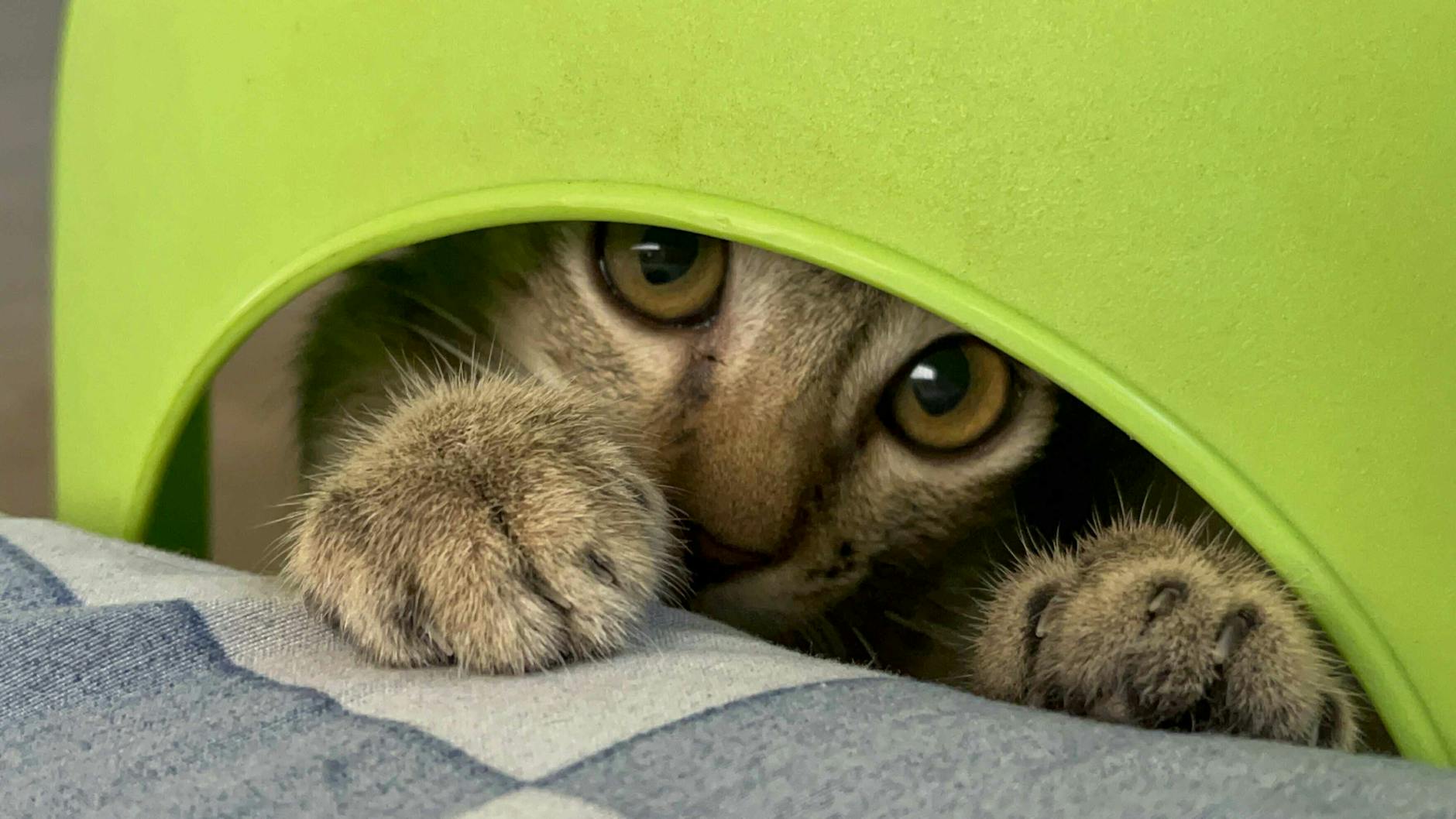
Generally, raw vegetables are safe for cats to eat in small amounts, but most cats have little nutritional need for them and may show little interest. Unlike dogs, cats are obligate carnivores, meaning their digestive systems are optimized for meat-based diets rather than plant matter. While a small piece of raw carrot or cucumber won’t harm your cat, these vegetables provide minimal nutritional benefit and shouldn’t become a regular part of their diet.
The safety of raw vegetables for cats depends largely on the specific vegetable and the amount consumed. Some vegetables are completely safe, others are mildly dangerous, and a few are genuinely toxic to cats. For example, a small piece of raw broccoli is harmless, but onions and garlic—even in raw form—can damage your cat’s red blood cells and should never be offered. Since cats have different dietary requirements than humans, what’s healthy for us isn’t automatically healthy for them.
Table of Contents
- Which Raw Vegetables Are Actually Safe for Cats?
- Raw Vegetables to Avoid or Never Give to Cats
- How Cats’ Digestive Systems Handle Plant Matter
- Raw vs. Cooked Vegetables for Cats
- Risks Associated with Raw Vegetables for Cats
- Signs Your Cat May Have Eaten Something Unsafe
- What to Feed Your Cat Instead
- Conclusion
- Frequently Asked Questions
Which Raw Vegetables Are Actually Safe for Cats?
Several raw vegetables are completely safe for cats, though few cats will voluntarily eat them. Carrots, pumpkin, cucumbers, and green beans can be offered in small pieces without concern. Carrots specifically can even provide a minor benefit, as the act of chewing raw carrots may help reduce plaque buildup on teeth, similar to how a cat might gnaw on a bone in the wild. However, your cat must already enjoy the vegetable for it to offer any benefit—forcing a cat to eat vegetables it dislikes defeats the purpose.
Some vegetables are safe but should be offered rarely or in very limited amounts. Spinach, for instance, is fine in tiny quantities but contains oxalates that could be problematic if consumed in large amounts regularly, particularly for cats with kidney issues or a history of urinary blockages. Corn kernels are technically safe, but they offer no nutritional value to cats and may pose a choking hazard if not cut into small pieces. The key principle: just because a vegetable is safe doesn’t mean it’s beneficial or that your cat needs it.
Raw Vegetables to Avoid or Never Give to Cats
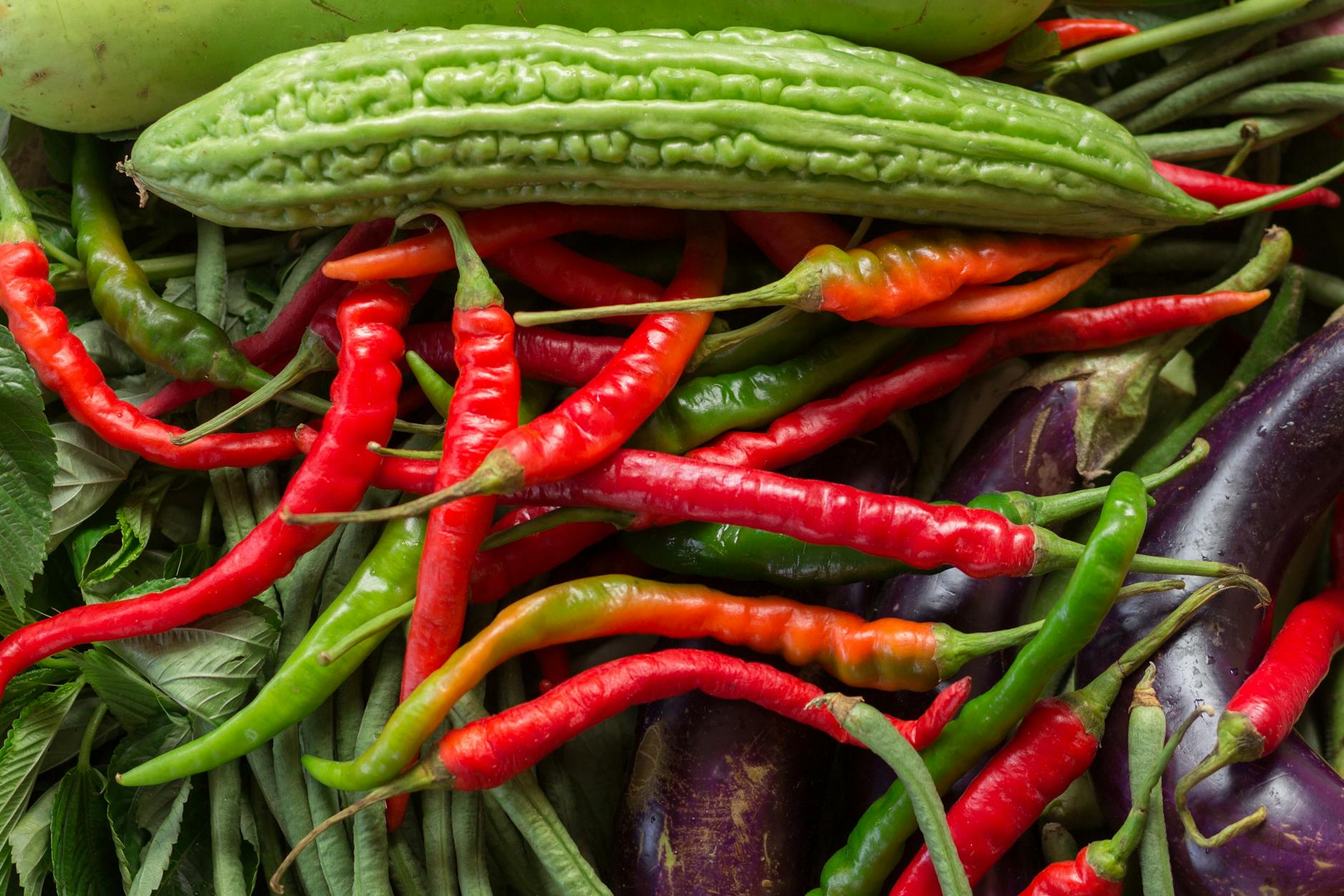
Certain vegetables are toxic to cats and should never be offered, whether raw or cooked. Onions and garlic contain thiosulfates that damage cats’ red blood cells and can cause hemolytic anemia, a serious and potentially life-threatening condition. Even small amounts of raw garlic or onion can be harmful, and some cats have been poisoned by consuming human food accidentally seasoned with garlic or onion powder. Avocado is another absolute no—it contains persin, a toxin that causes vomiting and diarrhea in cats, though it’s less dangerous than it is for dogs.
Tomatoes present a unique risk: the green parts and unripe tomatoes contain solanine, a toxic alkaloid, but fully ripe tomato flesh in small amounts is generally safe. However, the risk of accidental poisoning makes raw tomatoes an unnecessary food to offer. Grapes and raisins are also dangerous; they can cause sudden kidney failure in cats, and the mechanism isn’t fully understood—meaning there’s no safe threshold. If your cat accidentally eats a raw vegetable, identify what it was and monitor for symptoms like vomiting, diarrhea, or lethargy over the next 24-48 hours.
How Cats’ Digestive Systems Handle Plant Matter
A cat’s digestive system evolved to process meat efficiently, not vegetables. Cats lack certain enzymes that other animals produce to break down complex plant fibers, and they have shorter digestive tracts than herbivores or omnivores. When a cat eats raw vegetables, most of the nutrients pass through largely undigested, meaning your cat gets little nutritional benefit from the vegetable itself. This is fundamentally different from feeding a dog table scraps—a dog’s digestive system is much better equipped to extract value from plant-based foods.
Cats also lack taste receptors for sweetness, which explains why most cats are indifferent to vegetables. While some cats may chew on a piece of carrot or nibble grass out of curiosity or texture preference, they’re not seeking the vegetable for taste. If your cat is interested in raw vegetables, it’s typically curiosity or the texture that’s appealing, not the flavor. Some cats enjoy the crunch of raw carrots simply for oral stimulation, similar to how they might chew on grass.

Raw vs. Cooked Vegetables for Cats
Raw vegetables are slightly more nutritious than cooked versions since cooking can destroy certain vitamins, but this distinction has minimal practical significance for cats since they derive so little nutritional value from vegetables regardless of preparation method. The real advantage of cooked vegetables is reduced choking risk and easier digestion—if you’re going to offer vegetables, steaming and finely chopping them makes them less likely to cause digestive upset. Cooked vegetables are also softer, which suits senior cats with dental issues better.
The tradeoff is that cats are generally more interested in raw vegetables than cooked ones, purely from a texture perspective. If your cat enjoys the crunch of a raw carrot piece, there’s no compelling reason to cook it, provided it’s cut small enough to prevent choking. However, many vets recommend avoiding both raw and cooked vegetables as regular treats, since they can contribute to digestive upset if offered too frequently and they’re simply not part of a cat’s natural diet. The safest approach is to limit vegetables to occasional exploration rather than regular treats.
Risks Associated with Raw Vegetables for Cats
One overlooked risk is contamination. Raw vegetables can carry bacteria like E. coli or Salmonella, which don’t typically bother humans with intact immune systems but can cause serious illness in cats, particularly kittens or elderly cats with compromised immunity. Washing vegetables thoroughly before offering them to your cat reduces this risk significantly.
Another risk is choking or intestinal blockage, especially with stringy vegetables like celery or large pieces of anything hard. Cats are natural hunters and swallowers, not chewers like dogs, so they’re more likely to attempt swallowing vegetables whole or in large pieces. Some cats may develop diarrhea or gastrointestinal upset from raw vegetables, particularly if they’re not accustomed to plant matter. A cat’s gut bacteria are optimized for a meat-based diet, and introducing unfamiliar foods can disrupt digestion. If your cat occasionally eats a small amount of raw vegetable accidentally, this is usually nothing to worry about, but making vegetables a regular treat introduces unnecessary digestive risk without offsetting nutritional benefit.
Signs Your Cat May Have Eaten Something Unsafe
If your cat accidentally consumes a toxic vegetable, watch for symptoms including vomiting, diarrhea, loss of appetite, lethargy, or pale gums. In the case of onion or garlic toxicity, symptoms may be delayed by a day or two, so monitor even if your cat seems fine immediately after eating. For grape or raisin ingestion, watch for decreased appetite and lethargy, which can indicate kidney damage.
If your cat shows any of these signs after consuming a raw vegetable, contact your veterinarian immediately with information about what the cat ate and when. Keep a record of any vegetables in your home so you can quickly identify what your cat may have eaten in case of accidental ingestion. Pregnant cats or cats with underlying kidney, urinary, or digestive issues should avoid vegetables entirely, as their systems are more sensitive to nutritional disruptions.
What to Feed Your Cat Instead
If you’re looking to provide enrichment or treats for your cat, meat-based options are far more aligned with feline nutrition. Commercial cat treats made from real meat, freeze-dried chicken, or fish provide both palatability and appropriate nutrition. For interactive feeding or enrichment, puzzle feeders filled with their regular cat food, or occasional small pieces of cooked chicken breast, provide mental stimulation without the risks of raw vegetables.
These alternatives are especially valuable for indoor cats that lack the hunting opportunities of outdoor cats. If your cat shows unusual interest in chewing on plants or vegetables, this sometimes indicates a mineral deficiency or other nutritional gap. In such cases, consulting your veterinarian about your cat’s current diet is worthwhile rather than attempting to supplement with vegetables.
Conclusion
Raw vegetables are generally safe for cats to eat in small amounts, but they offer minimal nutritional benefit and most cats show little genuine interest. The safest approach is to view raw vegetables as occasional exploration items rather than treats or dietary supplements. Focus on ensuring your cat’s primary diet consists of high-quality, meat-based cat food formulated to meet their specific nutritional needs.
If your cat has accidentally eaten a raw vegetable, monitor for any signs of digestive upset or toxicity, and contact your veterinarian if symptoms develop. For planned supplementation or treat options, consult your vet about meat-based alternatives that align better with your cat’s obligate carnivore physiology. Your cat’s health is best served by a diet tailored to their species-specific needs rather than foods that satisfy human dietary principles.
Frequently Asked Questions
Can cats eat raw carrots?
Yes, raw carrots are safe for cats in small pieces. Some cats enjoy the crunch, and the act of chewing raw carrots may provide minor dental benefits by reducing plaque buildup. However, they offer minimal nutritional value and most cats show little interest.
Is raw broccoli safe for cats?
Raw broccoli is safe for cats in very small amounts, though it’s rare for cats to voluntarily eat it. Large quantities could cause digestive upset, but small pieces occasionally won’t harm your cat.
Can cats eat raw onions?
No, absolutely not. Raw onions contain thiosulfates that damage cats’ red blood cells and can cause hemolytic anemia. Even small amounts can be toxic, and your cat should never be offered onions in any form.
What should I do if my cat eats a raw vegetable?
Monitor your cat for 24-48 hours for signs of vomiting, diarrhea, lethargy, or loss of appetite. If your cat ate a toxic vegetable like onion, garlic, or grapes, contact your veterinarian immediately. For safe vegetables like carrots or cucumber, observation is usually sufficient unless symptoms develop.
Why doesn’t my cat like vegetables?
Cats lack taste receptors for sweetness and are obligate carnivores, so they have no evolutionary drive to eat plants. Their digestive systems are optimized for meat, and they lack enzymes to efficiently process plant matter. If a cat shows interest in vegetables, it’s usually texture or curiosity, not taste preference.
Are cooked vegetables safer than raw vegetables for cats?
Cooked vegetables are slightly safer due to reduced choking risk and softer texture, but raw vegetables are also safe as long as they’re cut small and come from the safe vegetable list. Raw vegetables offer marginally more vitamins but the difference is nutritionally insignificant for cats.