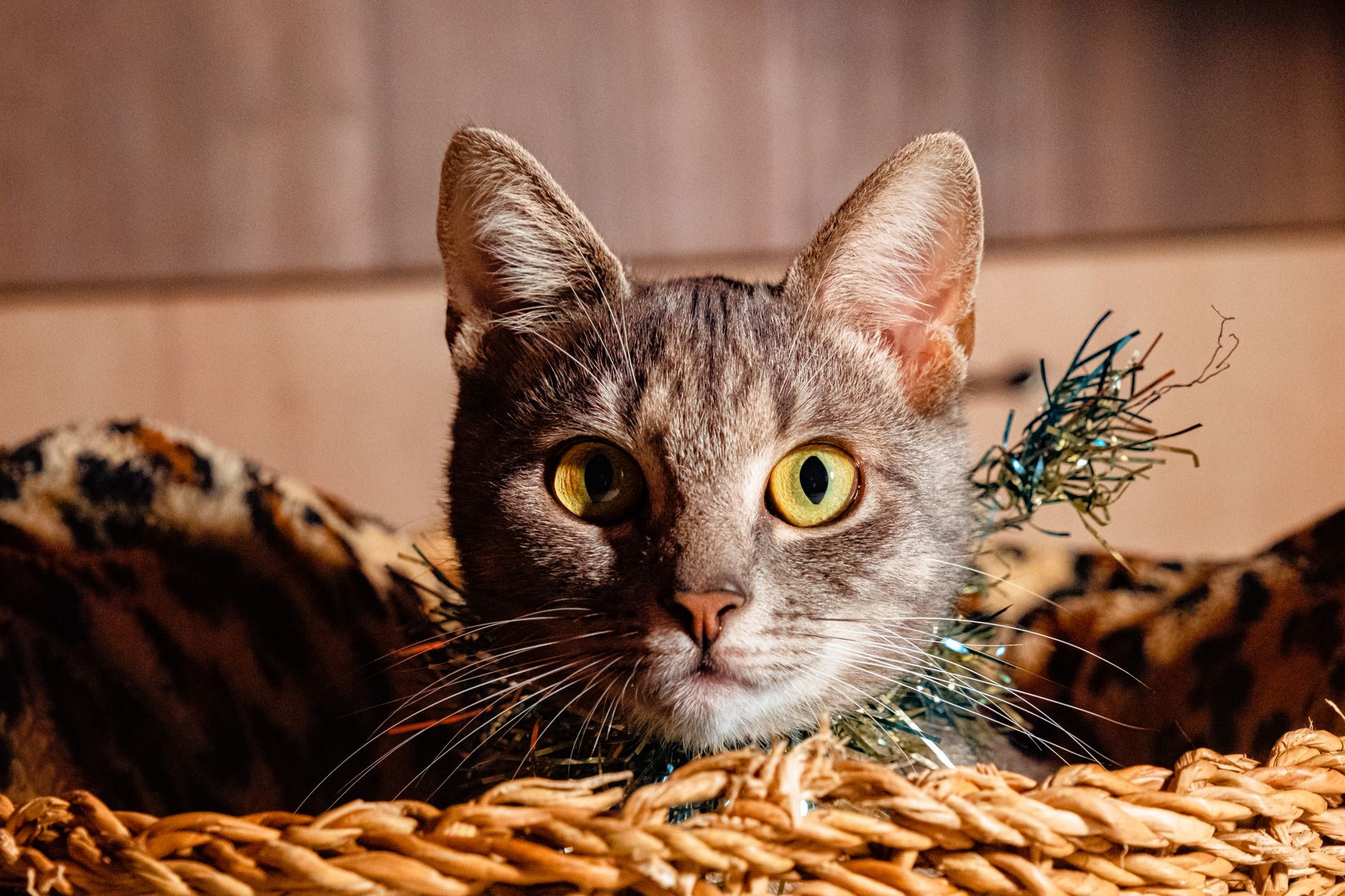
No, plastic bags are not safe for cats to play with, and they pose several serious health risks that every cat owner should understand. Cats are naturally curious animals, and the crinkly sound and texture of plastic bags appeal to their hunting instincts—but this attraction can quickly turn dangerous. A cat playing with a plastic bag can easily swallow pieces of plastic, become entangled, or suffocate if the bag covers their nose and mouth.
The risks extend beyond obvious choking hazards. A cat in your kitchen might grab a grocery bag left on the counter, and within moments, the situation escalates from innocent play to a medical emergency. Veterinary clinics regularly treat cats for plastic bag-related injuries, including intestinal blockages that require surgery, suffocation incidents, and entanglement injuries that restrict blood flow to limbs.
Table of Contents
- Why Are Plastic Bags Attractive and Dangerous to Cats?
- Intestinal Blockage—The Most Common Serious Outcome
- Entanglement and Asphyxiation Risks
- Safer Alternatives for Enrichment and Play
- Recognizing Signs of Plastic Ingestion
- Store Plastic Bags Securely Away from Cats
- The Difference Between Curiosity and Pica
Why Are Plastic Bags Attractive and Dangerous to Cats?
Cats are drawn to plastic bags for the same reasons they’re drawn to other play objects: movement, sound, and texture. The crinkling noise stimulates their predatory instincts, while the thin, easily manipulated material feels responsive under their paws and teeth. This sensory appeal is particularly strong in young cats and kittens who are still learning to distinguish between safe toys and household hazards. The danger lies in the bag’s properties.
Unlike a proper cat toy designed with safety in mind, plastic is not digestible and can break into fragments. A cat chewing on a bag can ingest sharp plastic pieces that perforate the stomach or intestines. Additionally, plastic bags often carry residue from foods like butter, oil, or salt, which may encourage a cat to consume more of the material. If a cat manages to wrap a bag around its head or neck during play, the risk of suffocation becomes immediate and life-threatening.
Intestinal Blockage—The Most Common Serious Outcome
Intestinal blockage from plastic ingestion is one of the leading reasons cats require emergency surgery. Unlike some objects that pass through a cat’s digestive system, plastic tends to accumulate and become lodged, particularly in the small intestine where it cannot break down. A cat may seem fine for hours or even a day or two, then suddenly show signs of distress: vomiting, loss of appetite, lethargy, and abdominal pain.
The limitation here is that early-stage blockages can be difficult to detect without imaging. Your veterinarian may need to perform ultrasound or X-rays, and surgery is often the only treatment option. The cost of emergency surgery for a plastic blockage can exceed $2,000 to $5,000, and even with intervention, complications like perforation or infection can be life-threatening. Prevention is far simpler and safer than attempting to treat the problem after it occurs.
Entanglement and Asphyxiation Risks
Plastic bags can wrap around a cat’s head, neck, or body, creating an immediate choking or asphyxiation hazard. This risk is especially acute with bags that have handles—a cat’s paw or head can slip through a handle, and as the cat panics and struggles, the plastic tightens. Thin grocery bags are particularly problematic because they can conform to the cat’s face and restrict airflow within seconds.
A real-world example: a cat playing with a plastic bag in the bedroom may wrap the bag around its head while the owner is in another room. The cat thrashes in panic, unable to free itself, and by the time the owner discovers the situation, the cat may be unconscious from oxygen deprivation. Even brief asphyxiation can cause permanent brain damage. These situations underscore why storing plastic bags in a secure, cat-inaccessible location is not optional—it’s essential to your cat’s safety.
Safer Alternatives for Enrichment and Play
Instead of allowing unsupervised access to plastic bags, provide cats with enrichment objects designed for safety. Crinkly toys made from food-grade materials, paper bags (with handles removed), or cardboard boxes offer similar sensory stimulation without the toxicity risk. Many cats enjoy the sound of crinkled paper, which mimics the appeal of plastic bags but is digestible and safer if accidentally ingested.
Interactive play with toys on a string or wand, feather toys, and balls designed for cats provide the same outlet for hunting instincts that plastic bags appeal to. The tradeoff is that these alternatives require your active participation or regular rotation to maintain novelty, whereas a plastic bag requires no effort—but that effort investment directly protects your cat’s health. Supervised play with a paper bag that has been prepared safely (handles removed, monitored the entire time) is possible, but unsupervised access to any plastic bag should be eliminated.
Recognizing Signs of Plastic Ingestion
If your cat has chewed or swallowed plastic, watch for warning signs over the next several days: repeated vomiting, lack of appetite, lethargy, constipation followed by diarrhea, or straining in the litter box. Abdominal distension or visible pain when you gently touch the belly are also red flags. The limitation in detecting this problem is that some cats show no obvious symptoms for 24 to 48 hours, by which point the blockage may have worsened.
If you witness your cat swallowing plastic or if plastic is visibly hanging from the cat’s mouth, do not attempt to pull it out—this can cause internal injury. Contact your veterinarian or an emergency vet clinic immediately. Provide them with details about the type and amount of plastic, as this information helps guide imaging and treatment decisions.
Store Plastic Bags Securely Away from Cats
The most straightforward prevention strategy is to eliminate your cat’s access to plastic bags entirely. Store grocery bags in a drawer, cabinet, or closet that your cat cannot access. Bring shopping bags inside and immediately place them in a designated storage area rather than leaving them on counters or floors where curious cats can investigate.
Many cat owners find that a plastic storage bin or a hanging organizer in a closet works well for storing bags. If you use plastic bags as trash liners, keep the trash can in a closed cabinet or room. Some households use paper bags instead for this reason, eliminating the plastic exposure altogether while still maintaining a practical storage solution.
The Difference Between Curiosity and Pica
Some cats develop an obsessive interest in chewing or eating non-food items, a condition called pica. Cats with pica may specifically seek out plastic bags, fabric, rubber, or other materials compulsively.
This behavior differs from simple curiosity and may indicate an underlying medical issue, nutritional deficiency, or behavioral problem that requires veterinary evaluation. If your cat repeatedly attempts to eat plastic despite your prevention efforts, discuss pica with your veterinarian—treatment may involve dietary changes, environmental modifications, or behavioral intervention, but it should not involve allowing the cat access to the problematic material.
- —